
Experiencing a pulsing brake pedal or steering wheel oscillation less than six months after a comprehensive brake service is a technical frustration that often leads to a breakdown in trust between a driver and their mechanic. However, from an engineering perspective, the term "warped" is frequently a misnomer for a much more complex phenomenon known as Disc Thickness Variation (DTV). While metallurgy plays a role, premature rotor failure is rarely about the quality of the iron and almost always about the precision of the auto repair process. True automotive professionals recognize that the interface between the rotor and the wheel hub is a high-precision environment where even a microscopic misalignment can lead to systemic failure within a few thousand miles.
The Hub-to-Rotor Interface Must Be Clinically Clean
The primary catalyst for premature DTV is lateral runout, which is often introduced during the installation phase. When a rotor is placed onto a wheel hub that hasn’t been properly prepared, any remnant of rust, scale, or debris acts as a shim. A piece of rust only 0.002 inches thick at the hub can translate to 0.005 inches of runout at the outer edge of the rotor. This creates a "wobble" that causes the brake pads to make intermittent contact with the rotor even when the pedal isn’t depressed. Over time, this constant, uneven friction creates thin spots in the rotor, leading to the dreaded pulsation. Utilizing a thorough hub scrub technique is the only professional standard to prevent this mechanical deviation. Neglecting this step is one of the most common auto repair oversights in high-volume shops.
How Much Lateral Runout Is Too Much for Modern Hubs?
In the era of lightweight, high-efficiency vehicle design, tolerances have tightened significantly. While older vehicles might have tolerated 0.003 to 0.005 inches of lateral runout, many modern manufacturers specify a maximum of 0.002 inches. Exceeding this limit ensures that the rotor will develop DTV as the pad "kisses" the high spot of the rotor during every rotation. Professional technicians use a dial indicator to measure this runout precisely. If the runout is out of spec, the mechanic must either clean the hub further or use specialized shim kits to bring the rotor back into true alignment. If you are noticing early signs of vibration, it is critical to consult advanced brake service strategies to correct the runout before the rotor is permanently damaged.
Cementite Formation Marks the Point of No Return
When rotors are subjected to extreme heat due to sticking calipers or improper bedding, the metallurgy of the cast iron can actually change. According to technical standards established by SAE International, localized "hot spots" can reach temperatures where the iron converts into cementite—an incredibly hard, brittle, and poor-heat-conducting carbide. Once cementite forms, it cannot be "turned" or machined off effectively because it is harder than the surrounding metal. The result is a permanent hard spot that will always cause a vibration. This is why a proper tune up of the entire braking system, including the calipers and slides, is just as important as the rotors themselves. Ensuring you have a skilled mechanic you can trust is the best defense against these thermal management failures. If your vehicle is currently vibrating under load, read our guide on when to seek immediate brake service to prevent damage to your suspension and steering rack.
Beyond the rotor surface, the mechanical integrity of the caliper housing itself dictates the longevity of any brake service. If the caliper slide pins are seized or restricted by old, dried-out lubricant, the brake assembly cannot float as intended. This mechanical failure causes the inboard pad to remain in constant contact with the rotor, generating localized heat that accelerates the Disc Thickness Variation process. In many cases, the simple move that fixes a sticky brake caliper is as easy as a thorough cleaning and the application of high-temperature silicone-based lubricant. Using petroleum-based grease is a common rookie mistake that causes rubber bushings to swell and seize the pins entirely, leading to a permanent pull during deceleration.
Stop Ignoring the Brake Fluid’s Boiling Point
Hydraulic health is the next frontier in professional vehicle maintenance. Brake fluid is naturally hygroscopic, meaning it actively absorbs moisture from the atmosphere through microscopic pores in hoses and the reservoir cap. Over time, this water content significantly lowers the boiling point of the fluid, which can lead to vapor lock—a terrifying condition where the fluid turns to gas and the pedal goes to the floor during heavy braking. Furthermore, moisture inside the lines causes internal corrosion of the expensive ABS modulator and calipers. According to technical data from the National Highway Traffic Safety Administration (NHTSA), brake system failure is a recurring factor in mechanical-related crashes, often exacerbated by degraded fluid and compromised hydraulic integrity. Savvy owners should learn how to test your brake fluid for water content at home using electronic testers to avoid catastrophic internal failures.
Why Does My New Brake Job Feel Spongy After Only One Week?
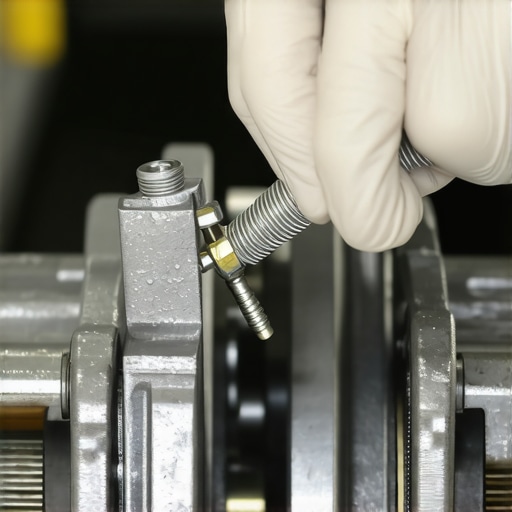
When a driver experiences a soft or spongy pedal immediately following a repair, the culprit is typically trapped air or mechanical flex rather than a faulty part. If the system was not bled in the correct sequence—or if the mechanic failed to account for the vehicle’s specific ABS bleed procedure—pockets of air will compress under pressure, preventing firm pad engagement. However, if the pedal feel degrades over several days, you may be dealing with a failing flexible brake hose that is expanding under pressure. You can learn more about how to stop your brakes from sponging after a long drive by inspecting the integrity of these rubber lines. Additionally, many technicians skip the essential bedding-in process, which is required to transfer a thin layer of friction material from the pad to the rotor. Without this transfer layer, you might encounter annoying harmonics; fortunately, there is a simple trick to stopping brake squeal on brand new pads that involves a series of controlled heat cycles. If you have recently noticed a change in your pedal pressure or stopping distance, share your experience in the comments below so our community of experts can help you troubleshoot the issue before your next auto repair visit.
The Thermodynamics of High-Speed Deceleration
The physics of a braking event are staggering, as the system must convert the vehicle’s kinetic energy into thermal energy almost instantaneously. A standard passenger vehicle can generate enough heat during a panic stop to reach temperatures that would melt certain lead alloys. This heat must be dissipated through the rotor’s internal cooling vanes. If these vanes are clogged with road debris or excessive rust scale, the rotor’s ability to shed heat is compromised, leading directly to the cementite formation that ruins braking smoothness. This is why a high-quality tune up of the braking system requires a holistic cleaning of the entire corner assembly. Even the wheel torque matters; unevenly torqued lug nuts can distort a thin-hat rotor, creating the very runout that leads to long-term vibration. Professional shops always use a calibrated torque wrench rather than an impact gun to ensure the rotor sits perfectly flat against the hub.
Pick the Right Friction Material for Your Daily Grind
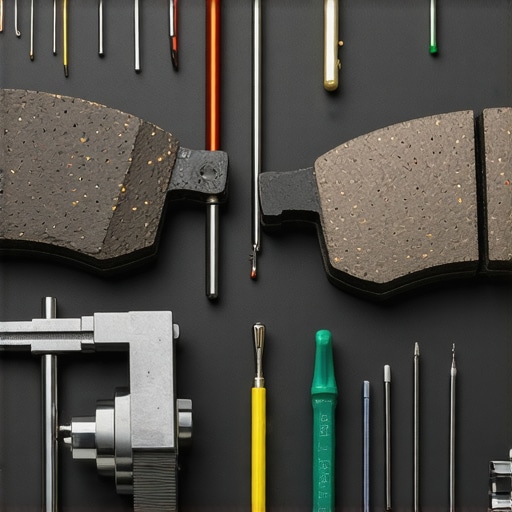
Choosing between ceramic, semi-metallic, and Non-Asbestos Organic (NAO) compounds isn’t just about price; it is about matching the friction coefficient to your vehicle’s weight and heat-cycle frequency. For instance, high-performance semi-metallic pads utilize a matrix of steel, iron, and copper fibers to facilitate rapid heat transfer away from the rotor surface. While these offer superior ‘bite’ in aggressive driving, they are significantly noisier and produce more abrasive dust. Conversely, ceramic pads—once the gold standard for luxury—rely on dense ceramic fillers and copper fibers. According to the Friction Materials Standards Institute (FMSI), the industry has transitioned toward low-copper or copper-free formulations to comply with environmental regulations like the ‘Better Brakes Law,’ which mandates less than 0.5% copper by weight. This shift has forced a massive evolution in how a modern mechanic approaches a brake service, as newer copper-free pads often require more precise bedding to establish an effective transfer layer.
Why EVs and Hybrids Suffer from Brake Under-Use
In the world of auto repair, we are seeing a paradoxical trend: electric and hybrid vehicles needing brake work not because the pads are worn, but because they aren’t being used enough. Regenerative braking handles the majority of deceleration, meaning the mechanical calipers often sit idle for weeks at a time. This lack of movement allows moisture to settle in the slide pins and surface rust to pit the rotors. When the driver finally does need to perform an emergency stop, the system may be compromised by ‘shelf-life’ degradation rather than friction wear. To combat this, a specialized tune up for an EV involves manually cycling the calipers and applying high-adhesion synthetic lubricants that resist wash-off better than traditional greases. If you drive a Tesla or a hybrid, perform a few ‘firm’ stops in a safe area once a week to scrub the rotors and keep the pistons moving freely.
Does a Lifetime Warranty on Pads Mean They Never Wear Out?
This is one of the most misunderstood marketing terms in the auto repair industry. A lifetime warranty typically covers the manufacturer’s defects or the premature wear of the pad material itself, but it does not cover the labor for the brake service or the damage caused to the rotors if the pads fail. Sophisticated drivers know that a pad that ‘never wears out’ is likely harder than the rotor it grips, effectively turning your expensive rotors into the sacrificial wear item. High-quality friction material is designed to wear down; it is the physical manifestation of the energy conversion process. Choosing a pad based solely on longevity often results in poor stopping distances and increased NVH (Noise, Vibration, and Harshness) levels. For a deeper look at what components actually matter, check out why premium brake pads cost more and how they protect your investment.
Stop Reusing Worn-Out Hardware
A common mistake during a DIY or low-budget brake service is the reuse of old anti-rattle clips and return springs. These components are made of spring steel that loses its tension over thousands of heat cycles. When the tension is gone, the pads can tilt slightly in the bracket, leading to ‘tapered wear’ where one end of the pad is significantly thinner than the other. This misalignment reduces the effective surface area of the friction material and can cause a rhythmic clicking sound during low-speed braking. Replacing this hardware is a non-negotiable step in any professional auto repair. If you’ve recently had your brakes done and hear a strange clicking, it might be time to inspect the clips; you can learn more about the brake hardware checklist for pro results to ensure your system is operating at peak efficiency. Beyond the hardware, the integrity of the hydraulic lines must also be considered as the system ages, particularly the rubber-to-steel junctions that face the most environmental stress.
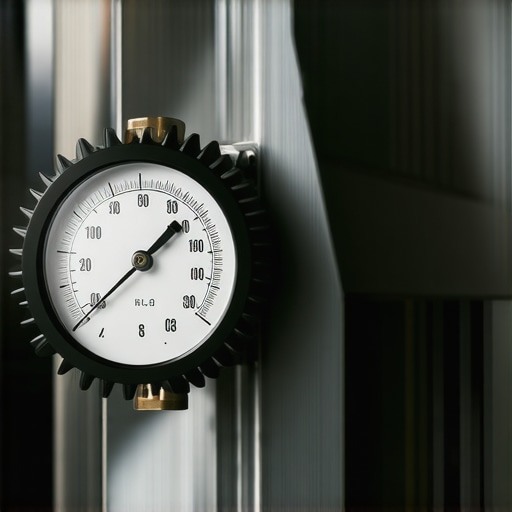
Beyond the obvious components, the architectural integrity of the entire wheel end assembly often dictates the success of an auto repair. Even if the rotors and pads are brand new, excessive axial play in the wheel bearing can introduce a phenomenon known as “pad knockback.” This occurs when a worn hub assembly allows the rotor to tilt slightly during cornering, physically pushing the brake pads away from the rotor surface. When the driver next applies the brake service, the first inch of pedal travel is wasted simply moving the pads back into contact with the disc. This leads to an inconsistent pedal height that many drivers mistake for a failing master cylinder or air in the hydraulic lines. A mechanic who fails to check the hub’s bearing tolerance with a dial indicator is only performing half a repair.
How Sloppy Wheel Bearings Sabotage a Firm Pedal
Identifying knockback requires a nuanced understanding of vehicle dynamics. If you notice that your brake pedal is firm while driving in a straight line but becomes “long” or “soft” immediately after a series of sharp turns, you are likely experiencing hub-related deflection. This is a common issue on track-oriented cars and heavy SUVs where the lateral loads are immense. Correcting this doesn’t just involve replacing the bearing; it requires inspecting the spindle for wear that could allow the new bearing to sit slightly off-axis. For those looking to master their vehicle’s maintenance, understanding how to diagnose wheel bearing noise before it gets dangerous is a prerequisite for any advanced tune up. Neglecting this interplay often results in a “parts cannon” approach where owners replace calipers and master cylinders unnecessarily.
Can Worn Suspension Bushings Mimic Brake Pulsation?
The sensation of “warped” rotors is frequently a secondary symptom of degraded control arm bushings. When the rubber in these bushings softens or tears, it can no longer effectively dampen the natural oscillations that occur during friction events. A minor, within-spec rotor variation that would normally be undetectable is suddenly amplified through the steering rack, leading the driver to believe their brake service was faulty. This is particularly prevalent in multi-link front suspensions where the tension strut bushing bears the brunt of the braking force. Before authorizing a rotor replacement, a skilled mechanic should perform a “pry bar test” on the suspension components to ensure the vehicle’s geometry remains stable under load. You can explore more about the connection between suspension wear and brake vibration to avoid misdiagnosing your next auto repair.
Thermal Fatigue Cracking vs. Superficial Heat Checking
As rotors endure thousands of heat cycles, the surface metallurgy undergoes significant stress. It is vital to distinguish between harmless “heat checking”—fine, hairline cracks on the rotor face—and structural thermal fatigue cracking. According to technical data from the Brembo Technical Portal, thermal cracks that extend to the outer edge of the disc or connect between cooling vanes are clear indicators of structural compromise. These cracks are often the result of “thermal shock,” which occurs when a driver subjects cold brakes to extreme loads without a gradual warm-up. This is why a professional tune up of a performance braking system includes an inspection of the cooling ducts to ensure airflow isn’t restricted by road grime or aftermarket modifications. If you see cracks that you can catch a fingernail on, your rotors have reached the end of their service life, regardless of their thickness. Is your pedal travel inconsistent even after a professional bleed? Contact a diagnostic specialist to measure your hub’s axial play before replacing more parts.
Experiencing a pulsing brake pedal or steering wheel oscillation less than six months after a comprehensive brake service is a technical frustration that often leads to a breakdown in trust between a driver and their mechanic. However, from an engineering perspective, the term "warped" is frequently a misnomer for a much more complex phenomenon known as Disc Thickness Variation (DTV). While metallurgy plays a role, premature rotor failure is rarely about the quality of the iron and almost always about the precision of the auto repair process. True automotive professionals recognize that the interface between the rotor and the wheel hub is a high-precision environment where even a microscopic misalignment can lead to systemic failure within a few thousand miles.
The Hub-to-Rotor Interface Must Be Clinically Clean
The primary catalyst for premature DTV is lateral runout, which is often introduced during the installation phase. When a rotor is placed onto a wheel hub that hasn’t been properly prepared, any remnant of rust, scale, or debris acts as a shim. A piece of rust only 0.002 inches thick at the hub can translate to 0.005 inches of runout at the outer edge of the rotor. This creates a "wobble" that causes the brake pads to make intermittent contact with the rotor even when the pedal isn’t depressed. Over time, this constant, uneven friction creates thin spots in the rotor, leading to the dreaded pulsation. Utilizing a thorough hub scrub technique is the only professional standard to prevent this mechanical deviation. Neglecting this step is one of the most common auto repair oversights in high-volume shops.
How Much Lateral Runout Is Too Much for Modern Hubs?
In the era of lightweight, high-efficiency vehicle design, tolerances have tightened significantly. While older vehicles might have tolerated 0.003 to 0.005 inches of lateral runout, many modern manufacturers specify a maximum of 0.002 inches. Exceeding this limit ensures that the rotor will develop DTV as the pad "kisses" the high spot of the rotor during every rotation. Professional technicians use a dial indicator to measure this runout precisely. If the runout is out of spec, the mechanic must either clean the hub further or use specialized shim kits to bring the rotor back into true alignment. If you are noticing early signs of vibration, it is critical to consult advanced brake service strategies to correct the runout before the rotor is permanently damaged.
Cementite Formation Marks the Point of No Return
When rotors are subjected to extreme heat due to sticking calipers or improper bedding, the metallurgy of the cast iron can actually change. According to technical standards established by SAE International, localized "hot spots" can reach temperatures where the iron converts into cementite—an incredibly hard, brittle, and poor-heat-conducting carbide. Once cementite forms, it cannot be "turned" or machined off effectively because it is harder than the surrounding metal. The result is a permanent hard spot that will always cause a vibration. This is why a proper tune up of the entire braking system, including the calipers and slides, is just as important as the rotors themselves. Ensuring you have a skilled mechanic you can trust is the best defense against these thermal management failures. If your vehicle is currently vibrating under load, read our guide on when to seek immediate brake service to prevent damage to your suspension and steering rack.
Beyond the rotor surface, the mechanical integrity of the caliper housing itself dictates the longevity of any brake service. If the caliper slide pins are seized or restricted by old, dried-out lubricant, the brake assembly cannot float as intended. This mechanical failure causes the inboard pad to remain in constant contact with the rotor, generating localized heat that accelerates the Disc Thickness Variation process. In many cases, the simple move that fixes a sticky brake caliper is as easy as a thorough cleaning and the application of high-temperature silicone-based lubricant. Using petroleum-based grease is a common rookie mistake that causes rubber bushings to swell and seize the pins entirely, leading to a permanent pull during deceleration.
Stop Ignoring the Brake Fluid’s Boiling Point
Hydraulic health is the next frontier in professional vehicle maintenance. Brake fluid is naturally hygroscopic, meaning it actively absorbs moisture from the atmosphere through microscopic pores in hoses and the reservoir cap. Over time, this water content significantly lowers the boiling point of the fluid, which can lead to vapor lock—a terrifying condition where the fluid turns to gas and the pedal goes to the floor during heavy braking. Furthermore, moisture inside the lines causes internal corrosion of the expensive ABS modulator and calipers. According to technical data from the National Highway Traffic Safety Administration (NHTSA), brake system failure is a recurring factor in mechanical-related crashes, often exacerbated by degraded fluid and compromised hydraulic integrity. Savvy owners should learn how to test your brake fluid for water content at home using electronic testers to avoid catastrophic internal failures.
Why Does My New Brake Job Feel Spongy After Only One Week?
When a driver experiences a soft or spongy pedal immediately following a repair, the culprit is typically trapped air or mechanical flex rather than a faulty part. If the system was not bled in the correct sequence—or if the mechanic failed to account for the vehicle’s specific ABS bleed procedure—pockets of air will compress under pressure, preventing firm pad engagement. However, if the pedal feel degrades over several days, you may be dealing with a failing flexible brake hose that is expanding under pressure. You can learn more about how to stop your brakes from sponging after a long drive by inspecting the integrity of these rubber lines. Additionally, many technicians skip the essential bedding-in process, which is required to transfer a thin layer of friction material from the pad to the rotor. Without this transfer layer, you might encounter annoying harmonics; fortunately, there is a simple trick to stopping brake squeal on brand new pads that involves a series of controlled heat cycles. If you have recently noticed a change in your pedal pressure or stopping distance, share your experience in the comments below so our community of experts can help you troubleshoot the issue before your next auto repair visit.
The Thermodynamics of High-Speed Deceleration
The physics of a braking event are staggering, as the system must convert the vehicle’s kinetic energy into thermal energy almost instantaneously. A standard passenger vehicle can generate enough heat during a panic stop to reach temperatures that would melt certain lead alloys. This heat must be dissipated through the rotor’s internal cooling vanes. If these vanes are clogged with road debris or excessive rust scale, the rotor’s ability to shed heat is compromised, leading directly to the cementite formation that ruins braking smoothness. This is why a high-quality tune up of the braking system requires a holistic cleaning of the entire corner assembly. Even the wheel torque matters; unevenly torqued lug nuts can distort a thin-hat rotor, creating the very runout that leads to long-term vibration. Professional shops always use a calibrated torque wrench rather than an impact gun to ensure the rotor sits perfectly flat against the hub.
Pick the Right Friction Material for Your Daily Grind
Choosing between ceramic, semi-metallic, and Non-Asbestos Organic (NAO) compounds isn’t just about price; it is about matching the friction coefficient to your vehicle’s weight and heat-cycle frequency. For instance, high-performance semi-metallic pads utilize a matrix of steel, iron, and copper fibers to facilitate rapid heat transfer away from the rotor surface. While these offer superior ‘bite’ in aggressive driving, they are significantly noisier and produce more abrasive dust. Conversely, ceramic pads—once the gold standard for luxury—rely on dense ceramic fillers and copper fibers. According to the Friction Materials Standards Institute (FMSI), the industry has transitioned toward low-copper or copper-free formulations to comply with environmental regulations like the ‘Better Brakes Law,’ which mandates less than 0.5% copper by weight. This shift has forced a massive evolution in how a modern mechanic approaches a brake service, as newer copper-free pads often require more precise bedding to establish an effective transfer layer.
Why EVs and Hybrids Suffer from Brake Under-Use
In the world of auto repair, we are seeing a paradoxical trend: electric and hybrid vehicles needing brake work not because the pads are worn, but because they aren’t being used enough. Regenerative braking handles the majority of deceleration, meaning the mechanical calipers often sit idle for weeks at a time. This lack of movement allows moisture to settle in the slide pins and surface rust to pit the rotors. When the driver finally does need to perform an emergency stop, the system may be compromised by ‘shelf-life’ degradation rather than friction wear. To combat this, a specialized tune up for an EV involves manually cycling the calipers and applying high-adhesion synthetic lubricants that resist wash-off better than traditional greases. If you drive a Tesla or a hybrid, perform a few ‘firm’ stops in a safe area once a week to scrub the rotors and keep the pistons moving freely.
Does a Lifetime Warranty on Pads Mean They Never Wear Out?
This is one of the most misunderstood marketing terms in the auto repair industry. A lifetime warranty typically covers the manufacturer’s defects or the premature wear of the pad material itself, but it does not cover the labor for the brake service or the damage caused to the rotors if the pads fail. Sophisticated drivers know that a pad that ‘never wears out’ is likely harder than the rotor it grips, effectively turning your expensive rotors into the sacrificial wear item. High-quality friction material is designed to wear down; it is the physical manifestation of the energy conversion process. Choosing a pad based solely on longevity often results in poor stopping distances and increased NVH (Noise, Vibration, and Harshness) levels. For a deeper look at what components actually matter, check out why premium brake pads cost more and how they protect your investment.
Stop Reusing Worn-Out Hardware
A common mistake during a DIY or low-budget brake service is the reuse of old anti-rattle clips and return springs. These components are made of spring steel that loses its tension over thousands of heat cycles. When the tension is gone, the pads can tilt slightly in the bracket, leading to ‘tapered wear’ where one end of the pad is significantly thinner than the other. This misalignment reduces the effective surface area of the friction material and can cause a rhythmic clicking sound during low-speed braking. Replacing this hardware is a non-negotiable step in any professional auto repair. If you’ve recently had your brakes done and hear a strange clicking, it might be time to inspect the clips; you can learn more about the brake hardware checklist for pro results to ensure your system is operating at peak efficiency. Beyond the hardware, the integrity of the hydraulic lines must also be considered as the system ages, particularly the rubber-to-steel junctions that face the most environmental stress.
Beyond the obvious components, the architectural integrity of the entire wheel end assembly often dictates the success of an auto repair. Even if the rotors and pads are brand new, excessive axial play in the wheel bearing can introduce a phenomenon known as “pad knockback.” This occurs when a worn hub assembly allows the rotor to tilt slightly during cornering, physically pushing the brake pads away from the rotor surface. When the driver next applies the brake service, the first inch of pedal travel is wasted simply moving the pads back into contact with the disc. This leads to an inconsistent pedal height that many drivers mistake for a failing master cylinder or air in the hydraulic lines. A mechanic who fails to check the hub’s bearing tolerance with a dial indicator is only performing half a repair.
How Sloppy Wheel Bearings Sabotage a Firm Pedal
Identifying knockback requires a nuanced understanding of vehicle dynamics. If you notice that your brake pedal is firm while driving in a straight line but becomes “long” or “soft” immediately after a series of sharp turns, you are likely experiencing hub-related deflection. This is a common issue on track-oriented cars and heavy SUVs where the lateral loads are immense. Correcting this doesn’t just involve replacing the bearing; it requires inspecting the spindle for wear that could allow the new bearing to sit slightly off-axis. For those looking to master their vehicle’s maintenance, understanding how to diagnose wheel bearing noise before it gets dangerous is a prerequisite for any advanced tune up. Neglecting this interplay often results in a “parts cannon” approach where owners replace calipers and master cylinders unnecessarily.
Can Worn Suspension Bushings Mimic Brake Pulsation?
The sensation of “warped” rotors is frequently a secondary symptom of degraded control arm bushings. When the rubber in these bushings softens or tears, it can no longer effectively dampen the natural oscillations that occur during friction events. A minor, within-spec rotor variation that would normally be undetectable is suddenly amplified through the steering rack, leading the driver to believe their brake service was faulty. This is particularly prevalent in multi-link front suspensions where the tension strut bushing bears the brunt of the braking force. Before authorizing a rotor replacement, a skilled mechanic should perform a “pry bar test” on the suspension components to ensure the vehicle’s geometry remains stable under load. You can explore more about the connection between suspension wear and brake vibration to avoid misdiagnosing your next auto repair.
Thermal Fatigue Cracking vs. Superficial Heat Checking
As rotors endure thousands of heat cycles, the surface metallurgy undergoes significant stress. It is vital to distinguish between harmless “heat checking”—fine, hairline cracks on the rotor face—and structural thermal fatigue cracking. According to technical data from the Brembo Technical Portal, thermal cracks that extend to the outer edge of the disc or connect between cooling vanes are clear indicators of structural compromise. These cracks are often the result of “thermal shock,” which occurs when a driver subjects cold brakes to extreme loads without a gradual warm-up. This is why a professional tune up of a performance braking system includes an inspection of the cooling ducts to ensure airflow isn’t restricted by road grime or aftermarket modifications. If you see cracks that you can catch a fingernail on, your rotors have reached the end of their service life, regardless of their thickness. Is your pedal travel inconsistent even after a professional bleed? Contact a diagnostic specialist to measure your hub’s axial play before replacing more parts.
Expert Insights & Advanced Considerations
The Ghost in the Steering Rack
Many drivers mistake pad knockback for a failing master cylinder when it is actually a hub deflection issue. If your pedal feel changes after a hard corner, the hub’s axial play is likely out of spec. A skilled mechanic knows that a firm pedal relies as much on the wheel bearing as it does on the hydraulic system. This is a critical check often missed during a standard auto repair.
Cooling Vanes Aren’t Just for Show
Internal rotor ventilation is the only thing standing between a smooth stop and permanent cementite formation. When these vanes clog with rust, the rotor’s thermal capacity drops by half. A professional tune up of the brake corner must include cleaning these passages to ensure heat is shed effectively. Ignoring this leads to the repetitive ‘warped’ sensation that plagues poorly maintained vehicles.
Why New Brake Pads Feel Different
Environmental regulations have removed copper from most friction formulas, altering the transfer layer dynamics. These modern pads require a more aggressive bedding process than older materials. If your brake service feels less ‘bitey’ than before, it’s often because the transfer layer hasn’t fully established.
Don’t Let Five-Dollar Clips Kill a Five-Hundred-Dollar Job
Reusing old anti-rattle clips is a guaranteed way to induce tapered pad wear. These springs lose tension over time, allowing the pad to move in ways the engineers never intended. Following the brake hardware checklist for pro results ensures that every component works in harmony to prevent noise and vibration.
Curated Expert Resources
NHTSA Safety Research: Provides empirical data on how brake system degradation impacts stopping distances and mechanical-related crash factors.
SAE International Technical Papers: The definitive source for metallurgy and cementite formation standards in automotive cast iron rotors.
Brembo Technical Portal: Offers professional-grade diagnostics for thermal fatigue cracking and high-performance system maintenance.
FMSI Friction Database: The industry standard for identifying specific friction compounds and their environmental compliance levels.
Final Expert Perspective
The pursuit of a perfect brake feel is a battle against heat and microscopic tolerances. True longevity is achieved not just by replacing parts, but by respecting the precision of the entire wheel-end assembly. From hub cleanliness to suspension stability, every variable matters. Regular brake service performed by a meticulous professional is the only way to ensure your vehicle stops as well as it did the day it left the factory. Understanding why regular brake service is key to car safety and longevity helps prioritize the right maintenance steps. If you have faced a recurring vibration that standard shops couldn’t fix, we want to hear your story. Head over to our finding the right mechanic guide or share your technical questions in the comments below.