
Modern transmissions are marvels of mechatronic engineering, yet they are surprisingly susceptible to minor electrical interference that mimics catastrophic mechanical failure. When a vehicle hunts for gears—rapidly shifting up and down without a clear load change—the immediate reaction from many owners is to fear a multi-thousand-dollar rebuild. However, experienced diagnostic technicians know that hunting is frequently a signaling issue rather than a clutch pack failure. In the realm of professional auto repair, we distinguish between hydraulic slippage and electronic confusion. Often, the culprit is a degraded reference signal or a minor vacuum leak that costs less than a tank of gas to resolve, proving that deep technical knowledge often outweighs expensive hardware replacements.
Stop Chasing Ghost Shifts and Prioritize Your Ground Straps
One of the most overlooked components in the drivetrain is the engine-to-chassis ground strap. As these braided cables oxidize, they create electrical resistance that dirties the signal sent to the Transmission Control Module (TCM). This noise causes the TCM to misinterpret engine load and throttle position, resulting in erratic shifting. Implementing the 14 dollar ground strap fix can stabilize these signals instantly. According to the Society of Automotive Engineers (SAE), even a 0.5-volt drop in a sensor circuit can trigger erroneous shift patterns that no amount of internal mechanical work can solve. Expert diagnosis involves using a high-impedance multimeter to check for voltage drops before ever pulling the transmission pan. [image_placeholder_1]
Can a Faulty External Sensor Mimic a Blown Torque Converter?
Absolutely. If your vehicle struggles to find the right gear at highway speeds, the issue might not be the internal gears but the Input/Output Speed Sensors or the Throttle Position Sensor (TPS). These components provide the eyes for the transmission. When they provide intermittent data, the computer constantly recalculates the shift point, leading to that annoying hunting sensation. Before you commit to a major tune up or a transmission teardown, ensure your mechanic performs a live-data sweep of these sensors. You might find that a simple 15 dollar sensor is the key to restoring drivability. Professional brake service and transmission diagnostics share this commonality: small components dictate the safety and performance of the entire system.
Revive Hydraulic Pressure with a Strategic Fluid Exchange
While some shops push for a complete flush, a strategic drain-and-fill often provides enough fresh friction modifiers to stop minor gear hunting. Over time, transmission fluid loses its viscosity and heat-dissipation properties, leading to shudder and hunt. Performing the 20 dollar fluid swap can often rescue a slipping transmission by restoring the hydraulic integrity of the valve body. If you are unsure if your fluid is the cause, check for these 3 signs your transmission fluid is actually burning before proceeding. To ensure your vehicle remains reliable, always consult a skilled mechanic you can trust for a professional pressure test and diagnostic confirmation.
Stop Blaming the Gears for a Silent Vacuum Leak
Many drivers assume that a transmission shifting early or late is a sign of internal mechanical fatigue, but in many engine configurations, the transmission is simply reacting to incorrect engine load data. A microscopic crack in a rubber hose can lead to the hidden vacuum leak that makes your transmission shift early or behave erratically under light acceleration. In older vacuum-modulated systems, this is a direct mechanical link; in modern fuel-injected vehicles, a vacuum leak tricks the manifold absolute pressure (MAP) sensor, which then feeds faulty data to the Transmission Control Module. If you suspect an air leak is sabotaging your drivability, you don’t need a smoke machine to start your investigation; often, the 5 dollar soapy water trick is enough to pinpoint the culprit without a trip to an expensive shop. High-level diagnostic logic dictates that we verify the engine’s ‘breathing’ is consistent before we ever condemn the gearbox.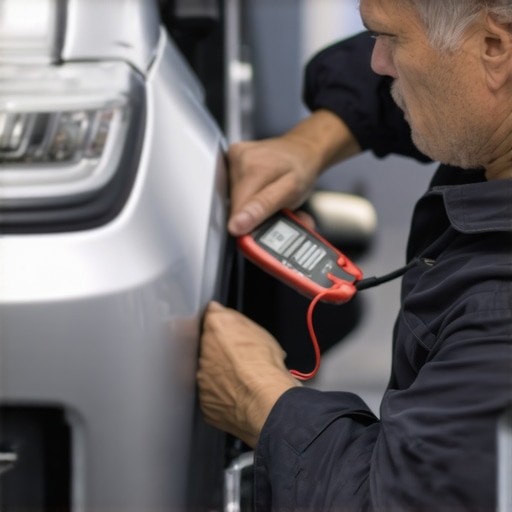
Why Does Your Transmission Act Up Only When the Engine Misfires?
It is a common diagnostic trap: the vehicle develops a rhythmic vibration or a ‘shudder’ at 45 mph, and the owner is told they need a new torque converter. However, a seasoned mechanic understands that a minor engine misfire under load—often called a ‘fishbite’ misfire—can perfectly mimic a transmission shudder. If your spark plugs are fouled or you have the 15 dollar ignition coil boot error, the engine will stumble exactly when the transmission’s lock-up clutch engages. This creates a vibration that feels mechanical but is entirely electrical. Before authorizing a four-figure transmission repair, always perform a thorough tune up and check for pending misfire codes. Data from Consumer Reports indicates that nearly 25% of complex vehicle repairs are initially misdiagnosed because modern electronics mask simple maintenance failures as catastrophic hardware issues. Have you ever been quoted for a major repair only to find a small sensor was the real problem? Share your stories in the comments below to help other drivers avoid the same trap.
Don’t Overlook the Mechanical Connection at Your Fingertips
Sometimes the ‘hunting’ or ‘slippage’ isn’t occurring inside the transmission case at all, but rather in the physical linkage that connects your shifter to the gearbox. A degraded plastic bushing can cause the cable to sit slightly out of alignment, meaning the internal manual valve isn’t perfectly centered in the ‘Drive’ position. This can cause the transmission to drop out of gear or struggle to find the right hydraulic circuit. Replacing the 6 dollar plastic bushing is a common fix for a ‘loose’ shifter feeling that often precedes more serious-looking symptoms. Ensuring your physical controls are crisp and calibrated is just as vital as any brake service or fluid exchange. Technical precision requires looking at the entire ecosystem of the vehicle, from the driver’s hand to the ground strap on the frame. If you’re still experiencing issues after checking these basics, it might be time to use these mechanic tips for diagnosing common auto problems to narrow down the search.
Reset Your Car’s Brain Before Tearing Into the Case
Many car owners are unaware that modern Transmission Control Modules (TCMs) are constantly learning your driving habits and adjusting hydraulic line pressure to compensate for internal component wear. When you perform a significant auto repair, such as replacing a solenoid or even changing the fluid, the computer may still be operating on old data calibrated for worn conditions. This mismatch results in harsh shifts or flared engagements. Performing a KAM (Keep Alive Memory) reset or a dedicated TCM relearn procedure is often the final step in a successful tune up. Without this digital recalibration, the transmission might continue to hunt simply because it is trying to apply the wrong pressure for the new conditions.
Can a Frayed Wheel Speed Sensor Disable Your Overdrive?
It sounds like a stretch, but the interconnected nature of modern CAN-bus networks means a fault in the braking system can directly paralyze your gearbox. If a wheel speed sensor is sending erratic data, the Traction Control System (TCS) may command the transmission to stay in a lower gear to maintain stability, effectively locking you out of overdrive. This is why a comprehensive brake service often involves more than just pads and rotors; it requires verifying the integrity of the electronic sensors that talk to the rest of the drivetrain. If your car refuses to hit top gear on the highway, don’t just look at the fluid; look at the dashboard for an ABS light or a pending chassis code. 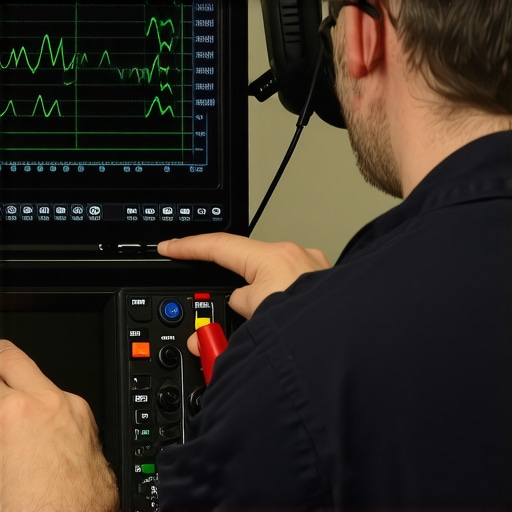
Keep It Cool or Watch Your Clutch Packs Cook
Thermal management is the unsung hero of transmission longevity. For every 20-degree increase in operating temperature above 175°F, the lifespan of the fluid—and the internal seals—is cut nearly in half. In many vehicles, the transmission cooler is integrated into the radiator, creating a risk of catastrophic contamination if the internal barrier fails. However, a more subtle issue is the thermostatic bypass valve. If this small valve sticks, it prevents fluid from reaching the external cooler, leading to localized overheating during stop-and-go traffic. Technical data from the National Highway Traffic Safety Administration (NHTSA) indicates that cooling system failures account for a significant percentage of premature automatic transmission replacements in heavy-duty applications. Professional mechanic shops often recommend installing an auxiliary plate-and-fin cooler to bypass the factory system entirely if you frequently tow or live in a desert climate.
Listen to the Solenoid Click Before You Blame the Pump
Internal hydraulic pressure is regulated by Pulse Width Modulation (PWM) solenoids—electronic valves that open and close hundreds of times per second. Over time, these solenoids can become lazy or stick mechanically due to microscopic debris, even if they pass an electrical resistance test. A skilled diagnostic tech won’t just check for a check engine light; they will use an oscilloscope to visualize the current ramp of the solenoid. If the click is delayed or the current draw is jagged, the solenoid is failing. This level of technical scrutiny prevents unnecessary rebuilds. If you’re unsure whether your shift issues are mechanical or digital, reaching out to a specialist for a scan-tool data log is the smartest first move. Understanding the nuance between a commanded shift and a completed shift is what separates a parts-changer from a master technician.
Verify Software Updates Before You Pull the Pan
Manufacturers frequently release Technical Service Bulletins (TSBs) that address software glitches masquerading as mechanical slip. Before you let a mechanic quote a rebuild, verify if a TCM reflash is available. For instance, according to the Automatic Transmission Rebuilders Association (ATRA), a significant percentage of late-model shifting complaints are rectified purely through firmware updates that recalibrate shift timing for real-world wear. This isn’t just a basic tune up; it is an essential digital alignment. If your vehicle experiences ‘flare’—a sudden RPM spike during a shift—the computer might simply be lost in its own adaptive tables. Recalibrating these parameters often restores factory-smooth performance for a fraction of the cost of a physical overhaul.
Why Does Your New LED Kit Make the Gears Hunt?
It sounds like automotive folklore, but electromagnetic interference (EMI) is a silent saboteur of modern mechatronic systems. Cheap aftermarket LED headlights or poorly shielded HID ballasts can leak electrical noise into the vehicle’s wiring harness. Because the Transmission Control Module (TCM) relies on incredibly sensitive low-voltage signals from speed sensors, this noise can ‘pollute’ the data stream. The result is a computer that sees phantom speed fluctuations, causing the transmission to hunt for gears as it tries to reconcile impossible data points. If your shifting issues started shortly after an aesthetic auto repair or lighting upgrade, you might need a ferrite bead or better grounding rather than a new valve body.
Mastering the Clutch Volume Index for Precision Health Checks
When a standard scan tool shows no codes, a master technician looks at the Clutch Volume Index (CVI). This internal metric represents the volume of fluid required to apply a clutch pack. As friction material wears down, the piston must travel further, requiring more fluid. By monitoring these values, you can objectively measure the remaining life of your internal components without removing a single bolt. If your CVI numbers are within the ‘high-normal’ range, your shifting issues are likely external—perhaps related to a brake service that didn’t address a sticking caliper, creating an artificial load that confuses the transmission’s torque-management logic. Utilizing this data-driven approach ensures you aren’t guessing with your wallet.
Don’t Ignore Engine Harmonics Near the Bellhousing
A failing harmonic balancer or a cracked flexplate can create high-frequency vibrations that the knock sensors or crankshaft position sensors pick up as ‘engine noise.’ To compensate, the TCM may alter shift pressures or prevent torque converter lock-up to protect the drivetrain from perceived harshness. This creates a feedback loop where the transmission feels ‘lazy’ or disconnected. Expert auto repair involves using a vibration analyzer to distinguish between a mechanical internal gear whine and an external harmonic imbalance. Have you checked your engine mounts and harmonic balancer lately? If you’ve been chasing a vibration that feels like a ‘shudder,’ share your diagnostic journey in the comments below—your experience might be the missing link for someone else. Keeping the entire vehicle’s ‘rhythm’ in check is just as critical as any routine tune up for long-term drivetrain health.Modern transmissions are marvels of mechatronic engineering, yet they are surprisingly susceptible to minor electrical interference that mimics catastrophic mechanical failure. When a vehicle hunts for gears—rapidly shifting up and down without a clear load change—the immediate reaction from many owners is to fear a multi-thousand-dollar rebuild. However, experienced diagnostic technicians know that hunting is frequently a signaling issue rather than a clutch pack failure. In the realm of professional auto repair, we distinguish between hydraulic slippage and electronic confusion. Often, the culprit is a degraded reference signal or a minor vacuum leak that costs less than a tank of gas to resolve, proving that deep technical knowledge often outweighs expensive hardware replacements.
Stop Chasing Ghost Shifts and Prioritize Your Ground Straps
One of the most overlooked components in the drivetrain is the engine-to-chassis ground strap. As these braided cables oxidize, they create electrical resistance that dirties the signal sent to the Transmission Control Module (TCM). This noise causes the TCM to misinterpret engine load and throttle position, resulting in erratic shifting. Implementing the 14 dollar ground strap fix can stabilize these signals instantly. According to the Society of Automotive Engineers (SAE), even a 0.5-volt drop in a sensor circuit can trigger erroneous shift patterns that no amount of internal mechanical work can solve. Expert diagnosis involves using a high-impedance multimeter to check for voltage drops before ever pulling the transmission pan. [image_placeholder_1]
Can a Faulty External Sensor Mimic a Blown Torque Converter?
Absolutely. If your vehicle struggles to find the right gear at highway speeds, the issue might not be the internal gears but the Input/Output Speed Sensors or the Throttle Position Sensor (TPS). These components provide the eyes for the transmission. When they provide intermittent data, the computer constantly recalculates the shift point, leading to that annoying hunting sensation. Before you commit to a major tune up or a transmission teardown, ensure your mechanic performs a live-data sweep of these sensors. You might find that a simple 15 dollar sensor is the key to restoring drivability. Professional brake service and transmission diagnostics share this commonality: small components dictate the safety and performance of the entire system.
Revive Hydraulic Pressure with a Strategic Fluid Exchange
While some shops push for a complete flush, a strategic drain-and-fill often provides enough fresh friction modifiers to stop minor gear hunting. Over time, transmission fluid loses its viscosity and heat-dissipation properties, leading to shudder and hunt. Performing the 20 dollar fluid swap can often rescue a slipping transmission by restoring the hydraulic integrity of the valve body. If you are unsure if your fluid is the cause, check for these 3 signs your transmission fluid is actually burning before proceeding. To ensure your vehicle remains reliable, always consult a skilled mechanic you can trust for a professional pressure test and diagnostic confirmation.
Stop Blaming the Gears for a Silent Vacuum Leak
Many drivers assume that a transmission shifting early or late is a sign of internal mechanical fatigue, but in many engine configurations, the transmission is simply reacting to incorrect engine load data. A microscopic crack in a rubber hose can lead to the hidden vacuum leak that makes your transmission shift early or behave erratically under light acceleration. In older vacuum-modulated systems, this is a direct mechanical link; in modern fuel-injected vehicles, a vacuum leak tricks the manifold absolute pressure (MAP) sensor, which then feeds faulty data to the Transmission Control Module. If you suspect an air leak is sabotaging your drivability, you don’t need a smoke machine to start your investigation; often, the 5 dollar soapy water trick is enough to pinpoint the culprit without a trip to an expensive shop. High-level diagnostic logic dictates that we verify the engine’s ‘breathing’ is consistent before we ever condemn the gearbox.
Why Does Your Transmission Act Up Only When the Engine Misfires?
It is a common diagnostic trap: the vehicle develops a rhythmic vibration or a ‘shudder’ at 45 mph, and the owner is told they need a new torque converter. However, a seasoned mechanic understands that a minor engine misfire under load—often called a ‘fishbite’ misfire—can perfectly mimic a transmission shudder. If your spark plugs are fouled or you have the 15 dollar ignition coil boot error, the engine will stumble exactly when the transmission’s lock-up clutch engages. This creates a vibration that feels mechanical but is entirely electrical. Before authorizing a four-figure transmission repair, always perform a thorough tune up and check for pending misfire codes. Data from Consumer Reports indicates that nearly 25% of complex vehicle repairs are initially misdiagnosed because modern electronics mask simple maintenance failures as catastrophic hardware issues. Have you ever been quoted for a major repair only to find a small sensor was the real problem? Share your stories in the comments below to help other drivers avoid the same trap.
Don’t Overlook the Mechanical Connection at Your Fingertips
Sometimes the ‘hunting’ or ‘slippage’ isn’t occurring inside the transmission case at all, but rather in the physical linkage that connects your shifter to the gearbox. A degraded plastic bushing can cause the cable to sit slightly out of alignment, meaning the internal manual valve isn’t perfectly centered in the ‘Drive’ position. This can cause the transmission to drop out of gear or struggle to find the right hydraulic circuit. Replacing the 6 dollar plastic bushing is a common fix for a ‘loose’ shifter feeling that often precedes more serious-looking symptoms. Ensuring your physical controls are crisp and calibrated is just as vital as any brake service or fluid exchange. Technical precision requires looking at the entire ecosystem of the vehicle, from the driver’s hand to the ground strap on the frame. If you’re still experiencing issues after checking these basics, it might be time to use these mechanic tips for diagnosing common auto problems to narrow down the search.
Reset Your Car’s Brain Before Tearing Into the Case
Many car owners are unaware that modern Transmission Control Modules (TCMs) are constantly learning your driving habits and adjusting hydraulic line pressure to compensate for internal component wear. When you perform a significant auto repair, such as replacing a solenoid or even changing the fluid, the computer may still be operating on old data calibrated for worn conditions. This mismatch results in harsh shifts or flared engagements. Performing a KAM (Keep Alive Memory) reset or a dedicated TCM relearn procedure is often the final step in a successful tune up. Without this digital recalibration, the transmission might continue to hunt simply because it is trying to apply the wrong pressure for the new conditions.
Can a Frayed Wheel Speed Sensor Disable Your Overdrive?
It sounds like a stretch, but the interconnected nature of modern CAN-bus networks means a fault in the braking system can directly paralyze your gearbox. If a wheel speed sensor is sending erratic data, the Traction Control System (TCS) may command the transmission to stay in a lower gear to maintain stability, effectively locking you out of overdrive. This is why a comprehensive brake service often involves more than just pads and rotors; it requires verifying the integrity of the electronic sensors that talk to the rest of the drivetrain. If your car refuses to hit top gear on the highway, don’t just look at the fluid; look at the dashboard for an ABS light or a pending chassis code.
Keep It Cool or Watch Your Clutch Packs Cook
Thermal management is the unsung hero of transmission longevity. For every 20-degree increase in operating temperature above 175°F, the lifespan of the fluid—and the internal seals—is cut nearly in half. In many vehicles, the transmission cooler is integrated into the radiator, creating a risk of catastrophic contamination if the internal barrier fails. However, a more subtle issue is the thermostatic bypass valve. If this small valve sticks, it prevents fluid from reaching the external cooler, leading to localized overheating during stop-and-go traffic. Technical data from the National Highway Traffic Safety Administration (NHTSA) indicates that cooling system failures account for a significant percentage of premature automatic transmission replacements in heavy-duty applications. Professional mechanic shops often recommend installing an auxiliary plate-and-fin cooler to bypass the factory system entirely if you frequently tow or live in a desert climate.
Listen to the Solenoid Click Before You Blame the Pump
Internal hydraulic pressure is regulated by Pulse Width Modulation (PWM) solenoids—electronic valves that open and close hundreds of times per second. Over time, these solenoids can become lazy or stick mechanically due to microscopic debris, even if they pass an electrical resistance test. A skilled diagnostic tech won’t just check for a check engine light; they will use an oscilloscope to visualize the current ramp of the solenoid. If the click is delayed or the current draw is jagged, the solenoid is failing. This level of technical scrutiny prevents unnecessary rebuilds. If you’re unsure whether your shift issues are mechanical or digital, reaching out to a specialist for a scan-tool data log is the smartest first move. Understanding the nuance between a commanded shift and a completed shift is what separates a parts-changer from a master technician.
Verify Software Updates Before You Pull the Pan
Manufacturers frequently release Technical Service Bulletins (TSBs) that address software glitches masquerading as mechanical slip. Before you let a mechanic quote a rebuild, verify if a TCM reflash is available. For instance, according to the Automatic Transmission Rebuilders Association (ATRA), a significant percentage of late-model shifting complaints are rectified purely through firmware updates that recalibrate shift timing for real-world wear. This isn’t just a basic tune up; it is an essential digital alignment. If your vehicle experiences ‘flare’—a sudden RPM spike during a shift—the computer might simply be lost in its own adaptive tables. Recalibrating these parameters often restores factory-smooth performance for a fraction of the cost of a physical overhaul.
Why Does Your New LED Kit Make the Gears Hunt?
It sounds like automotive folklore, but electromagnetic interference (EMI) is a silent saboteur of modern mechatronic systems. Cheap aftermarket LED headlights or poorly shielded HID ballasts can leak electrical noise into the vehicle’s wiring harness. Because the Transmission Control Module (TCM) relies on incredibly sensitive low-voltage signals from speed sensors, this noise can ‘pollute’ the data stream. The result is a computer that sees phantom speed fluctuations, causing the transmission to hunt for gears as it tries to reconcile impossible data points. If your shifting issues started shortly after an aesthetic auto repair or lighting upgrade, you might need a ferrite bead or better grounding rather than a new valve body.
Mastering the Clutch Volume Index for Precision Health Checks
When a standard scan tool shows no codes, a master technician looks at the Clutch Volume Index (CVI). This internal metric represents the volume of fluid required to apply a clutch pack. As friction material wears down, the piston must travel further, requiring more fluid. By monitoring these values, you can objectively measure the remaining life of your internal components without removing a single bolt. If your CVI numbers are within the ‘high-normal’ range, your shifting issues are likely external—perhaps related to a brake service that didn’t address a sticking caliper, creating an artificial load that confuses the transmission’s torque-management logic. Utilizing this data-driven approach ensures you aren’t guessing with your wallet.
Don’t Ignore Engine Harmonics Near the Bellhousing
A failing harmonic balancer or a cracked flexplate can create high-frequency vibrations that the knock sensors or crankshaft position sensors pick up as ‘engine noise.’ To compensate, the TCM may alter shift pressures or prevent torque converter lock-up to protect the drivetrain from perceived harshness. This creates a feedback loop where the transmission feels ‘lazy’ or disconnected. Expert auto repair involves using a vibration analyzer to distinguish between a mechanical internal gear whine and an external harmonic imbalance. Have you checked your engine mounts and harmonic balancer lately? If you’ve been chasing a vibration that feels like a ‘shudder,’ share your diagnostic journey in the comments below—your experience might be the missing link for someone else. Keeping the entire vehicle’s ‘rhythm’ in check is just as critical as any routine tune up for long-term drivetrain health.
Expert Insights & Advanced Considerations
Look Beyond the Codes with an Oscilloscope
A standard OBD-II scanner only tells you what the computer thinks is wrong; an oscilloscope shows you what is actually happening in the circuit. By graphing the amperage ramp of a shift solenoid, you can identify a sticking mechanical valve before it triggers a hard fault. This level of precision is the hallmark of high-tier auto repair.
Respect the Fluid Temperature Delta
Most drivers ignore their transmission temperature until the warning light illuminates, but by then, the friction modifiers are already compromised. Monitoring the delta between the pan temperature and the converter outlet can reveal a failing bypass valve or a clogged cooler long before the gears begin to hunt. This proactive data gathering is more effective than any reactive tune up.
Validate Your Voltage Drop Under Load
Static battery tests mean nothing to a Transmission Control Module (TCM) that needs clean power during a heavy-shift event. Perform a voltage drop test on both the power and ground sides of the TCM harness while the vehicle is under load. You might find that the 18 dollar ground wire fix is the only thing standing between you and a perfect drive.
Curated Expert Resources
ATRA Technical Manuals
The Automatic Transmission Rebuilders Association provides the gold standard for teardown and diagnostic data. Their technical bulletins are essential for any mechanic looking to stay ahead of manufacturer-specific quirks and firmware updates.
NHTSA Recalls and TSB Databases
Always cross-reference your symptoms with the National Highway Traffic Safety Administration’s database. Often, what looks like a mechanical failure is a known manufacturing defect or a software glitch that requires a factory reflash rather than a physical part replacement.
SAE International Technical Papers
For those who want to understand the fluid dynamics and metallurgical properties of clutch packs, the Society of Automotive Engineers offers peer-reviewed research that explains the mechanics of torque management.
Final Expert Perspective
Modern drivetrain maintenance has evolved from simple wrench-turning into a sophisticated discipline of electronic verification and thermal management. Whether you are performing a complex auto repair or a routine tune up, the goal remains the same: isolating the root cause before the symptoms cascade into total failure. A disciplined diagnostic approach—incorporating everything from brake service integration to digital sensor sweeps—is the only way to ensure longevity in today’s mechatronic gearboxes. If you have successfully diagnosed a “phantom” shift issue using these methods, we want to hear your story. Head over to our contact page or join the technical discussion in the comments to help keep the community’s vehicles on the road longer.