
Modern internal combustion engines are marvels of precision engineering, yet their operational stability often hinges on the most rudimentary components. When a vehicle exhibits a violent shudder or erratic RPM fluctuations at a stoplight, many owners immediately fear a catastrophic engine failure or a costly auto repair bill. However, seasoned mechanic professionals know that the culprit is frequently an unmetered air leak—a simple breach in the vacuum system that costs less than a gallon of milk to fix but can mimic the symptoms of a dying motor.
Why Your Engine Struggles at a Standstill
An engine’s idle is a delicate balancing act of air, fuel, and spark. At low speeds, the throttle plate is nearly closed, and the engine relies on a specific amount of vacuum to maintain stability. When a small crack develops in a rubber hose or a plastic fitting, ‘false air’ enters the system, bypassing the Mass Air Flow (MAF) sensor. This creates a lean condition that forces the Engine Control Unit (ECU) to overcompensate by dumping extra fuel, leading to the erratic ‘hunting’ idle many drivers experience. Often, a comprehensive diagnostic session reveals that what looked like a failing fuel pump was merely a perished $5 vacuum line.
Stop Chasing Expensive Sensors and Inspect the Vacuum Hoses First
In the world of high-tech diagnostics, there is a tendency to replace expensive electronic components at the first sign of a Trouble Code (DTC). While a P0171 code suggests a lean condition, it does not always mean a sensor has failed. Before paying for a full tune up or replacing an O2 sensor, an expert technician will perform a visual inspection of the intake tract. A brittle PCV hose or a disconnected vacuum reservoir line is a common point of failure on high-mileage vehicles. These leaks are particularly deceptive because they often vanish under load when the throttle is open, only to return with a vengeance once you decelerate. In fact, some vacuum leaks are so subtle they only affect shifting patterns, as seen with this specific vacuum hose issue that often leads to unnecessary transmission rebuilds.
Is a Small Vacuum Leak Actually Sabotaging Your Fuel Economy?
Beyond the annoying vibration, air leaks represent a significant efficiency drain. According to standards established by SAE International, maintaining precise stoichiometric ratios is critical for catalytic converter health and fuel economy. A persistent lean condition caused by a leak forces the engine to run ‘rich’ to prevent stalling, which can soot up your spark plugs and overheat your exhaust components. This is why a routine brake service or oil change should always include a quick check of the engine’s vacuum health. If you are experiencing a stumbling engine at stoplights, learn how to locate an intake leak using simple household items before committing to expensive component replacements. Proactive maintenance on these small rubber parts ensures that your car remains reliable without the need for emergency auto repair interventions.
Don’t Ignore the Coolant-Transmission Connection
While most car owners associate overheating strictly with the engine block, the cooling system plays a secondary, equally vital role in protecting your drivetrain. In many modern vehicles, the transmission fluid is cooled via a heat exchanger integrated into the radiator. When your antifreeze levels drop or the fluid becomes acidic through neglect, it creates a thermal feedback loop that can cook your transmission’s internal clutches. It is a common oversight during a standard tune up, but understanding how a low coolant level destroys your transmission over time is the difference between a simple flush and a five-thousand-dollar overhaul. A proactive mechanic will always check for the presence of ‘strawberry milkshake’ fluid—a sign of internal radiator failure—before the transmission begins to slip.
Stop Throwing Money at Your Charging System
Phantom electrical issues often lead frustrated owners to replace alternators and batteries multiple times, yet the ‘Check Engine’ light remains stubbornly illuminated. High-level diagnostics frequently point back to a loss of ground integrity. In the world of auto repair, a corroded $15 cable can generate enough resistance to confuse the ECU, leading to misfires or random sensor errors. According to the National Institute for Automotive Service Excellence (ASE), verifying circuit ground paths is a fundamental step in electrical troubleshooting that is often bypassed by less experienced technicians. Before you commit to a new charging system, utilize this 10-minute multimeter trick for spotting a dying alternator or a failing ground. Often, this simple ground strap fix resolves the mystery electrical gremlins that haunt high-mileage European and domestic vehicles alike.
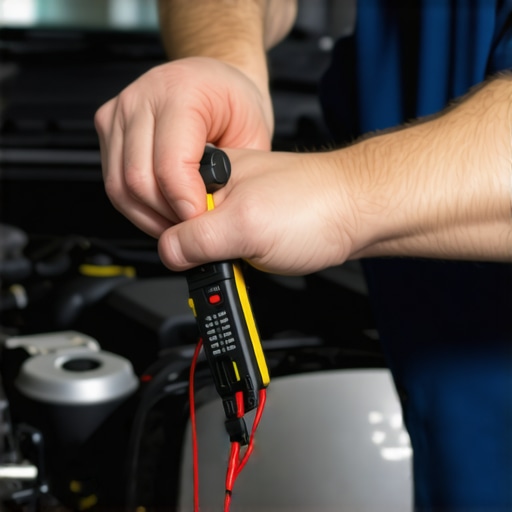
Could a Poorly Secured Battery Terminal Be Killing Your ECU?
Voltage spikes are the silent killers of automotive computers. A loose terminal causes the alternator to ‘hunt’ for a load, creating micro-surges that can fry sensitive circuitry over time. This is why professional auto repair shops emphasize clean connections during every brake service or routine inspection. If you have ever experienced a sudden ‘no-start’ condition that mysteriously fixes itself after wiggling a cable, you are sitting on a ticking diagnostic time bomb. Beyond the battery, ensure your mechanic is checking the integrity of the main fuse box connections. Have you ever encountered a repair that seemed impossible to solve? Share your story in the comments below or suggest a topic you would like us to dive into next.
Master the Art of the Hub Scrub for Silent Brakes
Most brake noise is not actually caused by the pads themselves, but by lateral runout—a tiny wobble in the rotor. Even the most expensive pads will squeal if the mounting surface of the wheel hub is not perfectly clean. This is where many DIY attempts and ‘budget’ shops fail; they ‘slap’ new rotors onto a rusty hub, ensuring the brakes will pulse within a few thousand miles. To achieve professional-grade results, you must perform the simple hub scrub that ends persistent brake squeal. This attention to detail is what separates a world-class technician from someone just turning wrenches. Always ensure you are working with a professional who understands these nuances; taking the time to learn how to spot a fake mechanic before they touch your vehicle can save you from repetitive, ineffective repairs.
Stop Replacing Shocks for Noises Caused by Tiny Rubber Bushings
Even the most expensive brake service won’t cure a steering wheel shake if your control arm bushings have turned to mush. Many drivers equate a front-end shimmy with warped rotors, yet a seasoned mechanic looks for torn rubber at the pivot points first. When these bushings fail, they allow the suspension geometry to shift under load, creating a feedback loop of vibration that mimics a brake failure. Replacing the entire control arm is often more cost-effective than pressing out old bushings, as it also refreshes the ball joints—the literal ‘knees’ of your vehicle’s handling system. Maintaining these components ensures that your tires wear evenly and your emergency maneuvers remain predictable.
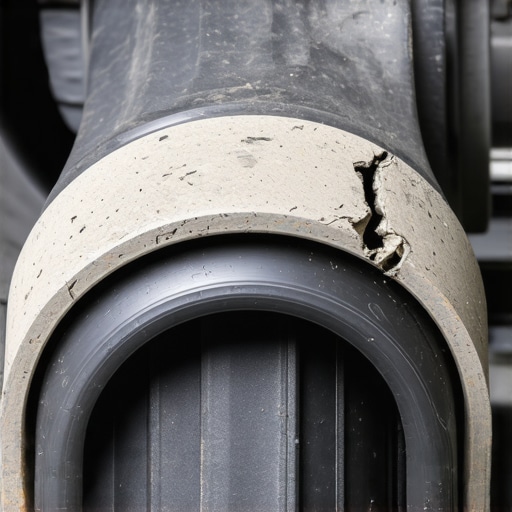
Let Fuel Trim Data Tell You the Real Story
To truly understand your vehicle’s health during a tune up, you must look beyond the ‘Check Engine’ light and analyze live data. Fuel trims are the most powerful diagnostic tool in a modern technician’s arsenal. Short-term fuel trim (STFT) shows immediate adjustments, while long-term fuel trim (LTFT) reveals the history of how the ECU has compensated for lean or rich conditions over hundreds of miles. According to the Environmental Protection Agency (EPA), maintaining these ratios is not just about performance, but also about minimizing your carbon footprint through efficient combustion. If your LTFT is consistently above 15%, you have a vacuum leak or a fuel delivery issue that is slowly killing your catalytic converter.
Why Does My Car Vibrate at 60 MPH Even After a Wheel Balance?
This specific speed-sensitive vibration often points toward a failing CV axle or a driveshaft that has lost its balance weight. Unlike an out-of-balance tire, which usually vibrates through the steering wheel, a mechanical drivetrain imbalance often resonates through the floorboards or the seat. A savvy auto repair specialist will check for ‘inner tulip’ wear in the CV joint, where the tripod bearings create a groove that catches under acceleration. If you have been chasing a mystery vibration, share your specific vehicle symptoms with our community to narrow down the cause before you spend another dime on balancing weights.
Why Cheap Oil is a Death Sentence for Modern Turbochargers
The modern downsizing trend means more four-cylinder engines are paired with high-heat turbochargers. These components spin at over 100,000 RPM and rely entirely on a thin film of oil for cooling and lubrication. Ignoring your oil change interval or using sub-standard lubricants is a death sentence for these units. The ‘coking’ effect—where oil bakes into hard carbon deposits inside the turbo’s oil lines—is the leading cause of premature turbo failure. This is why a premium synthetic oil is a mandatory part of any modern tune up. When the oil flow is restricted, the turbo’s center cartridge overheats and seizes, often sending metal shards directly into your engine’s intake.
Don’t Let a Lazy Solenoid Fool You into a New Transmission
When a modern automatic transmission shifts harshly or ‘hunts’ for a gear, the culprit is often an electronic solenoid rather than a mechanical failure. These small electromagnetic valves control the flow of hydraulic fluid to the clutch packs. Over time, microscopic metal debris can clog the internal screens, causing slow response times and erratic shifting. A skilled mechanic will test these solenoids with a scan tool to measure their ohm resistance and response time before ever recommending a full rebuild. Replacing a single $60 solenoid is a common auto repair triumph that saves thousands, yet it requires a level of diagnostic patience that many high-volume shops simply don’t offer.
Stop the GDI Gunk from Choking Your Valves
While direct injection (GDI) offers superior power and fuel efficiency, it creates a unique challenge that a traditional tune up often misses. In a port-injected engine, fuel sprays directly onto the intake valves, effectively ‘washing’ them clean. In GDI systems, the fuel enters the cylinder directly, leaving the valves dry and susceptible to rapid carbon accumulation. Over time, these deposits restrict airflow, leading to sluggish acceleration and rough idling. A meticulous mechanic will use a borescope to inspect these valves rather than just swapping spark plugs. For many high-performance vehicles, ‘walnut blasting’—a process that uses crushed shells to safely scour the valves—is the only way to restore lost horsepower without a full teardown.
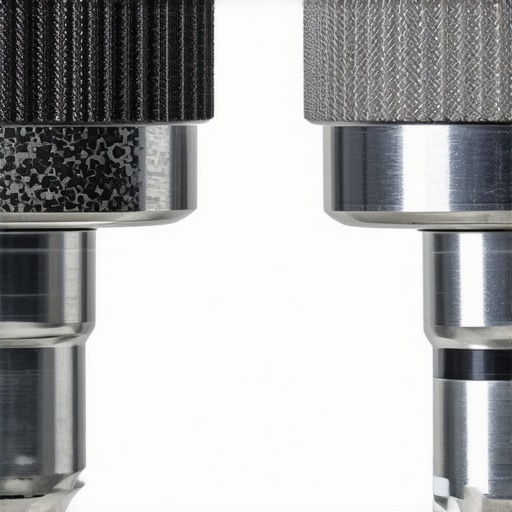
Why Does Your Brake Pedal Feel Spongy Despite New Pads?
If you have recently paid for a brake service but still feel a lack of firmness underfoot, the issue likely isn’t the pads or rotors; it is the chemical state of your brake fluid. Brake fluid is hygroscopic, meaning it actively absorbs moisture from the atmosphere. Once moisture content exceeds 3%, the boiling point drops significantly, leading to ‘vapor lock’ during heavy braking. Furthermore, stagnant fluid accumulates dissolved copper from the internal lines, which can chemically attack the sensitive valves inside your ABS module. This is why testing for copper parts-per-million (ppm) is now a standard practice for elite auto repair shops looking to prevent a multi-thousand-dollar hydraulic unit failure.
Tiny Filters That Kill Variable Valve Timing
Modern engines use Variable Valve Timing (VVT) to optimize performance across the RPM range, controlled by oil pressure and electromagnetic solenoids. What many owners don’t realize is that these solenoids often have microscopic mesh screens that act as a last line of defense against debris. If you stretch your oil change intervals, even by a few hundred miles, microscopic sludge can clog these screens. This triggers a ‘camshaft position correlation’ code that often leads people to wrongly suspect a stretched timing chain. A knowledgeable technician knows that a simple solenoid cleaning or replacement is a far more likely auto repair solution than a catastrophic engine rebuild.
The Vapor Mystery: Why Your Car Fails to Start After Refueling
If your vehicle struggles to start specifically after you fill up the gas tank, you aren’t dealing with ‘bad gas.’ Instead, you likely have a stuck-open EVAP purge valve. This component is designed to pull fuel vapors from the charcoal canister into the engine while you drive. If it fails in the open position, it allows raw fuel vapors to flood the intake manifold during refueling, essentially ‘drowning’ the engine in gas. According to the California Air Resources Board (CARB), EVAP leaks are among the most common reasons for failed emissions tests, yet they are frequently misdiagnosed as fuel pump issues. Identifying this $40 part early can prevent the premature death of your charcoal canister, which is significantly more expensive to replace. Have you ever had a ‘Check Engine’ light that only appeared after a trip to the gas station? Let us know your experience or ask a question about your specific model below.
Expert Insights & Advanced Considerations
Stop Chasing Trouble Codes and Start Reading the Live Stream
A persistent mistake in modern auto repair is treating a Diagnostic Trouble Code (DTC) as a definitive parts list. True diagnostic proficiency involves analyzing live data streams to observe sensor behavior in real-time. For instance, monitoring your Short Term Fuel Trim (STFT) while artificially introducing a vacuum leak will tell you more about your engine’s health than a simple code reader ever could. If you find yourself frustrated because your check engine light keeps coming back after you clear it, it is time to move beyond the scanner and start interpreting the oxygen sensor’s reaction times and fuel adaptation values.
Test Your Brake Fluid for Copper Content Rather Than Just Color
While many drivers assume dark fluid is the only sign they need a brake service, professional technicians know that color is a subjective and often misleading indicator. The real danger lies in the chemical degradation of the fluid’s corrosion inhibitors. High copper levels in the fluid act as a catalyst for further oxidation, which eventually destroys the delicate valves within your ABS modulator. This is often the hidden culprit behind why your new brake fluid turned dark gray so quickly. Using copper test strips provides a quantitative metric that justifies a flush before mechanical failure occurs.
That Rusty Ground Strap Is a Silent Network Killer
In the era of high-speed CAN-BUS communication, even a marginal increase in electrical resistance can lead to a cascade of ‘ghost’ errors. When a ground strap becomes corroded, it creates a voltage drop that forces sensitive sensors to search for an alternative path to ground, often through throttle cables or transmission linkages. This can manifest as erratic shifting or random sensor dropouts. Implementing the 15-dollar ground strap fix is one of the most cost-effective ways to stabilize a high-mileage vehicle’s electronics and prevent unnecessary component replacement during a tune up.
Don’t Let the High-Mileage Transmission Flush Myth Scuttle Your Maintenance
There is a prevailing myth that flushing a high-mileage transmission will cause it to slip. In reality, the failure usually occurs because the transmission was already failing, and the fresh detergent in the new fluid simply washed away the remaining friction material holding the gears together. A savvy mechanic will analyze the current fluid’s condition; if you understand why your transmission fluid is turning black, you can make an informed decision on whether to perform a full flush or a gradual drain-and-fill to preserve the unit’s longevity.
Curated Expert Resources
SAE International Technical Papers
The Society of Automotive Engineers (SAE) provides the gold standard for technical specifications. Accessing their database allows you to understand the engineering logic behind stoichiometric ratios and thermal management systems, moving your knowledge from anecdotal to evidence-based.
ASE Study Guides and Test Prep
Even for the DIY enthusiast, the National Institute for Automotive Service Excellence (ASE) offers resources that define the industry standard for diagnostic procedures. These guides help refine your troubleshooting workflow to avoid the ‘parts cannon’ approach to repairs.
Identifix Direct-Hit Database
This is a professional-grade resource that aggregates real-world fixes from thousands of shops. It is invaluable for identifying pattern failures that are specific to your vehicle’s make and model, allowing you to bypass hours of generic testing.
OEM Service Information (TechAuthority, TIS, WIS)
Nothing beats the manufacturer’s own workshop manuals. These resources provide the specific torque sequences, wiring diagrams, and TSBs (Technical Service Bulletins) that are essential for performing a complex tune up or safety-critical brake service with factory precision.
Final Expert Perspective
Modern vehicle maintenance has evolved from simple mechanical adjustments to a complex discipline of data analysis and preventative chemistry. Whether you are performing a routine tune up or a comprehensive brake service, success depends on your ability to see the car as an interconnected ecosystem rather than a collection of independent parts. By prioritizing ground integrity, analyzing live data streams, and using objective testing methods, you can significantly reduce the total cost of ownership and avoid the pitfalls of trial-and-error auto repair. We invite you to utilize these tune up strategies to save money while maintaining the highest safety standards. If you have questions about a specific diagnostic challenge, consult with a top-rated mechanic who values transparency and data-driven results over guesswork.