The Anatomy of a Phantom Transmission Failure
Few automotive symptoms strike fear into a driver’s heart quite like a slipping transmission. When the engine revs but the wheels don’t catch, your immediate financial forecast typically includes a multi-thousand-dollar rebuild or replacement. However, modern electronically controlled transaxles are governed by a complex web of sensors, wiring harnesses, and control modules that can easily mimic catastrophic mechanical failure. When a professional mechanic approaches this symptom, they do not immediately drop the transmission pan. Instead, they begin with systemic diagnostics, knowing that electrical gremlins often masquerade as mechanical disasters.
In many cases, what feels like worn-out clutches or a failing torque converter is actually a failure of communication. If the Transmission Control Module (TCM) loses power or receives corrupted data, it cannot properly regulate line pressure. This leads to erratic shifting, delayed engagement, or sudden drops into limp-home mode. Before you resign yourself to a massive repair bill, it is crucial to isolate the electrical system from the mechanical components. You might discover that you do not need a new transmission, but rather a simple electrical intervention.
How to Tell if Your Transmission Slip is Actually a Cheap Electrical Issue
Determining whether your transmission issue is mechanical or electrical requires looking at how the symptom behaves. A mechanical slip, such as worn friction plates, usually manifests gradually, slipping consistently under specific loads or when shifting into a particular gear. Conversely, electrical slippage is often erratic, sudden, and accompanied by a cascade of dashboard warning lights. To help you diagnose this on your own driveway, check out this guide on how to tell if your transmission slip is actually a 15 electrical issue to save yourself from an unnecessary shop visit.
The Electrical Culprits Behind False Slipping
The modern automotive electrical system relies on pristine voltage levels. When a ground strap corrodes or a fuse develops hairline fractures, the voltage dropping across these resistances causes electronic sensors to send erroneous signals. The TCM relies heavily on inputs from the throttle position sensor, mass airflow sensor, and engine speed sensor to calculate gear shifts. If any of these inputs are compromised, the shift timing will be completely thrown off.
For instance, a faulty vehicle speed sensor or a blown control fuse can prevent the TCM from knowing how fast the vehicle is traveling. In response, the computer may default to maximum line pressure or hunt frantically between gears. This symptom is often misdiagnosed as physical slip, prompting dishonest or inexperienced shops to recommend a complete overhaul. This is why getting a comprehensive diagnostic scan and a basic electrical system test is a non-negotiable first step in smart auto repair.
Why Your Transmission Fluid is Turning Black
While electrical issues are common, you must also inspect the physical health of the fluid to rule out actual mechanical wear. Dark, burnt fluid is a clear indicator of excessive heat and friction material degradation. To understand what your fluid color is trying to tell you, read our deep dive on why your transmission fluid is turning black. If your fluid is pristine and pink, but the car still refuses to shift correctly, your chances of an electrical-only fix skyrocket.
The Diagnostic Sequence Every Car Owner Needs to Know
Before authorized technicians approve a transmission replacement, they follow a strict diagnostic flow chart. You can replicate this professional methodology at home with a basic onboard diagnostics (OBD) scanner and a digital multimeter. First, scan the vehicle for any stored diagnostic trouble codes (DTCs) in both the Engine Control Unit (ECU) and the TCM. Many generic scanners cannot read proprietary transmission codes, so utilizing a scanner capable of accessing manufacturer-specific modules is highly recommended, as outlined by automotive standards set by the Society of Automotive Engineers (SAE).
Next, inspect the main transmission wiring harness connector for transmission fluid intrusion. Over time, internal seals on the connector can fail, allowing pressurized fluid to wick up the wiring harness and short out the pins. Cleaning this connector with electrical contact cleaner can instantly restore proper shifting. If you want to keep your vehicle running perfectly without breaking the bank, explore our expert mechanic tips for diagnosing common auto problems to build your diagnostic confidence.
Are You Overlooking a Simple Ground Strap Failure?
Did you know that a loose or corroded engine ground strap can cause your transmission to shift hard or slip? Because the engine and transmission assembly are mounted on rubber isolators, they rely on heavy-duty copper straps to ground back to the chassis. If these straps rust, the electrical current seeks alternative paths, often traveling through shifter cables or throttle linkages, creating massive electrical noise that disrupts TCM communication. Checking and cleaning these ground points costs almost nothing but can resolve complex driveability issues instantly.
If you suspect your vehicle is suffering from more than just electrical hiccups, it is vital to keep up with routine services. Do not wait for a complete system breakdown; schedule your next professional tune up or check your brakes by understanding when to know you need brake service now to ensure overall vehicle safety and performance.
The High-Pressure Trap of the Solenoid Block
When electronic shift signals arrive at the transmission, they do not directly move the heavy gear sets. Instead, they activate small electromagnetic valves known as solenoids. These solenoids direct pressurized automatic transmission fluid through the intricate passages of the valve body to engage clutch packs. If a shift solenoid experiences an electrical malfunction, such as a shorted coil or a buildup of micro-fine metal debris on its magnetic tip, it will fail to open or close properly. This results in sudden, violent shifts or a total refusal to engage a specific gear, which inexperienced technicians often misdiagnose as mechanical clutch failure.
Because solenoids operate under high heat and constant pressure, their internal resistance values change as the engine warms up. A solenoid might work perfectly during a cold start, only to fail consistently once the vehicle reaches operating temperature. For a highly targeted fix that addresses these specific valve-body hiccups, check out how the 15 additive that actually helps sticking valves can free up sticky internal components without requiring a complete teardown of the transmission assembly.
Why Do Modern Transmissions Hunt for Gears at Low Speeds?
When your vehicle constantly shifts back and forth between gears on a flat road, it is rarely a mechanical defect. Instead, the TCM is likely receiving fluctuating signals from a failing throttle position sensor or throttle body. If the engine load data is unstable, the transmission computer cannot decide on the optimal gear ratio. A dirty throttle valve restricts airflow and sends noisy voltage spikes to the TCM, forcing premature or delayed shifts. You can often restore seamless shifting and recover lost fuel economy by learning how a dirty throttle body steals 5 mpg from your commute. Correcting this basic engine-management issue frequently eliminates the erratic shifting behavior entirely.

The Domino Effect of Poor Engine Grounding
As vehicle electronics become more sensitive, the stability of the ground return path becomes paramount. The alternator, engine block, and transmission casing must maintain a continuous, near-zero resistance connection to the negative terminal of the battery. Even minor resistance from corrosion can introduce electrical “noise” into the diagnostic lines. This noise disrupts the pulse-width modulation (PWM) signals that control the electronic pressure control solenoids, causing erratic line pressures that mimic physical slippage.
According to the technical standards maintained by the National Institute for Automotive Service Excellence (ASE), performing a voltage drop test on the ground circuit is a fundamental step before condemning any major electronic component. If you find yourself fighting multiple strange electrical symptoms alongside your shifting issues, you might be dealing with a simple grounding fault. Learn how to diagnose and resolve these elusive power issues by checking out our guide on the 15 battery terminal fix that stops your car from randomly dying.
Do you have a strange shifting symptom that only occurs under specific driving conditions? Share your experiences in the comments below, or read our extensive archive of DIY guides to help isolate your vehicle’s mechanical and electrical quirks before your next trip to the workshop.
Decoding the TCM Adaptive Learning Matrix
Modern electronically controlled transmissions are not static systems; they continuously adapt to your driving habits and physical wear. The Transmission Control Module (TCM) utilizes complex software algorithms known as adaptive learning to monitor the exact millisecond timing of clutch engagement. As friction material naturally wears down over thousands of miles, the TCM compensates by increasing the pulse-width modulation (PWM) duty cycle to the pressure control solenoids. This ensures shift feel remains consistent throughout the life of the vehicle.
However, this adaptive matrix can become corrupted. If your vehicle experiences a dead battery, a sudden jump start, or a sensor replacement, the TCM may lose its learned parameters or attempt to apply outdated pressure curves to newly installed components. This sudden mismatch in shift logic often results in harsh gear engagements, flared shifts, or severe transmission slip. Instead of physical internal damage, the control unit simply needs a soft reset and a relearn procedure. Utilizing a professional-grade scan tool to initiate a “TCM adaptive reset” allows the system to relearn its baseline operating pressures, instantly restoring factory-smooth shifting.
Why Do Some Transmissions Slip Only After a Fluid Flush?
This is one of the most hotly debated phenomena in the automotive community. When a high-mileage transmission is flushed under high pressure, the detergent-rich new fluid can dislodge accumulated varnishes and metallic debris from the corners of the case. This debris often migrates directly into the delicate passageways of the valve body or gets trapped in the magnetic solenoids, causing them to stick. Additionally, if the transmission clutches are already severely worn, the suspended friction material in the old fluid may actually be providing the necessary grip to keep the clutches from slipping. Replacing that gritty fluid with fresh, slippery lubricant can suddenly expose the true mechanical wear of the unit, leading to immediate slippage.
The Silent Threat of CAN Bus Communication Failures
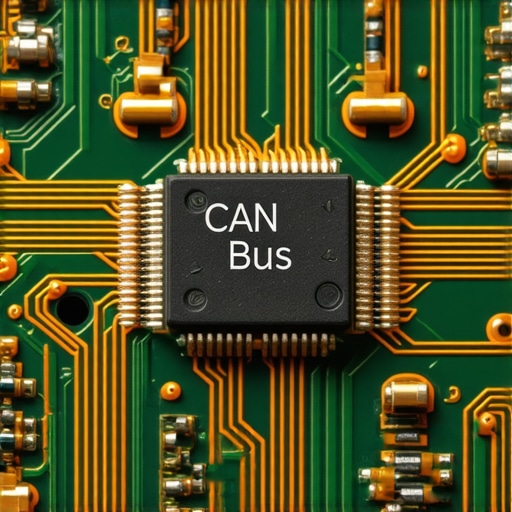
In contemporary automotive architecture, control modules do not operate in isolation. They communicate across a high-speed multiplex network known as the Controller Area Network, or CAN bus. The engine computer, TCM, anti-lock braking system (ABS), and body control module (BCM) are constantly exchanging packets of data at microsecond intervals. If this data stream is interrupted by a damaged wire, a corroded terminal, or electromagnetic interference from an aftermarket accessory, the transmission will instantly lose critical throttle and wheel speed inputs.
When a packet of information is lost on the network, the TCM enters a fail-safe state to prevent mechanical destruction. This often locks the transmission into a single forward gear—typically third or fourth gear—known as “limp-home mode.” Because the vehicle struggles to accelerate from a stop in such a high gear, drivers often mistake this sluggishness and lack of gear changes for a completely blown transmission. A diagnostic strategy that overlooks CAN bus integrity risks replacing perfectly functioning mechanical hardware. Technicians certified by organizations like the National Institute for Automotive Service Excellence (ASE) know that back-probing the network lines with an oscilloscope to check for clean square-wave signals is the only way to rule out these complex digital communication dropouts. If you suspect your vehicle is throwing false codes due to network noise, look into our diagnostic tips or schedule a professional inspection to prevent costly misdiagnoses.
How Do I Diagnose a Failing Torque Converter Clutch Solenoid?
The torque converter clutch (TCC) solenoid is responsible for locking the engine’s output shaft directly to the input shaft of the transmission at highway speeds, eliminating hydraulic slip and improving fuel economy. When this solenoid fails electrically, it can cause a shuddering sensation that feels exactly like driving over rumble strips, or it may fail to release when you come to a stop, causing the engine to stall. To isolate a TCC issue from a mechanical engine misfire, pay close attention to your tachometer while tapping the brake pedal lightly with your left foot while maintaining speed with your right; if the RPMs do not jump up slightly when the brake lights illuminate, the TCC lockup function is failing to disengage, pointing directly to a solenoid or control circuit fault.
Micro-Voltages and Macro-Problems in Modern Gearboxes
When dealing with modern six, eight, or ten-speed automatic transmissions, the tolerance for electrical variance is practically zero. Inside the mechatronic unit—where the computer control module and the hydraulic valve body are merged into a single submerged component—even a tiny thermal expansion can cause micro-cracks in the lead frame circuit. This circuit delivers low-voltage commands to the shift solenoids. When the transmission fluid reaches full operating temperature, these micro-cracks expand, breaking the electrical path and causing sudden, erratic gear hunting or total loss of drive. Because this failure is temperature-dependent, a cold vehicle will perform flawlessly, only to fail after fifteen minutes of driving.
To diagnose these thermal-electrical anomalies, advanced technicians do not rely on static resistance tests. Instead, they utilize a specialized testing procedure outlined in the technical resources of the International Automotive Technicians Network (iATN). By monitoring real-time solenoid current draw with an oscilloscope while heating the mechatronic unit, professionals can watch the solenoid control waveform degrade in real time. This level of precision prevents the premature condemnation of expensive mechanical gear sets and targets the exact electronic component responsible for the failure.
Can a Dying Car Battery Mimic Complete Transmission Failure?
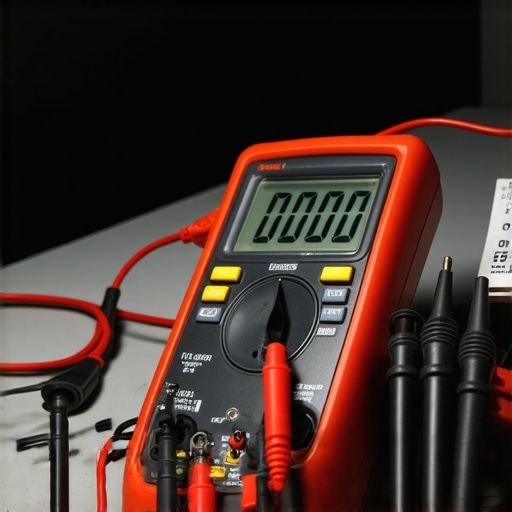
Yes, a weak or sulfated car battery is one of the most common causes of false transmission codes and severe slipping sensations. During a cold start, the starter motor draws massive amperage, causing the vehicle’s system voltage to temporarily drop below nine volts. While the engine may still successfully turn over and start, this severe voltage dip temporarily starves the Transmission Control Module (TCM) of required operating power. The under-voltaged TCM boot-up sequence becomes corrupted, placing the solenoids into default lockup states or fail-safe modes. If you experience harsh initial shifting into reverse or drive first thing in the morning, testing your battery’s cranking capacity under load is the logical first step before authorizing any major mechanical teardown.
The Critical Role of Temperature Sensors in Shift Quality
Inside the transmission oil pan sits a tiny, easily overlooked sensor: the transmission fluid temperature (TFT) sensor. This thermistor changes its electrical resistance based on the temperature of the surrounding oil. The TCM monitors this resistance to adjust shift timing and line pressure dynamically. Because cold transmission fluid is highly viscous, the TCM must command higher solenoid pressures to achieve smooth shifts. As the fluid warms up and thins, the computer reduces these pressures to prevent harsh, neck-snapping gear changes.
If the TFT sensor fails and becomes stuck reporting a constant cold reading, the TCM will continue to apply maximum line pressure even when the transmission is blistering hot. This results in incredibly harsh shifting and rapid wear on the internal mechanical mounts. Conversely, if the sensor falsely reports that the unit is overheating, the computer will aggressively alter torque converter lockup and shift patterns to reduce heat, mimicking a slipping clutch. Before assuming your internal gears are destroyed, always verify that the live data stream from the TFT sensor matches actual operating temperatures. If you want to keep your entire vehicle operating in its optimal temperature window, take a moment to explore our recommended schedule for a complete tune up to address cooling and ignition efficiency before issues escalate.
Expert Insights & Advanced Considerations
Why Cold Resistance Tests Miss Failing Solenoids
Many technicians make the mistake of measuring solenoid resistance on a cold vehicle. While a coil might register the perfect factory specification at room temperature, internal microscopic wire fractures expand when exposed to continuous operating temperatures. To avoid a misdiagnosis that leads to a costly rebuild, always monitor real-time solenoid current draw under load while observing thermal expansion. For those looking to master general electrical diagnostics before diving into complex valve bodies, you can learn to spot a dying alternator with a simple multimeter trick.
The Hidden Danger of High-Pressure Flushes
Forcing high-pressure detergent flushes through older gearboxes often creates more problems than it solves. This aggressive cleaning action dislodges accumulated metallic varnish from dormant corners of the casing and drives it directly into the highly sensitive spool valves. If your vehicle experiences harsh shifting after a service, look into replacing the accumulator spring for a budget-friendly fix rather than condemning the entire unit.
Why Battery Health Dictates Shift Quality
Modern transmission control modules are highly sensitive to initial cranking voltage drops. If a battery drops below nine volts during startup, the transmission computer may boot up in a corrupted state, locking itself in limp-home mode. Before assuming your clutches have burned out, resolve starting and power delivery issues by looking into the quick battery terminal fix that stops random no-start issues.
Curated Expert Resources
The International Automotive Technicians Network (iATN)
An invaluable, peer-reviewed global network of professional mechanics sharing real-world diagnostic waveforms, case studies, and technical bulletins concerning complex mechatronic failures.
The Society of Automotive Engineers (SAE) Technical Library
The definitive source for accessing original engineering standards and research papers regarding CAN bus network protocols and modern adaptive learning algorithms.
The National Institute for Automotive Service Excellence (ASE)
Provides highly structured training materials and certification guidelines that establish the industry-standard diagnostic flowcharts for electronic drivetrain systems.
Final Expert Perspective
Navigating the boundary between physical mechanical damage and modern electronic glitches requires a systematic, data-first diagnostic mindset. Too often, a simple grounding fault, a failing temperature sensor, or a corrupt adaptive learning matrix is misdiagnosed as physical wear, leading to unnecessary and expensive rebuilds. By prioritizing precision testing over hasty parts-replacement, you protect both your wallet and your vehicle. When addressing these complex drivability issues, ensuring proper engine and sensor efficiency is key; check out these essential tune-up tips to boost performance. What unusual electronic anomalies have you encountered in your diagnostic journey? Share your experiences in the comments below, or connect with our community of professional technicians to discuss your latest complex repair projects.