Carbon Deposits Are Quietly Strangling Your Engine Efficiency
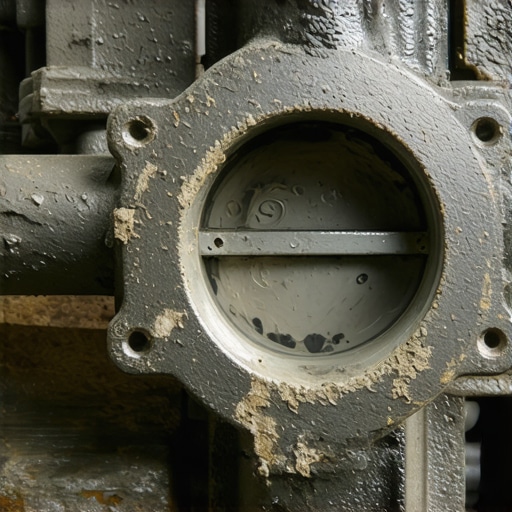
In the world of internal combustion, the throttle body serves as the critical gateway for air intake, modulating the exact volume of oxygen required for combustion. However, as mileage accumulates, blow-by gases and oil vapors from the PCV system naturally settle on the butterfly valve and the bore. This buildup, often dismissed by casual observers as mere soot, fundamentally alters the airflow dynamics. When this residue narrows the tight tolerances required for a stable idle, the Engine Control Module (ECM) must compensate by adjusting fuel trim and timing. This constant battle for equilibrium is a primary reason why a vehicle might require more frequent comprehensive vehicle maintenance to maintain peak performance.
The Physics of Restricted Airflow
A dirty throttle body doesn’t just block air; it creates turbulence. Modern fuel-injected engines rely on laminar flow for precise sensor readings. When the butterfly valve cannot close completely or moves with a slight hesitation due to carbon stickiness, the volumetric efficiency of the engine drops significantly. This lack of precision forces the fuel injectors to over-spray to prevent a lean stall, directly leading to that 5 MPG deficit. Professional diagnostic strategies often reveal that what seems like a failing sensor is actually a simple mechanical obstruction within the intake tract.
Why does my engine surge while stopped at a light?
When you are at a standstill, the throttle plate is nearly closed, and the engine relies on a tiny amount of air passing through a bypass or around the edge of the plate. Carbon buildup acts as a physical shim, confusing the Idle Air Control (IAC) system. The ECM detects an RPM drop, panics, and opens the air passage wider, causing the RPM to jump—a cycle known as hunting. This instability isn’t just annoying; it puts unnecessary strain on your torque converter and transmission. If you notice these symptoms, it is vital to consult a skilled mechanic before the soot migrates deeper into the intake manifold.
Precision Maintenance Prevents Component Failure
Neglecting the throttle body often leads to a cascade of expensive auto repair needs. For instance, the increased vacuum pressure caused by a restricted intake can prematurely wear out gaskets and seals. According to technical documentation from the Society of Automotive Engineers (SAE), maintaining clean intake surfaces is paramount for the longevity of the catalytic converter, as rich-running conditions caused by airflow issues will eventually melt the internal ceramic substrate. A proactive tune up that includes a throttle body cleaning and an adaptation reset can restore the factory-spec fuel economy you’ve been missing. If your vehicle feels sluggish or the idle is erratic, don’t wait for a check engine light—examine your intake components today to see if carbon is robbing you at the pump.
Don’t Let a Dusty Sensor Lie to Your Computer
Beyond the physical blockage of the throttle body, the electronics that govern your air-fuel mixture are equally susceptible to contamination. The Mass Air Flow (MAF) sensor is a precision instrument that uses a heated wire to determine the mass of incoming air. Even a microscopic layer of oil or dust acting as an insulator on this wire can cause the sensor to report less air than is actually entering the engine. This data mismatch results in a lean-run condition that the Engine Control Module (ECM) tries to correct by dumping excess fuel, effectively negating any tune up strategies to save money on auto repairs you may have recently implemented. Performing the 10-dollar cleaning move that saves your MAF sensor is often the missing step in restoring crisp throttle response and optimal fuel mapping.

Is your engine’s internal timing fighting against your wallet?
Variable Valve Timing (VVT) systems rely on consistent oil pressure to advance or retard the camshafts for maximum efficiency. When sludge builds up from poor maintenance, these solenoids stick or react slowly, preventing the engine from breathing efficiently at highway speeds. This is why cheap synthetic oil might be killing your variable valve timing and dragging down your fuel economy by several points. If your vehicle feels sluggish under load, it is a sign that the mechanical timing is no longer in sync with the electronic demands of the computer. Using high-quality lubricants and ensuring the VVT solenoids are free of debris can prevent the need for a full engine teardown later.
Atomization is the Difference Between Combustion and Waste
When fuel injectors become partially clogged, they do not just spray less fuel; they spray larger droplets that fail to vaporize correctly. These droplets do not burn completely during the power stroke, leading to unburnt fuel exiting the exhaust and fouling your oxygen sensors. According to technical training data from the National Institute for Automotive Service Excellence (ASE), maintaining fuel system cleanliness is critical because modern high-pressure systems are sensitive to even micron-level debris. If you are experiencing a rough idle or a dip in performance, learning how to diagnose a bad fuel injector at home can save you from a costly misdiagnosis at a repair shop. Furthermore, ensuring your ignition system is robust is paramount; using the 11-dollar tool every driver needs to check their own spark plugs allows you to verify that the spark gap is wide enough to ignite the mixture but not so wide that it causes a micro-misfire. Have you ever noticed a sudden drop in MPG after a simple oil change? Share your experiences in the comments below or let us know which diagnostic tool has saved you the most money this year.
Stop Ignoring the Ghost in the Cylinder
While most drivers associate a failing ignition coil with a violent shudder or a flashing check engine light, there is a subtle middle ground known as the “micro-misfire.” This occurs when the coil’s secondary windings begin to break down, delivering a spark that is physically present but lacks the thermal energy to initiate a complete flame front. Under light load, the engine feels fine, but under the high-pressure conditions of acceleration, the spark “blows out” or arrives late. This incomplete combustion sends raw hydrocarbons into the exhaust, which the upstream oxygen sensor perceives as a rich condition, causing the ECM to pull back fuel and inadvertently starve the engine of power. This invisible cycle is a frequent culprit behind a 10-15% drop in efficiency that diagnostic scanners often miss during a static idle test.
Can a “lazy” oxygen sensor ruin your gas mileage without triggering a code?
Absolutely. Most modern vehicles are programmed with a wide tolerance for oxygen sensor response times. A brand-new sensor might switch from lean to rich several times per second, but as they age and become “lazy” due to silica or phosphorus poisoning, that switching speed slows down. The Engine Control Module (ECM) won’t trigger a P0133 code until the sensor is catastrophically slow. In this twilight zone of performance, the engine spends too much time on the rich side of the stoichiometric ratio. According to technical bulletins from Bosch Mobility Solutions, even a minor delay in sensor feedback can lead to a significant increase in fuel consumption because the closed-loop system is essentially operating on outdated information.

Why Perfect Spark Gaps Aren’t Just for Race Cars
The gap between a spark plug’s electrodes is measured in thousandths of an inch, yet it dictates the entire efficiency of the power stroke. Over tens of thousands of miles, the electrical arc literally sandblasts the metal away, widening this gap. A wider gap requires a higher voltage to bridge, which puts immense thermal stress on the ignition coils and wires. If the gap becomes too wide for the coil to jump consistently, you get a partial burn. Conversely, a gap that is too small produces a tiny spark kernel that may not ignite the fuel-air mixture quickly enough to reach peak cylinder pressure at the optimal crank angle. This mechanical timing error means you are burning fuel to generate heat rather than kinetic energy.
Clear the Path for Spent Gases
Engine efficiency is a two-way street; what goes in must come out with minimal resistance. Exhaust backpressure is the silent enemy of the four-stroke cycle. If a catalytic converter is partially restricted—perhaps from the very carbon deposits or fuel injector issues discussed earlier—the piston must work harder to push exhaust gases out of the cylinder during the exhaust stroke. This “pumping loss” is essentially your engine fighting itself. High-performance mechanic secrets to unlocking hidden horsepower often start with verifying that the exhaust path is unobstructed. When backpressure rises, residual exhaust gases remain in the combustion chamber, diluting the fresh intake charge and forcing the ECM to adjust timing, which further degrades your miles per gallon. Identifying these bottlenecks requires a specialized pressure gauge, but the fuel savings from a free-flowing exhaust system often pay for the repair within months. Have you ever felt your car “choke” when trying to merge onto the highway?
Your Car’s Computer Silently Fights a Losing Battle with Fuel Trim
While you may not see a check engine light, your vehicle’s Engine Control Module is likely working overtime to hide burgeoning mechanical flaws through a process known as adaptive fuel trimming. This electronic compensation allows the computer to add or subtract fuel based on feedback from the oxygen sensors, striving to maintain the ideal stoichiometric ratio. Short-term trims react to immediate changes, but the long-term fuel trim (LTFT) reveals the persistent reality of your engine’s health. If your LTFT is consistently high—meaning the computer is adding extra fuel—it is likely compensating for an unmetered air leak or failing fuel delivery. This electronic masking means your car can feel functional while silently wasting gasoline and overheating your catalytic converter. Monitoring these values via the OBD-II port is an advanced diagnostic strategy that helps you catch problems long before a breakdown occurs.
How do I identify carbon tracking before it kills my ignition coils?
Carbon tracking happens when high-voltage electricity finds a path along the exterior of the spark plug insulator or the internal walls of the coil boot. These microscopic scorched lines act as a literal shortcut for energy, bypassing the combustion chamber entirely. Usually triggered by moisture or road salt entering the spark plug well, carbon tracking causes a rhythmic, subtle hesitation often misidentified as a failing transmission. Using a specialized silicone-based dielectric grease during your next tune up is a professional-grade prevention method to seal out contaminants and ensure the spark stays where it belongs—inside the cylinder.
Direct Injection Engines Face a Dry Valve Problem
The move to Gasoline Direct Injection (GDI) revolutionized efficiency, but it created a unique maintenance challenge: intake valve carbonization. In traditional port-injection systems, the fuel spray acted as a solvent, washing the valves clean of oily residues. In a GDI setup, fuel enters the cylinder directly, leaving the intake valves dry and prone to building up a rock-hard crust of baked-on oil vapors. This buildup disrupts the tumble and swirl of air entering the engine, significantly hindering combustion quality. According to technical bulletins from Delphi Technologies, even a moderate layer of carbon on these stems can slash volumetric efficiency by over 10%. Without the cleaning action of fuel, owners must rely on manual walnut blasting or specialized chemical cleanings to restore lost power and MPG.
A Simple 20-Dollar Valve Could Save Your Intake from Sludge
The Positive Crankcase Ventilation (PCV) valve is a humble component that manages the internal pressures of your engine, yet its failure can be catastrophic for your fuel economy. If the valve sticks open, it creates a massive vacuum leak and pulls excessive oil mist into the intake manifold, further accelerating the carbon issues mentioned earlier. A stuck-closed valve is even worse, as it allows pressure to build until it forces oil past your main seals or into the air box. If you notice a film of oil in your intake ducting, it is time to consult a skilled mechanic to verify the PCV system. Don’t let a cheap plastic valve lead to an expensive top-end teardown; start tracking your fuel trims today and see if your engine is hiding a secret efficiency problem.
Advanced Diagnostics and Professional Safeguards
Monitor Your Long-term Fuel Trim Before Parts Fail
While most drivers wait for a dashboard warning, an expert tech looks at the live data stream. Your long-term fuel trim (LTFT) acts as a window into the engine’s soul, showing exactly how much the computer is compensating for mechanical wear. If you see numbers climbing above positive 10 percent, your car is fighting a vacuum leak or a failing fuel delivery system. Mastering these mechanic tips diagnosing common auto problems allows you to catch efficiency killers before they melt a catalytic converter.
Seal Out Moisture to Prevent Dangerous Carbon Tracking
High-voltage electricity always seeks the path of least resistance. Over time, microscopic scorched lines called carbon tracking develop on the exterior of spark plugs, leading to misfires that bypass the combustion chamber entirely. This is why a thorough inspection is part of the ultimate tune up checklist for every car owner. Applying a small amount of dielectric grease to the coil boots acts as a professional-grade barrier against moisture and road salt, ensuring that every spark produces power rather than heat.
Swap This Cheap Plastic Valve to Save Your Main Seals
A failing PCV system is often the root cause of high oil consumption and ruined intake efficiency. When the valve sticks, it allows crankcase pressure to skyrocket, forcing oil past gaskets and into the air intake. Investing in the 9 pcv valve that stops your engine from consuming oil is one of the highest ROI maintenance moves you can make. It keeps the intake tract dry and prevents the thick carbon crust from forming on your valves, which is essential for maintaining the laminar airflow required for peak MPG.
#IMAGE_PLACEHOLDER_E#
Reliable Sources to Deepen Your Mechanical Knowledge
For those looking to move beyond basic maintenance, the Society of Automotive Engineers (SAE) provides peer-reviewed technical papers on volumetric efficiency and fuel atomization. The National Institute for Automotive Service Excellence (ASE) offers study guides that break down the physics of modern engine management systems. Additionally, Bosch Mobility Solutions provides exhaustive documentation on oxygen sensor response times and the evolution of wideband sensor technology, which is critical for understanding closed-loop fuel control.
Synthesizing Professional Performance Standards
Achieving factory-spec efficiency in a high-mileage vehicle requires more than just replacing parts; it requires a holistic understanding of how air, fuel, and spark interact. By addressing the micro-misfires, monitoring fuel trims, and ensuring the mechanical timing is precise, you can implement tune up strategies to save money on auto repairs that actually stick. You might even consider learning how to index your spark plugs for better efficiency to eke out every last bit of energy from the combustion stroke. We invite you to share your diagnostic wins or ask about specific performance hurdles in the community discussion below—your expertise helps every driver stay on the road longer.