Why Small Combustion Leaks Bypass Traditional Dashboard Warnings
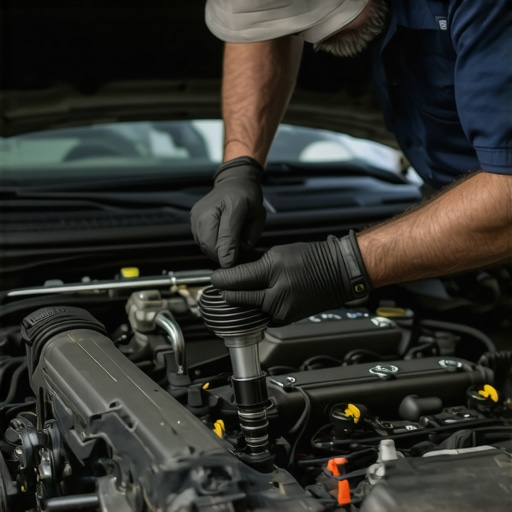
Engine cooling systems operate under highly balanced thermodynamic principles. When a cylinder head gasket begins to fail, microscopic pathways open between the combustion chamber and the coolant jackets. In these early stages, your vehicle’s dashboard temperature gauge might remain completely stable. Relying solely on dashboard indicators often leads to catastrophic engine damage before the driver realizes a problem exists. By performing an analytical diagnostic assessment at home, you can intercept this failure before it compromises the structural integrity of your cylinder head.
Understanding the chemistry of these early-stage leaks is critical. When combustion gases escape into the cooling system, they introduce carbon dioxide and other acidic compounds, altering both the pressure dynamics and the chemical composition of the coolant. Professional technicians often utilize chemical block testers to detect these combustion gases, but simpler physical diagnostics can provide immediate, actionable clarity. Regular automotive maintenance is the key to preventing these compound failures. If you want to keep your vehicle operating within its peak design parameters, review the ultimate tune up checklist for every car owner to systematically evaluate your engine’s health.
The Dual-Method Home Diagnostic Protocol
To confirm a compromised head gasket without expensive diagnostic laboratory tools, you can execute two distinct, highly reliable physical tests right in your garage. Both methods target the physical symptoms of combustion gas migration.
The Thermal expansion and Radiator Bubble Test
This test focuses on detecting positive pressure leakage from the cylinders directly into the cooling passages. Start with a completely cold engine. Remove the radiator cap and fill the neck to the absolute top with fresh water or coolant. Start the engine and watch the fluid level. If you immediately observe a steady stream of bubbles rising to the surface, or if a geyser of coolant shoots out upon ignition, combustion pressure is actively leaking into the cooling jackets. This is an indisputable sign of mechanical failure between the combustion chamber and the water jacket.
The Chemical Soap Barrier Technique
If the bubble test is inconclusive due to a very slow leak, you can employ a highly sensitive chemical barrier technique. By using a specialized solution, you can trap escaping gases at the cooling system’s highest point to observe micro-leaks. For a step-by-step breakdown of how to construct this physical barrier, read our guide on how to detect a blown head gasket with soapy water. Additionally, checking for chemical cross-contamination is vital. If your oil resembles chocolate milk, or if you notice your coolant turning brown, you should immediately read about why your coolant looks like chocolate milk and what to do next to prevent severe bearing damage.
Why Does Coolant Migrate Into the Combustion Chamber After Hot Shutdown?
Many drivers wonder why an engine might burn coolant upon startup but perform relatively normally while running. This phenomenon is caused by thermal contraction during the hot shutdown phase. When you turn off a fully warmed engine, the water pump stops, but the engine block retains massive thermal energy. This thermal soak causes local pressures in the cooling system to rise above the rapidly dropping pressure inside the stagnant cylinders. The cooling system, remaining pressurized at roughly 15 PSI, slowly forces coolant through the head gasket micro-crack into the combustion chamber as the metal contracts. Upon the next startup, this accumulated coolant burns off as white, sweet-smelling smoke. If you are experiencing these complex symptoms, you can consult with leading certified master technicians via the National Institute for Automotive Service Excellence (ASE) resource directory to locate validated local diagnostic facilities. We also invite you to share your diagnostic findings or ask questions about complex engine symptoms by visiting our contact page to engage directly with our technical editorial team.
Microscopic Integrity Failures That Do Not Trigger Fault Codes
Modern engine control units are programmed to recognize severe, sustained deviations from target operating parameters. When a head gasket develops a micro-leak, the onboard diagnostics system often fails to register a trouble code. This silence happens because the misfire counter may not reach the strict threshold required to illuminate the check engine light, or the oxygen sensor manages to temporarily compensate for the slight chemical imbalance in the exhaust stream. Relying on your vehicle’s computer to warn you of early-stage structural failure is a dangerous strategy that often results in warped cylinder heads and costly machining bills.
These silent failures frequently disguise themselves as other minor mechanical issues. For instance, a tiny cooling system leak can cause a rough idle upon cold startup that disappears within thirty seconds, prompting owners to mistakenly replace spark plugs or ignition coils. If your vehicle exhibits a temporary rough idle before smoothing out, you should investigate further. Learning why your engine vibrates only while youre waiting at red lights can help you distinguish between simple mounting wear, fuel delivery issues, and the early stages of combustion pressure loss.
Are You Misinterpreting the True Source of Your Coolant Loss?
Many vehicle owners spend hundreds of dollars chasing mystery coolant loss by replacing radiator caps, water pumps, and hoses, only to find the reservoir level continuing its steady drop. When a head gasket suffers from micro-fissures, coolant is drawn directly into the combustion chamber during the intake stroke. Because the volume of fluid consumed in each cycle is incredibly minute, it vaporizes instantly and passes through the exhaust system without creating the classic thick, white smoke plume associated with catastrophic failures. This slow consumption quietly poisons your catalytic converter over time, turning a mechanical sealing issue into an expensive emissions system replacement.

To stop wasting money on trial-and-error part replacement, you must learn to isolate the physical symptoms of a true internal leak. Before you authorize expensive engine teardowns, it is wise to rule out simpler sealing problems nearby. For example, replacing a simple the 8 gasket that fixes a persistent oil leak under the intake can resolve confusing fluid loss patterns that mimic more severe block issues. Systematic isolation is the hallmark of a skilled diagnostic technician.
The Thermal Dynamics of Post-Shutdown Fluid Migration
The danger of a micro-leak peak is not during high-speed highway driving, but rather during the heat-soak period after you turn the key off. When the engine stops, the cooling system remains pressurized at its operating limit, while the combustion chamber pressure drops to atmospheric level. Without the opposing force of combustion, coolant is slowly pushed through the microscopic gasket gap. According to technical training bulletins published by the Society of Automotive Engineers (SAE), this thermal equalization process is the primary cause of localized cylinder corrosion and hydrostatic lock risks in modern bi-metal engines.
When this migrated fluid pools on top of the piston, it physically prevents the air-fuel mixture from compressing smoothly during the next start cycle. If you hear a brief, harsh metallic metallic thud when turning the key, do not ignore it. We highly recommend reviewing our detailed diagnostic checklists to identify subtle warning signs before they lead to bent connecting rods. If you have encountered a mysterious drop in your coolant reservoir without visible puddles on your driveway, leave a comment below or share this guide with a fellow enthusiast to help them avoid a catastrophic engine rebuild.
How Metals Misbehave Under Cyclic Thermal Fatigue
To truly understand why some head gasket repairs fail within thousands of miles, one must look beyond the gasket itself to the metallurgical properties of the engine block and cylinder head. Modern engines predominantly pair aluminum cylinder heads with cast-iron or aluminum engine blocks. These materials possess drastically different coefficients of thermal expansion. Under cyclic thermal load, the aluminum head expands at roughly twice the rate of cast-iron, creating a physical scrubbing action across the gasket surface. Over time, this shear stress can shear the microscopic sealing binder of even the highest-grade multi-layer steel (MLS) gaskets, allowing combustion pressure to sneak past.
Why Do Some Leaks Only Occur Under Boost or High Load?
A frustratingly common scenario for performance enthusiasts and heavy-duty truck owners is the intermittent high-load leak. The engine may idle perfectly, pass a cold block test, and drive around town without losing a single drop of coolant. However, once the engine is subjected to high manifold pressure (boost) or heavy towing up a grade, the coolant reservoir begins to overflow. This is caused by transient cylinder head lifting. Under extreme cylinder pressure, the cylinder head bolts actually stretch by microscopic fractions of a millimeter, allowing the combustion fire ring to momentarily unseat. This allows high-pressure exhaust gas to escape into the cooling system before the head snaps back into place as the load decreases.
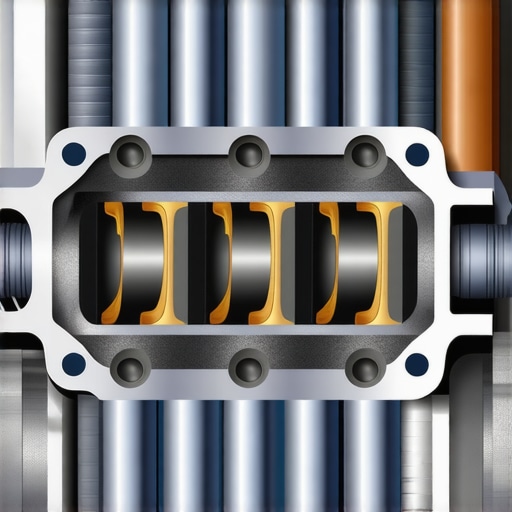
This transient behavior makes traditional shop diagnostics almost useless, as the engine is rarely under load while sitting on a lift. Diagnosing this requires a specialized pressure transducer connected to the cooling system, linked to a digital storage oscilloscope during a road-test session. If you observe rapid pressure spikes corresponding directly with throttle application or turbocharger boost, you are dealing with a structural clamping issue. To ensure your engine fastening systems are up to the task, we recommend consulting the technical standard guidelines on fastener elongation provided directly by the Industrial Fasteners Institute. Understanding clamping load dynamics can prevent you from chasing non-existent cooling system faults.
The Long-Term Damage of Exhaust Gas Chemistry in Coolant
When combustion bypasses the seal, it does more than just push coolant out of the overflow tank; it actively destroys the chemistry of your engine\’s corrosion inhibitors. Exhaust gas consists of nitrogen oxides, carbon monoxide, and water vapor mixed with unburned fuel. When forced into a hot, water-based fluid, these gases react to form highly corrosive acids, specifically nitrous and carbonic acids. This process rapidly drops the pH of your coolant from its neutral or slightly alkaline state into a highly acidic range.
Once the coolant becomes acidic, it begins to strip away the protective oxide layer inside aluminum water passages. This accelerates a destructive process known as galvanic corrosion, where dissimilar metals in the cooling loop start trading ions, sacrificing the softest aluminum components. Over time, this chemical degradation can eat away the sealing flange of the cylinder head itself, creating microscopic pits that no new head gasket can ever hope to seal without extensive machine shop resurfacing. Monitoring your coolant\’s pH with professional test strips is a critical, yet often ignored, preventative maintenance step that can save you thousands of dollars in machining costs.
Beyond the immediate physical displacement of fluids, the chemically corrosive nature of combustion byproducts introduces an insidious degradation loop. Exhaust gases containing sulfur dioxide and nitric oxide combine with the water-glycol mixture to form strong mineral acids. This structural acidification rapidly depletes the reserve alkalinity of modern Organic Acid Technology (OAT) or Hybrid OAT (HOAT) coolants, rendering their anti-corrosive inhibitors useless. Once the protective barrier on the internal cooling passages is stripped, galvanic corrosion accelerates at a rapid rate, especially where aluminum and cast-iron interfaces meet.
How to Test Coolant pH to Catch Cylinder Head Erosion Early
To detect this chemical breakdown before it permanently pits the aluminum mating surfaces of your cylinder block, you can perform a simple electrochemical test. Dip a digital pH meter or high-precision laboratory litmus paper directly into the radiator neck of a cold engine. Healthy coolant should maintain a slightly alkaline pH between 8.5 and 10.5. If your reading drops below 7.0, the fluid has turned acidic, confirming active combustion gas contamination. For professional-grade specifications and chemical safety standards, you can refer to the comprehensive lubrication guidelines maintained by the American Society for Testing and Materials (ASTM).
Why Do High-Tensile Head Bolts Yield Under Extreme Engine Temperatures?
Many modern engines utilize Torque-to-Yield (TTY) head bolts, which are engineered to stretch permanently to their plastic zone during installation to provide a highly uniform clamping force. However, when an engine undergoes an extreme overheating event, the aluminum cylinder head expands at a much faster rate than the steel bolts. This expansion forces the TTY bolts past their designed elastic limit and into further plastic deformation. Once cooled, the bolts do not contract back to their original length, resulting in a permanent loss of critical clamping pressure across the gasket fire ring. This is why reusing TTY head bolts during a gasket replacement is guaranteed to cause immediate sealing failure.
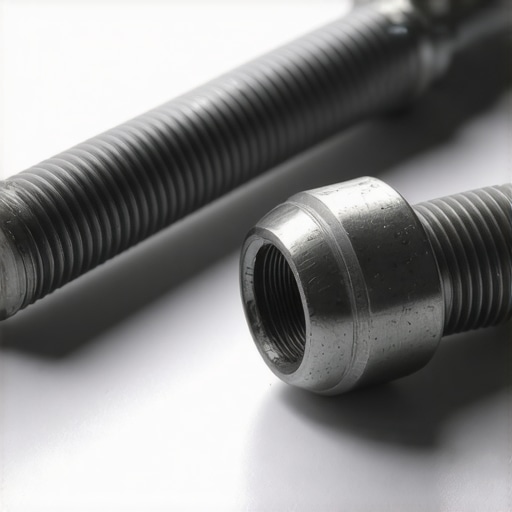
When executing a cylinder head rebuild, always replace these fasteners with new OE-spec bolts or high-strength aftermarket studs. To prevent future dynamic sealing failures and guarantee structural integrity, we invite you to reach out to our team of automotive experts through our contact page to receive tailored technical guidance for your specific engine platform.
Expert Insights & Advanced Considerations
The Illusion of the Perfect Idle
Many diagnostic technicians fall into the trap of assuming a smooth-running engine is free of sealing compromises. Because a minute head gasket fissure only opens under specific thermal conditions or high combustion pressures, standard compression tests and idle-state examinations often yield false negatives. To catch these transient failures before they escalate, you must monitor dynamic cooling system pressures during a controlled road test.
Why Surface Roughness Standards Matter More Than Gasket Material
When upgrading to a high-performance multi-layer steel (MLS) gasket to combat extreme combustion pressures, many DIY mechanics overlook the critical peak-to-valley surface finish of the deck. Cast-iron blocks tolerate rougher finishes, but modern aluminum heads require an exceptionally smooth, mirror-like RA (Roughness Average) rating to seal properly. Installing a premium gasket on a poorly prepped, hand-scraped deck is a guaranteed recipe for premature failure.
The Hidden Risk of Over-Clamping
Increasing the torque on head bolts past their engineered specification is a common, yet dangerous, response to persistent combustion leaks. This over-clamping deforms the cylinder bores themselves, warping the roundness of the top of the cylinder. This structural distortion leads to poor piston ring sealing, increased oil consumption, and localized blowby that mimics a failed head gasket. If you want to systematically isolate these confusing fluid loss patterns, consider studying the essential guide to auto repair keep your vehicle running smoothly to master professional diagnostic theory.
Curated Expert Resources
For those looking to expand their diagnostic capabilities beyond basic garage methods, the following resources provide deep, technical instruction:
- Society of Automotive Engineers (SAE) Technical Papers: Unrivaled, peer-reviewed studies detailing metallurgy, thermal expansion, and the long-term chemical effects of combustion gases on cooling system alloys.
- The Industrial Fasteners Institute (IFI) Reference Manuals: The definitive guide for understanding torque-to-yield bolt characteristics, tension limits, and the physics of joint clamping forces.
- Automotive Service Excellence (ASE) Training Modules: Practical, real-world troubleshooting guides designed by master technicians to help isolate microscopic block, cylinder, and gasket failures systematically.
Final Expert Perspective
Detecting a microscopic combustion leak before it destroys an aluminum cylinder head requires looking past obvious symptoms like white smoke or chocolate-colored oil. By understanding how different metals expand under thermal stress and monitoring the chemical condition of your coolant, you can catch these hidden failures in their infancy. Managing these complex thermal dynamics is key to avoiding catastrophic engine damage. If you have any questions about diagnosing subtle cooling system issues or want to share your own garage findings, please reach out to our team of specialists on our contact page to continue the technical discussion.