Thermal Management and the Critical Role of Radiator Fans
Engine thermal management is the silent guardian of modern internal combustion engines. While many drivers focus on oil changes or brake service, the radiator fan’s role in preventing catastrophic thermal runaway is often overlooked until the temperature gauge enters the danger zone. When a vehicle is in motion, airflow through the radiator is usually sufficient to dissipate heat. However, at idle or in slow-moving traffic, the electric cooling fan becomes the primary defense against head gasket failure and warped cylinder heads. Professional technicians recognize that a fan failure is rarely a single-point issue; it is often the final symptom of a failing relay, a compromised temperature sensor, or degraded wiring harnesses. Understanding how to isolate these components can save thousands in avoidable auto repair costs.
Catch the Warning Signs Before the Steam Appears
The most obvious indicator of a fan failure is when your engine temp spikes only at stoplights but returns to normal once you reach cruising speeds. This behavior confirms that the radiator is physically capable of cooling the fluid, but lacks the necessary forced induction of air when stationary. Beyond the gauge, listen for the absence of the characteristic hum when the air conditioning is engaged. Most modern vehicles are designed to trigger the high-speed fan setting automatically when the AC compressor is active. If you notice a drop in cooling performance from your vents while sitting in traffic, it’s a strong signal that the fan or its controller is failing. Many owners misdiagnose this as a refrigerant leak, but as highlighted in our mechanic tips for diagnosing common auto problems, the cooling system is highly interconnected.
Force the Fan to Spin with a Direct Relay Bypass
To determine if the fan motor itself has reached its end of life, you can perform a bypass test. Locate the cooling fan relay in the under-hood fuse box. Using a simple jumper wire, you can bridge the power and load pins (usually pins 30 and 87) to send battery voltage directly to the fan motor. If the fan spins up instantly, the motor is healthy, and your problem lies in the triggering circuit, such as a blown fuse or a faulty relay. According to technical standards established by the Society of Automotive Engineers, electric fan motors are rated for specific duty cycles, and resistance buildup in the windings can eventually lead to intermittent operation before total failure.
Why Does the Fan Stay Off Even When the Engine Is Scorching?
This is a common inquiry in expert forums and usually points to the Coolant Temperature Sensor (CTS) or the Powertrain Control Module (PCM). If the sensor fails to report the correct thermal data, the computer will never “request” the fan to turn on. You can test this by unplugging the CTS while the engine is running; on many vehicles, this triggers a “fail-safe” mode that kicks the fan to 100% speed. If you find yourself frequently adding fluid because of these heat cycles, ensure you follow the correct way to flush your coolant without air pockets to ensure the sensor is actually submerged in liquid rather than an air bubble.
Keep Your Engine Running Cool
Regular maintenance is the only way to avoid the stress of a breakdown. If you are unsure about the electrical health of your vehicle, consider finding a professional mechanic who can perform a comprehensive diagnostic scan to check for stored codes. This ensures your tune up is complete and your vehicle remains reliable.
Stop Ignoring Your Engine’s Electrical Foundation
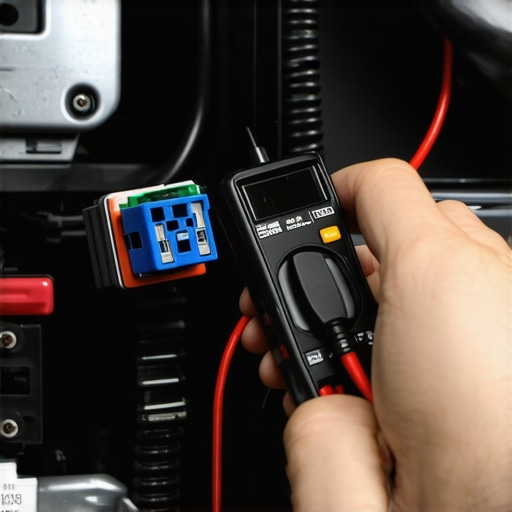
Experienced technicians know that a fan failing to engage often has nothing to do with the motor itself. The electrical circuit for a radiator fan carries a significant current load, and any resistance in the wiring can lead to a voltage drop that mimics a dead motor. Before you rush to order expensive replacement parts, you should check this ground connection first. A green, corroded terminal or a loose mounting bolt can stop the fan in its tracks. In many cases, a simple $12 ground wire is the only difference between a smooth-running engine and a thermal disaster. If you have ever experienced a situation where your engine won’t turn over when hot, it could be a sign of heat soak caused by a fan that isn’t pulling its weight during the shutdown cycle.
Is your car’s computer lying to you about the actual coolant temperature?
Modern vehicles use Pulse Width Modulation (PWM) to control fan speed with precision, but this adds a layer of complexity to your diagnostics. Instead of a simple ‘on/off’ switch, the computer sends a rapid-fire signal to vary the speed based on real-time data. If the signal is garbled or the controller is failing, the fan might spin, but not fast enough to actually cool the radiator. According to the National Institute for Automotive Service Excellence (ASE), nearly 90% of cooling system failures can be prevented through scheduled inspections and fluid analysis that ensures sensors remain clean and accurate. To see what the computer is actually ‘thinking,’ you should use the $20 scanner that every modern driver should own. This allows you to compare the live data stream from the sensor against the physical temperature of the radiator hoses.
The Invisible Aero Parts That Prevent Overheating
Many drivers treat the plastic under-trays and air dams as optional debris shields, often discarding them after they get damaged by a curb. However, these components are engineered to create a low-pressure zone behind the radiator, which helps pull air through the cooling fins even at highway speeds. Without these ‘aero’ parts, the air may simply tumble around the engine bay instead of flowing through the radiator. If your fan is working but the car still runs hot, check for missing plastic shrouding. You can also perform the $12 multi-meter test for your charging system to ensure the alternator is providing the 14.2 volts necessary for the fan to operate at its peak CFM (Cubic Feet per Minute) rating. If you’ve ever had a mystery overheat that only happened in a drive-thru, leave a comment below—I’d love to hear your story and help you pinpoint the specific sensor or relay that might be the culprit.
Verify Your Fan Speed with Simple Tools
If you suspect the fan is spinning too slowly, you can use a non-contact tachometer or simply observe the fan’s behavior when the engine reaches operating temperature. A healthy fan should move enough air to pull a piece of paper against the front of the grill. If the paper falls, the fan is likely underperforming due to aged internal brushes or a weak capacitor in the controller module. Taking the time to verify these small details ensures your car stays on the road and away from the tow truck.
Look for Discoloration on Your High-Amp Connectors
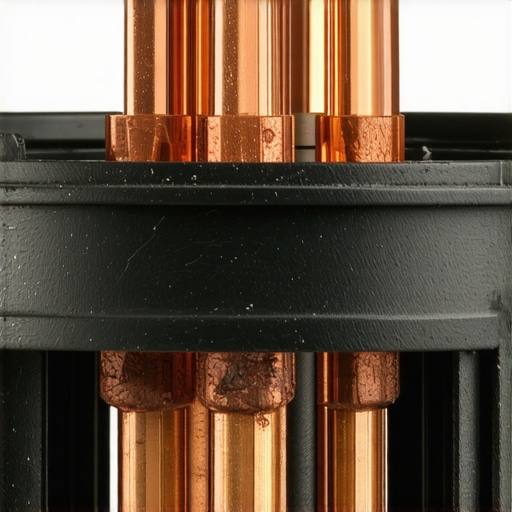
The sheer volume of electricity required to move a radiator fan at 3,000 RPM is enough to reveal any weakness in your vehicle’s wiring harness. Over time, the constant expansion and contraction of the copper pins inside the fan’s pigtail connector can cause them to loosen. This creates a high-resistance junction that generates immense heat, often melting the plastic housing before the fuse even has a chance to pop. If you are performing a tune up and notice any browning or distorted plastic near the fan shroud, you aren’t just looking at a cosmetic issue; you’re looking at a fire hazard that could leave you stranded. Replacing the fan without addressing a charred connector is a recipe for an immediate repeat failure.
Why Variable Speed Fans Often Confuse Amateur Mechanics
We’ve moved far beyond the era of simple ‘on’ or ‘off’ fan switches. Modern vehicles utilize a Pulse Width Modulation (PWM) signal from the PCM to dial in the exact fan speed required for current conditions. This means your fan might spin at 15% capacity just to maintain a steady temperature, which can look like a ‘lazy’ or failing motor to the untrained eye. However, this precision is what allows for maximum fuel efficiency and reduced noise. According to technical documentation from Continental Aftermarket, these brushless DC motors rely on internal logic boards that are sensitive to voltage spikes. If your battery or alternator is struggling, the fan’s control board may enter a limp mode, preventing it from reaching the high-speed setting needed during a summer heatwave. This is why a comprehensive auto repair diagnostic always starts with checking the health of the charging system.
Will a failing fan motor cause your AC to blow warm air at idle?
Absolutely. The condenser for your air conditioning system is usually mounted directly in front of the radiator. It relies on that same fan to pull heat out of the refrigerant. When the fan fails or spins too slowly, the high-side pressure in the AC system skyrockets, causing the compressor to cycle off to prevent damage. If your cabin air suddenly turns humid and warm every time you stop at a red light, don’t rush to buy a can of freon. Instead, check the fan. This is a classic symptom of a cooling system that can no longer manage its thermal load without the help of natural wind. It’s a nuance often missed during a standard brake service or oil change, yet it’s vital for passenger comfort.
Pressure Drops and the Hidden Impact of Debris
Even a perfectly functioning electric motor can’t cool an engine if the airflow path is obstructed. Technicians frequently find ‘road blankets’—a buildup of plastic bags, dried leaves, and road grime—sandwiched between the AC condenser and the radiator. This debris creates a massive pressure drop that the fan cannot overcome. When you’re diagnosing an overheat issue that persists despite a new fan and relay, you must inspect the air gaps between the cooling stacks. Use a low-pressure air hose to blow out the fins from the engine side toward the front of the car. If you have ever struggled with a temperature needle that wanders during uphill climbs, share your experience in the comments; identifying whether it’s a flow restriction or a mechanical failure often requires a bit of ‘detective work’ with a thermal imaging camera. This level of scrutiny is what separates a parts-changer from a true specialist in reliable auto care.
The Critical Relationship Between the Thermostat and Fan Triggering
There is a common misconception that the fan is the primary controller of engine temperature. In reality, the thermostat is the gatekeeper. If a thermostat is stuck partially closed, the hot coolant stays trapped in the engine block while the radiator remains relatively cool. Since the fan’s temperature sensor is often located on the radiator outlet or triggered by the PCM based on radiator temperature, the fan may never turn on because it ‘thinks’ the coolant is cold. This paradox causes the engine to melt down while the fan sits idle, perfectly functional but uninformed. To test this, you need to monitor…the temperature delta across the radiator core using an infrared thermometer. A functional thermostat should allow the radiator to reach operating temperature within minutes of the engine warming up. If the top hose is scorching and the bottom hose stays cold, you have a flow blockage that no amount of fan speed can overcome.
Spot the Thermal Paradox Before the Head Gasket Pops
Experienced owners know that a radiator fan is only as effective as the fluid it’s trying to cool. If your coolant has been neglected, it can undergo a chemical breakdown, leading to ‘silicate dropout’ where solid particles coat the internal tubes of the radiator. This creates an insulating layer that prevents heat from transferring from the liquid to the aluminum fins. Even if your fan is screaming at max RPM, the heat stays trapped in the coolant. This is why a periodic tune up should always include a pH test of your coolant to ensure it hasn’t turned acidic, which can eat away at the fan’s plastic housing and the radiator’s structural integrity.
Why do modern ECU strategies delay fan activation until nearly 220°F?
In the pursuit of peak fuel economy, engineers have pushed operating temperatures higher than ever before. It’s not uncommon for a mechanic to see fans that don’t even twitch until the coolant hits 215°F or 220°F. While this helps thin the oil and reduce friction, it leaves zero room for component fatigue. According to technical bulletins from the Gates Corporation, the high-heat cycles of modern engines accelerate the degradation of EPDM rubber hoses and plastic fan blades, making them brittle and prone to shattering at high speeds. If your fan sounds like a jet engine but the temp keeps climbing, the blades may have flattened out or warped, losing their aerodynamic pitch.
Kill the Resistance That’s Starving Your Fan Motor
Testing for 12 volts at the fan plug with a multi-meter is a great start, but it doesn’t tell the whole story. You must perform a loaded voltage drop test. A corroded wire might show 12.6V when the fan is off, but as soon as the motor tries to pull 30 amps, that voltage could crash to 8V. This ‘electrical starvation’ causes the motor to run hot and slow, eventually burning out the internal windings. If you find yourself frequently needing auto repair for electrical gremlins, inspecting the main power distribution block for signs of heat-induced discoloration is non-negotiable. 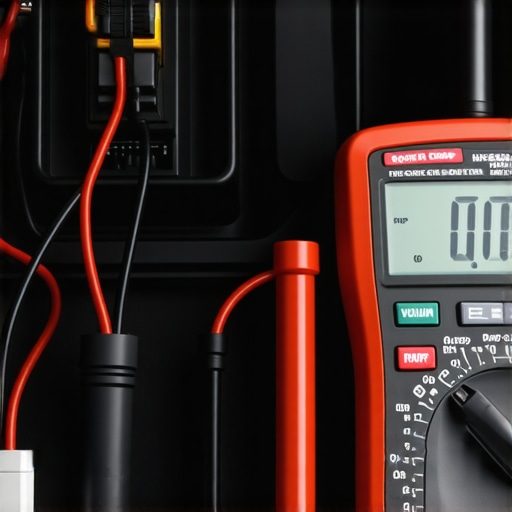 Ensure your battery can handle the sudden load of the fan kicking in; a weak cell can cause a momentary dip in system voltage that confuses the ECU.
Stop Choking Your Radiator with Aftermarket Cosmetic Upgrades
Many enthusiasts install ‘blackout’ grill inserts or heavy-duty winch bumpers without realizing they are sabotaging their cooling system. These modifications disrupt the laminar airflow required for the radiator to function. When you’re performing a brake service or general inspection, look for any obstructions you’ve added that might be creating a ‘dead zone’ in front of the fan. If the fan has to work twice as hard to pull air through a restricted grill, its lifespan will be cut in half. If you’ve dealt with a car that only overheats after a specific modification, share your findings in the comments below—your experience could save another driver from a costly engine rebuild. Finding a balance between aesthetics and reliable auto care is key to a long-lasting vehicle.
Expert Insights & Advanced Considerations
Stop Guessing and Scope the PWM Signal
Technicians often waste hours chasing voltage when they should be looking at the frequency. Modern thermal management systems rely on a Pulse Width Modulation signal to vary speed. If you only use a multi-meter, you might see 12V but miss the fact that the duty cycle is stuck at a measly 5%. For a truly professional diagnostic, you need a tool that can read live data or an oscilloscope to see the square wave signal. This is one of the most critical mechanic tips for diagnosing common auto problems in the digital age.
Why Visual Inspection Trumps a Digital Multi-Meter
A multi-meter is a high-impedance tool that doesn’t put a load on the circuit. This means a single strand of copper wire can show 12 volts, but the circuit will fail the moment the radiator fan tries to pull 40 amps. Professional mechanics look for signs of ‘thermal blooming’—that subtle browning or distortion on the plastic connector housing. This physical evidence of high resistance is a more reliable indicator of impending failure than a static voltage reading. Addressing these electrical bottlenecks is a cornerstone of effective auto repair cost saving tips from industry experts.
Acidic Coolant Destroys More Than Just Seals
We often think of coolant as a lubricant or antifreeze, but its role in preventing electrolysis is vital for the longevity of the cooling system components. When coolant turns acidic, it creates a galvanic cell between different metals in the engine. This can lead to internal clogs in the radiator core, which then prevents the radiator fan from effectively pulling heat out of the engine even if it is spinning at max speed. Every high-level tune up should involve a pH test to ensure the system is chemically stable.
#IMAGE_PLACEHOLDER_E#
Curated Expert Resources
ASE (Automotive Service Excellence): The gold standard for technician certification. Their study guides provide deep dives into electrical system diagnostics and thermal cycles that go far beyond basic owner manuals.
SAE International (Society of Automotive Engineers): Accessing their technical papers offers a masterclass in the aerodynamics of fan blade pitch and the physics of heat dissipation in modern engine bays.
Gates Corporation Technical Bulletins: Gates provides granular data on belt-driven and electric fan failures, specifically focusing on the material science of EPDM rubber and plastic aging in high-heat environments.
Final Expert Perspective
Mastering thermal management requires looking beyond the mechanical components and respecting the complex electrical foundation that powers them. A failing radiator fan is rarely just a dead motor; it is usually a symptom of a system struggling with resistance, chemical imbalance, or signal interference. By utilizing the $20 scanner that every modern driver should own, you can bridge the gap between amateur guesswork and professional-grade diagnostics. If you find your temperature gauge wandering or your AC efficiency dropping, don’t wait for a total meltdown. Taking proactive steps and finding a skilled mechanic who understands these nuances will keep your vehicle on the road and out of the salvage yard. Have you ever encountered a ghost electrical issue that only appeared when your fan kicked in? Join the discussion below and share your technical findings with the community.