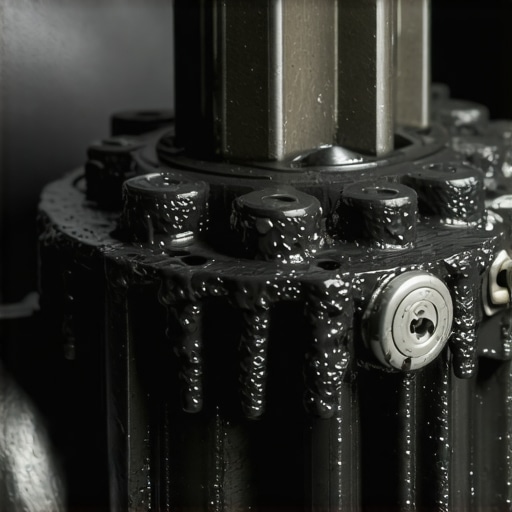
Modern Valvetrains Demand More Than Just Basic Lubrication
Variable Valve Timing (VVT) has revolutionized engine efficiency and performance, yet it has introduced a level of hydraulic sensitivity that many drivers overlook. As a professional mechanic, I have seen a surge in diagnostic trouble codes (DTCs) such as P0011 or P0014, which are often the direct result of using substandard lubricants. Modern engines use motor oil as a hydraulic fluid to actuate cam phasers; when you opt for a bargain-bin synthetic, you are not just risking friction—you are compromising the very system that manages your engine’s breathing. Proper maintenance is more than a simple tune up; it is a safeguard against the premature death of high-precision components. If you are noticing performance dips, it is worth exploring tune up strategies to save money on auto repairs before minor issues escalate into catastrophic failures.
The Engineering Bottleneck of Low-Quality Base Stocks
Cheap synthetic oils often utilize lower-grade base stocks that fail to maintain viscosity under extreme thermal stress. In a VVT-equipped engine, the oil must pass through microscopic screens and solenoids. When low-quality oil shears or oxidizes, it leaves behind varnish and carbon deposits. These contaminants are the primary culprits in sticking solenoids. In the world of auto repair, we frequently find that a ‘failed’ solenoid is actually just a victim of sludge buildup. This is why following mechanic tips for diagnosing common auto problems is essential for any vehicle owner who wants to avoid the high cost of engine teardowns. Unlike a standard brake service where the wear is visible, VVT damage is internal and silent until the check engine light flashes.
Does Your Engine Really Need High-Spec Additive Packages?
Many drivers ask if the expensive ‘Euro-spec’ or ‘High-Performance’ labels are just marketing fluff. The reality is that according to technical standards set by the Society of Automotive Engineers (SAE), specific additive packages are required to prevent oil aeration. Aerated oil—oil with air bubbles—cannot be compressed, which means it cannot properly actuate the VVT phasers. This leads to ‘cam rattle’ on startup and erratic idling. If your car is already showing signs of neglect, such as unusual noises, it might be time to check when to know you need brake service now alongside your engine diagnostics, as fluid integrity affects multiple systems.
Protect Your Investment with Precise Lubrication Standards
The cost difference between a premium synthetic oil and a generic one is usually less than twenty dollars per oil change. Compare this to the $1,500 to $3,000 cost of replacing cam phasers and timing chains. Expert auto repair isn’t just about fixing what is broken; it is about preventing the failure through high-quality consumables. Beyond the engine, ensuring your vehicle remains safe involves regular brake service for safety and longevity. If you want to keep your vehicle running at peak efficiency, I encourage you to share your experiences with different oil brands in professional forums or consult with a specialist to find the specific API rating required for your trim level. Are you ready to optimize your vehicle’s lifespan? Read our ultimate tune up checklist to ensure no critical system is being neglected.
Why Cheap Oil Filters Nullify Your Premium Synthetic Investment
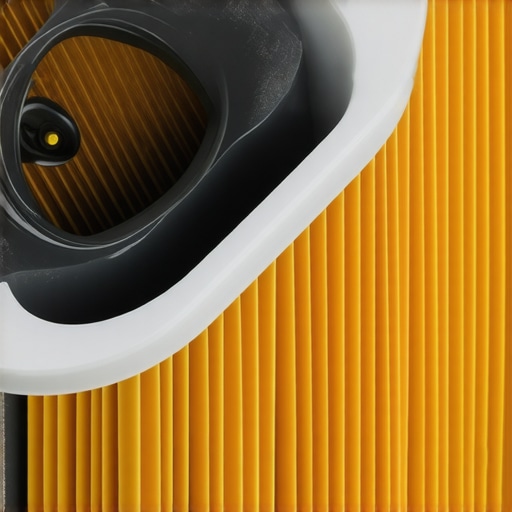
Pairing high-end synthetic oil with a bargain-basement filter is one of the most common mistakes I see in the garage. While the oil itself may be capable of 10,000 miles of protection, a low-quality filter often reaches its holding capacity much sooner. When a filter becomes restricted, the internal bypass valve opens to ensure the engine doesn’t starve for lubrication. This means unfiltered, contaminated oil is circulating directly through your delicate cam phasers and VVT solenoids. This is a primary reason why cheap oil filters are costing you horsepower and fuel economy over time. High-efficiency filters use synthetic-blend media that captures smaller micron particles without sacrificing flow rate, which is vital for maintaining the hydraulic pressure needed for variable timing adjustments.
Can a $15 Valve Really Save Your Entire Gasket Set?
Many drivers blame ‘old age’ for oil leaks, but the root cause is often a neglected Positive Crankcase Ventilation (PCV) system. When this valve sticks or clogs, combustion gases that blow past the piston rings have nowhere to escape. This builds internal pressure that seeks the path of least resistance, usually forcing oil through your valve cover or main seals. I frequently see customers spend hundreds on repairs when the hidden valve that causes poor gas mileage was the real culprit all along. Before you commit to a major engine teardown, employing the 12 valve cover gasket trick for persistent leaks can often reveal if a simple system refresh is all your car needs to stay dry and efficient.
The Hidden Link Between Oil Shear and Fuel Economy
The technical demands on oil have never been higher. According to the American Petroleum Institute (API), the latest SP service category was specifically engineered to mitigate Low-Speed Pre-Ignition (LSPI) in small-displacement, turbocharged engines. When an oil ‘shears,’ it loses its ability to maintain a film between moving parts, increasing internal friction. This friction doesn’t just cause wear; it forces the engine to work harder, consuming more fuel in the process. If you notice your fuel efficiency dropping alongside a darkening of your lubricant, be wary. In extreme cases, if your coolant system fails, you might find that your engine oil looks like a milkshake, a clear indicator of catastrophic internal contamination that no amount of additive can fix.
Stop Trusting the Lifetime Fluid Myth
One of the most dangerous marketing terms in the automotive industry is ‘lifetime fluid.’ Whether it is your transmission or your differential, no lubricant survives forever under the thermal cycles of daily driving. Over time, the friction modifiers in these fluids break down, leading to the precise mechanical failures that a mechanic is trained to spot before they strand you. Investigating the dirty secret about lifetime transmission fluid reveals that regular maintenance intervals are far cheaper than a transmission swap. I recommend checking your oil color and consistency every 3,000 miles, even if you aren’t due for a change yet. If you have ever encountered a mystery noise after switching oil brands, share your story in the comments below—your experience helps our community identify which products actually live up to their performance claims.
Stop Blaming Old Age for Brittle Gaskets
While the industry often focuses on friction reduction, the chemical interaction between your motor oil and the various elastomers used in your engine seals is equally vital. Low-grade mineral oils and early-generation synthetics often lacked the specific seal conditioners necessary to keep nitrile and viton gaskets flexible. Over thousands of heat cycles, these seals lose their elasticity, become brittle, and eventually fail, leading to those annoying drips on your driveway. Advanced synthetic formulations now include sophisticated seal-swelling agents that help maintain the structural integrity of your gaskets. This is not just a cosmetic concern for your garage floor; a failing seal can lead to vacuum leaks or, worse, internal oil consumption that fouls your spark plugs and degrades your catalytic converter performance during a tune up.
Can High-Mileage Synthetics Actually Reverse Seal Shrinkage?
This is one of the most common questions I hear from owners of vehicles with over 100,000 miles. The short answer is: they can help, but they aren’t magic in a bottle. High-mileage oils contain specialized conditioners that penetrate the surface of hardened seals to restore some of their original volume. However, if the seal is already cracked or physically torn, no amount of chemical additive will fix it. In these cases, a proper auto repair is the only solution. The real benefit of switching to a high-quality synthetic early in a vehicle’s life is the prevention of this hardening process entirely. By maintaining a stable chemical environment, you ensure that the complex gaskets surrounding your VVT solenoids remain airtight, preventing the pressure drops that lead to timing errors.
Why Thin Oil Is the Secret to Surviving Winter Starts
There is a persistent myth that ‘thicker is better’ for engine protection, especially in older cars. However, in the era of 0W-20 and even 0W-8 oils, flow rate is king. According to the specific requirements outlined in the ILSAC GF-6 specification details, modern lubricants must provide immediate protection during the first few seconds of a cold start. This is the moment when 90% of engine wear occurs. A 0W-rated oil flows almost like water at freezing temperatures, reaching the top of the cylinder head and the turbocharger bearings in a fraction of the time it takes a 10W-30 to move. If you are hearing a momentary rattle when you turn the key on a cold morning, your oil might be too thick to navigate the narrow galleries of your VVT system, potentially necessitating an early brake service-style inspection of all safety and performance systems.

Decode Your Engine’s Health With a $30 Lab Test
The most advanced tool in a modern mechanic‘s arsenal isn’t a wrench or a scanner; it is a Used Oil Analysis (UOA). By sending a small sample of your drained oil to a laboratory, you get a chemical breakdown of exactly what is happening inside your engine. High levels of silicon suggest a leak in your air intake system, while elevated lead or copper levels can warn you of impending bearing failure months before you hear a knock. This data-driven approach to maintenance moves you away from guesswork and into the realm of precision engineering. Next time you perform an oil change, consider pulling a sample for a lab analysis to see exactly how your engine is wearing internally. This level of insight allows you to adjust your drain intervals and brand choices based on hard evidence rather than marketing slogans. The data doesn’t lie, and when you see high levels of fuel dilution in your report, it’s a clear signal that your fuel injectors or piston rings are…
GDI Engines Are Quietly Thinning Your Protection
While Gasoline Direct Injection (GDI) has enabled higher compression and better fuel economy, it has introduced a silent killer into your crankcase: fuel dilution. Because fuel is sprayed at extreme pressures directly into the combustion chamber, a portion of that gasoline inevitably migrates past the piston rings and mixes with your motor oil. This is not merely a matter of ‘dirty’ oil; it is a fundamental breakdown of the lubricant’s viscometric stability. When gasoline—a solvent—mixes with your synthetic oil, it shears the polymer chains that provide protection. In my years as a professional mechanic, I have seen engines where the oil was diluted to the point of being watery, leading to accelerated wear on the crankshaft and rod bearings. If your dipstick smells like a gas station, you are already in the danger zone, and a standard tune up will not solve the underlying thinning of your protection layer.

Is Your Oil’s Chemical Reserve Running on Empty?
Every high-quality motor oil contains an alkaline reserve, measured as the Total Base Number (TBN), which neutralizes the acidic byproducts of combustion. According to the rigorous testing standards defined by ASTM International (Standard D2896), once the TBN drops below a certain threshold—usually when it is equal to the Total Acid Number (TAN)—the oil becomes corrosive to the very metal it is supposed to protect. This chemical shift is particularly dangerous for modern vehicles with complex sensors and solenoids. When the oil becomes acidic, it begins to etch the soft metals in your bearings and can even degrade the seals you rely on to prevent leaks. This is why following a data-driven auto repair philosophy is essential; guessing your oil life based on a calendar is a recipe for internal corrosion.
Why More ZDDP Isn’t Always Better for Modern Cats
In the world of high-performance lubricants, Zinc Dialkyldithiophosphate (ZDDP) has long been the king of anti-wear additives. However, modern emissions standards have forced a reduction in ZDDP levels because phosphorous can ‘poison’ your catalytic converter. This creates a delicate balancing act for oil blenders: they must provide enough protection for the flat-tappet components and high-pressure fuel pump lobes without shortening the life of your expensive exhaust components. Using an oil with the wrong additive balance can lead to a check engine light that requires much more than a simple brake service to fix. When choosing your next jug of synthetic, look for the ‘API SP’ or ‘ILSAC GF-6’ seals, which guarantee that the oil has been formulated to handle these conflicting requirements without sacrificing the health of your turbocharger or catalytic converter.
Make Data-Driven Maintenance Your New Standard
The transition from ‘traditional’ maintenance to ‘precision’ maintenance requires a shift in how you view your vehicle’s fluids. Your oil is a diagnostic window into the health of your entire powertrain. If you see an uptick in iron or aluminum particles in a laboratory report, you are catching a failure in its infancy. This proactive approach is the same logic we apply to a brake service—you replace the pads before they grind into the rotors. I challenge you to stop treating your oil as a commodity and start treating it as a specialized hydraulic component. Have you ever wondered if your driving habits are actually shortening your engine’s life? Share your latest oil analysis results or questions in the comments below, and let’s decode what your engine is trying to tell you. For those ready to take full control of their vehicle’s health, our ultimate tune up checklist provides the roadmap you need to move beyond basic maintenance.
Modern Valvetrains Demand More Than Just Basic Lubrication
Variable Valve Timing (VVT) has revolutionized engine efficiency and performance, yet it has introduced a level of hydraulic sensitivity that many drivers overlook. As a professional mechanic, I have seen a surge in diagnostic trouble codes (DTCs) such as P0011 or P0014, which are often the direct result of using substandard lubricants. Modern engines use motor oil as a hydraulic fluid to actuate cam phasers; when you opt for a bargain-bin synthetic, you are not just risking friction—you are compromising the very system that manages your engine’s breathing. Proper maintenance is more than a simple tune up; it is a safeguard against the premature death of high-precision components. If you are noticing performance dips, it is worth exploring tune up strategies to save money on auto repairs before minor issues escalate into catastrophic failures.
The Engineering Bottleneck of Low-Quality Base Stocks
Cheap synthetic oils often utilize lower-grade base stocks that fail to maintain viscosity under extreme thermal stress. In a VVT-equipped engine, the oil must pass through microscopic screens and solenoids. When low-quality oil shears or oxidizes, it leaves behind varnish and carbon deposits. These contaminants are the primary culprits in sticking solenoids. In the world of auto repair, we frequently find that a ‘failed’ solenoid is actually just a victim of sludge buildup. This is why following mechanic tips for diagnosing common auto problems is essential for any vehicle owner who wants to avoid the high cost of engine teardowns. Unlike a standard brake service where the wear is visible, VVT damage is internal and silent until the check engine light flashes.
Does Your Engine Really Need High-Spec Additive Packages?
Many drivers ask if the expensive ‘Euro-spec’ or ‘High-Performance’ labels are just marketing fluff. The reality is that according to technical standards set by the Society of Automotive Engineers (SAE), specific additive packages are required to prevent oil aeration. Aerated oil—oil with air bubbles—cannot be compressed, which means it cannot properly actuate the VVT phasers. This leads to ‘cam rattle’ on startup and erratic idling. If your car is already showing signs of neglect, such as unusual noises, it might be time to check when to know you need brake service now alongside your engine diagnostics, as fluid integrity affects multiple systems.
Protect Your Investment with Precise Lubrication Standards
The cost difference between a premium synthetic oil and a generic one is usually less than twenty dollars per oil change. Compare this to the $1,500 to $3,000 cost of replacing cam phasers and timing chains. Expert auto repair isn’t just about fixing what is broken; it is about preventing the failure through high-quality consumables. Beyond the engine, ensuring your vehicle remains safe involves regular brake service for safety and longevity. If you want to keep your vehicle running at peak efficiency, I encourage you to share your experiences with different oil brands in professional forums or consult with a specialist to find the specific API rating required for your trim level. Are you ready to optimize your vehicle’s lifespan? Read our ultimate tune up checklist to ensure no critical system is being neglected.
Why Cheap Oil Filters Nullify Your Premium Synthetic Investment
Pairing high-end synthetic oil with a bargain-basement filter is one of the most common mistakes I see in the garage. While the oil itself may be capable of 10,000 miles of protection, a low-quality filter often reaches its holding capacity much sooner. When a filter becomes restricted, the internal bypass valve opens to ensure the engine doesn’t starve for lubrication. This means unfiltered, contaminated oil is circulating directly through your delicate cam phasers and VVT solenoids. This is a primary reason why cheap oil filters are costing you horsepower and fuel economy over time. High-efficiency filters use synthetic-blend media that captures smaller micron particles without sacrificing flow rate, which is vital for maintaining the hydraulic pressure needed for variable timing adjustments.
Can a $15 Valve Really Save Your Entire Gasket Set?
Many drivers blame ‘old age’ for oil leaks, but the root cause is often a neglected Positive Crankcase Ventilation (PCV) system. When this valve sticks or clogs, combustion gases that blow past the piston rings have nowhere to escape. This builds internal pressure that seeks the path of least resistance, usually forcing oil through your valve cover or main seals. I frequently see customers spend hundreds on repairs when the hidden valve that causes poor gas mileage was the real culprit all along. Before you commit to a major engine teardown, employing the 12 valve cover gasket trick for persistent leaks can often reveal if a simple system refresh is all your car needs to stay dry and efficient.
The Hidden Link Between Oil Shear and Fuel Economy
The technical demands on oil have never been higher. According to the American Petroleum Institute (API), the latest SP service category was specifically engineered to mitigate Low-Speed Pre-Ignition (LSPI) in small-displacement, turbocharged engines. When an oil ‘shears,’ it loses its ability to maintain a film between moving parts, increasing internal friction. This friction doesn’t just cause wear; it forces the engine to work harder, consuming more fuel in the process. If you notice your fuel efficiency dropping alongside a darkening of your lubricant, be wary. In extreme cases, if your coolant system fails, you might find that your engine oil looks like a milkshake, a clear indicator of catastrophic internal contamination that no amount of additive can fix.
Stop Trusting the Lifetime Fluid Myth
One of the most dangerous marketing terms in the automotive industry is ‘lifetime fluid.’ Whether it is your transmission or your differential, no lubricant survives forever under the thermal cycles of daily driving. Over time, the friction modifiers in these fluids break down, leading to the precise mechanical failures that a mechanic is trained to spot before they strand you. Investigating the dirty secret about lifetime transmission fluid reveals that regular maintenance intervals are far cheaper than a transmission swap. I recommend checking your oil color and consistency every 3,000 miles, even if you aren’t due for a change yet. If you have ever encountered a mystery noise after switching oil brands, share your story in the comments below—your experience helps our community identify which products actually live up to their performance claims.
Stop Blaming Old Age for Brittle Gaskets
While the industry often focuses on friction reduction, the chemical interaction between your motor oil and the various elastomers used in your engine seals is equally vital. Low-grade mineral oils and early-generation synthetics often lacked the specific seal conditioners necessary to keep nitrile and viton gaskets flexible. Over thousands of heat cycles, these seals lose their elasticity, become brittle, and eventually fail, leading to those annoying drips on your driveway. Advanced synthetic formulations now include sophisticated seal-swelling agents that help maintain the structural integrity of your gaskets. This is not just a cosmetic concern for your garage floor; a failing seal can lead to vacuum leaks or, worse, internal oil consumption that fouls your spark plugs and degrades your catalytic converter performance during a tune up.
Can High-Mileage Synthetics Actually Reverse Seal Shrinkage?
This is one of the most common questions I hear from owners of vehicles with over 100,000 miles. The short answer is: they can help, but they aren’t magic in a bottle. High-mileage oils contain specialized conditioners that penetrate the surface of hardened seals to restore some of their original volume. However, if the seal is already cracked or physically torn, no amount of chemical additive will fix it. In these cases, a proper auto repair is the only solution. The real benefit of switching to a high-quality synthetic early in a vehicle’s life is the prevention of this hardening process entirely. By maintaining a stable chemical environment, you ensure that the complex gaskets surrounding your VVT solenoids remain airtight, preventing the pressure drops that lead to timing errors.
Why Thin Oil Is the Secret to Surviving Winter Starts
There is a persistent myth that ‘thicker is better’ for engine protection, especially in older cars. However, in the era of 0W-20 and even 0W-8 oils, flow rate is king. According to the specific requirements outlined in the ILSAC GF-6 specification details, modern lubricants must provide immediate protection during the first few seconds of a cold start. This is the moment when 90% of engine wear occurs. A 0W-rated oil flows almost like water at freezing temperatures, reaching the top of the cylinder head and the turbocharger bearings in a fraction of the time it takes a 10W-30 to move. If you are hearing a momentary rattle when you turn the key on a cold morning, your oil might be too thick to navigate the narrow galleries of your VVT system, potentially necessitating an early brake service-style inspection of all safety and performance systems.
Decode Your Engine’s Health With a $30 Lab Test
The most advanced tool in a modern mechanic‘s arsenal isn’t a wrench or a scanner; it is a Used Oil Analysis (UOA). By sending a small sample of your drained oil to a laboratory, you get a chemical breakdown of exactly what is happening inside your engine. High levels of silicon suggest a leak in your air intake system, while elevated lead or copper levels can warn you of impending bearing failure months before you hear a knock. This data-driven approach to maintenance moves you away from guesswork and into the realm of precision engineering. Next time you perform an oil change, consider pulling a sample for a lab analysis to see exactly how your engine is wearing internally. This level of insight allows you to adjust your drain intervals and brand choices based on hard evidence rather than marketing slogans. The data doesn’t lie, and when you see high levels of fuel dilution in your report, it’s a clear signal that your fuel injectors or piston rings are…
GDI Engines Are Quietly Thinning Your Protection
While Gasoline Direct Injection (GDI) has enabled higher compression and better fuel economy, it has introduced a silent killer into your crankcase: fuel dilution. Because fuel is sprayed at extreme pressures directly into the combustion chamber, a portion of that gasoline inevitably migrates past the piston rings and mixes with your motor oil. This is not merely a matter of ‘dirty’ oil; it is a fundamental breakdown of the lubricant’s viscometric stability. When gasoline—a solvent—mixes with your synthetic oil, it shears the polymer chains that provide protection. In my years as a professional mechanic, I have seen engines where the oil was diluted to the point of being watery, leading to accelerated wear on the crankshaft and rod bearings. If your dipstick smells like a gas station, you are already in the danger zone, and a standard tune up will not solve the underlying thinning of your protection layer.
Is Your Oil’s Chemical Reserve Running on Empty?
Every high-quality motor oil contains an alkaline reserve, measured as the Total Base Number (TBN), which neutralizes the acidic byproducts of combustion. According to the rigorous testing standards defined by ASTM International (Standard D2896), once the TBN drops below a certain threshold—usually when it is equal to the Total Acid Number (TAN)—the oil becomes corrosive to the very metal it is supposed to protect. This chemical shift is particularly dangerous for modern vehicles with complex sensors and solenoids. When the oil becomes acidic, it begins to etch the soft metals in your bearings and can even degrade the seals you rely on to prevent leaks. This is why following a data-driven auto repair philosophy is essential; guessing your oil life based on a calendar is a recipe for internal corrosion.
Why More ZDDP Isn’t Always Better for Modern Cats
In the world of high-performance lubricants, Zinc Dialkyldithiophosphate (ZDDP) has long been the king of anti-wear additives. However, modern emissions standards have forced a reduction in ZDDP levels because phosphorous can ‘poison’ your catalytic converter. This creates a delicate balancing act for oil blenders: they must provide enough protection for the flat-tappet components and high-pressure fuel pump lobes without shortening the life of your expensive exhaust components. Using an oil with the wrong additive balance can lead to a check engine light that requires much more than a simple brake service to fix. When choosing your next jug of synthetic, look for the ‘API SP’ or ‘ILSAC GF-6’ seals, which guarantee that the oil has been formulated to handle these conflicting requirements without sacrificing the health of your turbocharger or catalytic converter.
Make Data-Driven Maintenance Your New Standard
The transition from ‘traditional’ maintenance to ‘precision’ maintenance requires a shift in how you view your vehicle’s fluids. Your oil is a diagnostic window into the health of your entire powertrain. If you see an uptick in iron or aluminum particles in a laboratory report, you are catching a failure in its infancy. This proactive approach is the same logic we apply to a brake service—you replace the pads before they grind into the rotors. I challenge you to stop treating your oil as a commodity and start treating it as a specialized hydraulic component. Have you ever wondered if your driving habits are actually shortening your engine’s life? Share your latest oil analysis results or questions in the comments below, and let’s decode what your engine is trying to tell you. For those ready to take full control of their vehicle’s health, our ultimate tune up checklist provides the roadmap you need to move beyond basic maintenance.
Expert Insights & Advanced Considerations
Acidity Kills Seals Faster Than Friction
While many focus on the lubricating properties of oil, the pH level of the fluid is what ultimately dictates the lifespan of your internal gaskets. As oil ages, it accumulates combustion byproducts that turn the mixture acidic, which eats away at the rubber seals. This is often why the 15 dollar additive that actually helps sticking valves can be a temporary lifesaver, as it replenishes the alkaline reserve before a full oil change is possible.
Your Commute Determines Your Additive Needs
Short trips prevent oil from reaching operating temperatures, allowing moisture to accumulate. This moisture forms sludge that clogs the fine screens in VVT systems. If your driving profile includes frequent short bursts, you need an oil with higher dispersancy levels. Integrating auto repair cost saving tips from industry experts usually starts with adjusting your service intervals based on these environmental factors.
Check Your Filter’s Bypass Valve Threshold
Not all oil filters are created equal. High-performance engines require a specific PSI at which the bypass valve opens. If you use a generic filter with a low-pressure threshold, you are effectively running unfiltered oil every time you accelerate hard. This is why a professional mechanic will always insist on OEM or high-tier synthetic filters during a standard tune up.
Curated Expert Resources
Blackstone Laboratories: The industry leader in Used Oil Analysis (UOA). Their reports provide a literal blood test for your engine, identifying wear metals and fuel dilution before they cause a failure. The Petroleum Quality Institute of America (PQIA): An independent organization that tests off-the-shelf oils to ensure they actually meet the API standards claimed on the bottle. API Engine Oil Guide: The definitive technical manual for understanding current service categories like SP and GF-6A, which are vital for modern auto repair accuracy.
Final Expert Perspective
Mastering the health of a modern engine requires looking beyond the dipstick. By understanding the hydraulic role of motor oil in VVT systems and the chemical challenges of fuel dilution, you move from being a passive owner to an active guardian of your vehicle’s longevity. Whether you are performing a simple tune up or deep-diving into a complex auto repair, remember that fluid integrity is the foundation of mechanical reliability. We invite you to contribute your own professional observations or ask about specific oil performance in the comments below. For a comprehensive look at how to maintain your vehicle like a pro, consult our mechanic’s guide to safe auto repairs and take the first step toward a more reliable driving experience.