
Automotive diagnostics often reveal that the most elusive transmission issues manifest only during the initial warm-up phase. When a vehicle experiences slipping—a state where the engine RPM rises without a corresponding increase in wheel speed—specifically in low temperatures, it points toward a delicate failure in hydraulic integrity. Professional auto repair technicians recognize that the morning slip is rarely a computer error; it is a physical manifestation of fluid physics and component wear working in tandem. Understanding the thermal expansion of internal components is the first step toward preventing a total gearbox failure.
Cold Weather Exposes Internal Hydraulic Leaks
Transmission fluid (ATF) serves as both a lubricant and a hydraulic medium. In freezing temperatures, the fluid’s viscosity increases, making it thicker and slower to travel through the intricate valve body. If internal seals or O-rings have hardened with age—a process often referred to as morning sickness—they fail to create a perfect seal until they expand from the heat of operation. This creates a momentary loss of line pressure, leading to the dreaded slip. This is often related to the simple reason your transmission shifts hard when its cold, as the hydraulic pressure cannot overcome the resistance of thickened fluid and rigid seals.
Seal Shrinkage is the Silent Killer of Cold Starts
The internal pistons that apply the clutch packs rely on rubber seals to maintain pressure. As these seals degrade, they lose the elasticity required to compensate for cold-weather contraction. An experienced mechanic will tell you that once the transmission reaches operating temperature, these seals soften and seal properly again, masking the underlying issue. However, this intermittent failure is a precursor to permanent clutch burn. If you notice a burnt odor even when the car is cold, you might be seeing 3 signs your transmission fluid is actually burning, which indicates the internal friction material is already deteriorating. According to technical papers from the Society of Automotive Engineers (SAE), the kinematic viscosity of transmission fluid can fluctuate significantly between -20°C and 100°C, directly impacting the response time of shift solenoids.
Does Your Solenoid Struggle with Thickened Fluid?
Electronic solenoids act as gatekeepers for fluid flow. When ATF is cold and viscous, a solenoid that is partially clogged or electrically weak may struggle to actuate the shift valves quickly enough. This delay creates a flare or slip between gears. It is a common reason why your automatic transmission hunts for gears on the highway even after things have seemingly warmed up. Just as a routine brake service ensures stopping power, maintaining fluid health and solenoid responsiveness is vital for shifting power. [IMAGE_PLACEHOLDER]
Stop Ignoring the First Five Minutes of Your Drive
Addressing these symptoms early through a comprehensive tune up of the drivetrain system can prevent a $4,000 overhaul. If you are experiencing cold-start hesitation, consult with a specialist to verify line pressures before the friction plates are destroyed. Modern transmissions are sensitive to even minor fluid level discrepancies, especially after a thermal event. For those who have recently dealt with cooling issues, learning how to save your transmission after a radiator leak is essential for long-term reliability. Don’t let a minor cold-weather slip turn into a permanent mechanical failure; professional diagnostics now will save you thousands later.
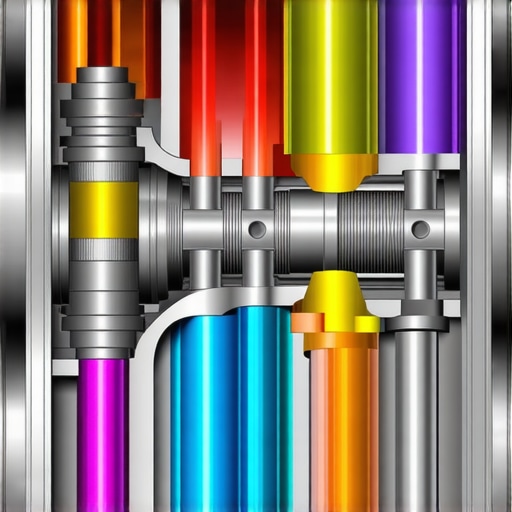
Fluid volume is not a static measurement; it is a thermal variable that dictates the health of your gear swaps. When temperatures drop below freezing, transmission fluid physically contracts, lowering the level in the pan just enough to potentially expose the filter intake to air. This aeration creates a spongy hydraulic response that mimics a failing clutch pack, leading to hesitation when you shift into Drive. If you have recently attempted maintenance to solve this, you may have fallen victim to the hidden drain plug that makes your transmission flush fail, leaving old, debris-laden fluid in the torque converter that struggles to flow when thick. Old fluid holds moisture and metallic particulates that increase the drag on the pump, further starving the system of the pressure required to lock the clutches in place during that first crucial mile of operation.
How Bad Grounding Mimics Internal Mechanical Failure
Before authorizing a costly teardown, an expert technician will always look at the electrical environment. Transmission Control Modules (TCMs) are highly sensitive to voltage drops, and cold weather is notorious for increasing electrical resistance in aged wiring. A corroded connection or a fraying ground wire can cause a ‘ghost slip’ where the solenoid doesn’t receive enough current to hold a gear firmly, causing the computer to throw the transmission into a failsafe or limp mode. In many cases, the 14 dollar ground strap that fixes ghost shifting is the real hero, saving owners from unnecessary and expensive rebuilds. Data from the Automatic Transmission Rebuilders Association (ATRA) suggests that nearly a quarter of all reported transmission malfunctions are actually electrical in nature, often stemming from poor chassis grounds or faulty speed sensors rather than internal hardware degradation.
Could Your TCM Be Hiding a Dying Gearbox?
Modern vehicles utilize sophisticated adaptive learning software to mask the physical reality of internal wear. The computer constantly monitors the ‘fill time’ and ‘slip time’ of individual clutch packs, adjusting pulse-width modulation (PWM) to hydraulic solenoids to keep shifts feeling smooth as the friction material thins. When it is cold, the fluid is too thick to be adjusted with such precision, and the computer may reach the limit of its adaptive window. This is the moment the slip finally becomes apparent to the driver, effectively acting as the ‘check engine light’ for the internal clutches. This is why it is critical to ignore the ‘lifetime fluid’ marketing fluff found in many owner manuals. Deeply understanding the truth about lifetime transmission fluid and when to ignore it can prevent the accelerated wear that the TCM eventually fails to hide during a cold snap.
The Relationship Between Viscosity and Main Pressure
Main line pressure is the absolute lifeblood of the automatic transmission. If the fluid cannot reach the pressure regulator valve within seconds after ignition, the entire internal system operates in a state of starvation. This delay is often exacerbated by a clogged internal filter or a pump that is beginning to show its age. To ensure your vehicle is prepared for these intense thermal stresses, have you looked at the ultimate tune up checklist for every car owner lately? It covers the foundational maintenance that keeps these high-pressure systems operational during the harshest winters. If you’ve noticed these symptoms, we want to hear about it—share your experience in the comments below. Identifying whether the slip happens only in Reverse or across all forward gears can help a pro narrow down the specific seal that has failed before you even step foot in the shop.
Distinguish Between Delayed Engagement and a Terminal Slip
Many drivers confuse a delayed engagement with a mechanical slip, yet the diagnostic path for each is vastly different. When you shift from Park to Drive and wait several seconds for the ‘thud’ of engagement, you are experiencing a pressure build-up issue rather than a friction failure. This distinction is vital because a delay often points toward a hardening pump seal or a restricted filter rather than worn-out clutches. However, if the car moves but the engine ‘revs’ freely when you accelerate, the internal friction plates are failing to hold the load. Professional auto repair technicians often check the ‘CVI’ (Clutch Volume Index) values, which tell a specialist exactly how much fluid it takes to apply a clutch pack. If these numbers are too high, the piston is traveling too far to compensate for worn material—a condition that cold weather only makes more apparent.
Why Does My Torque Converter Shudder During the First Mile?
A common complaint among owners of modern 6-speed or 8-speed units is a vibration that feels like driving over rumble strips, specifically when the vehicle is cold. This ‘shudder’ is almost always the result of the Torque Converter Clutch (TCC) failing to engage smoothly. When ATF is cold, its friction modifiers—chemical additives that ensure smooth clutch application—are not as effective. Research published in the journal Tribology International highlights that the shear stability and film thickness of these additives are temperature-dependent, meaning the fluid literally loses its ‘grip’ until it reaches a specific thermal threshold. If you ignore this shudder, the heat generated by the vibrating clutch will quickly glaze the internal surfaces, leading to a permanent failure that no fluid change can fix.
Protect Your Valve Body from Microscopic Shrapnel
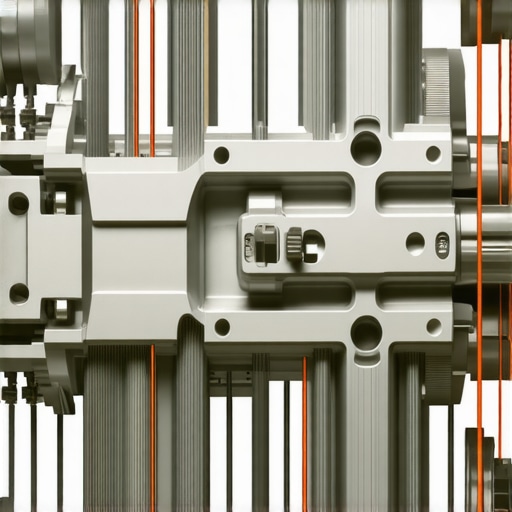
The valve body is the hydraulic ‘brain’ of the transmission, housing dozens of tiny steel valves that move within an aluminum casting. As a transmission ages, it naturally produces microscopic metallic debris and ‘clutch mud.’ In warm weather, the fluid is thin enough to carry this debris through the system and into the filter. In the cold, however, the sludge thickened fluid causes these tiny valves to stick in their bores. A stuck pressure regulator valve can cause ‘runaway’ pressure that blows out seals, or conversely, a total loss of pressure that fries the clutches in seconds. This is why a professional mechanic will often recommend a valve body cleaning or a ‘solenoid block’ replacement if fluid changes don’t resolve the cold-start symptoms. If you’ve experienced a sudden ‘clunk’ when shifting while the engine is still warming up, it’s a sign that a valve is finally breaking free under high pressure. If your vehicle is exhibiting these early warning signs, run a diagnostic scan to capture ‘freeze frame’ data before the computer resets its adaptive memory. Identifying the specific gear ratio error code can save hours of labor and prevent a ‘guesswork’ repair bill.
The Role of Thermal Bypass Valves in Fluid Management
Many modern trucks and SUVs are equipped with a thermal bypass valve designed to keep the transmission fluid out of the cooler until it reaches a certain temperature. The logic is simple: the transmission needs to get hot quickly to reach peak efficiency. However, if this valve fails in the ‘closed’ position, it can cause the transmission to overheat even in the middle of winter. Alternatively, if it fails ‘open,’ the fluid may never reach the 175°F threshold required for the computer to allow the final overdrive gear to engage. This sophisticated interplay between the cooling system and the gearbox is a prime reason why a routine tune up must include an inspection of the cooling lines and bypass thermostats. When these systems fail, the internal fluid dynamics are thrown into chaos, leading to the very slipping and hunting behaviors we have been dissecting. The chemical makeup of the fluid also begins to change when it cannot reach its designed operating temperature, leading to moisture accumulation.
The intricate dance of hydraulic fluid within a modern gearbox is easily disrupted by more than just hardening seals. While thermal expansion plays a critical role, expert-level auto repair diagnostics must also account for the phenomenon of aeration. When transmission fluid is exceptionally cold, its ability to release trapped air bubbles diminishes significantly. If the fluid level is even marginally high or low, the churning action of the gears creates a frothy, aerated mixture. Unlike pure hydraulic fluid, air is compressible. When this ‘spongy’ fluid enters the clutch pistons, it fails to provide the solid clamping force required, leading to a slip that feels mechanical but is actually a failure of fluid state. Identifying this requires a steady hand and a deep understanding of how fluid dynamics shift at the molecular level during sub-zero starts.
Air Entrainment Mimics Mechanical Slipping
Cavitation occurs when the transmission pump struggles to pull thickened, cold fluid through the filter neck, creating a vacuum that forms vapor bubbles. These bubbles then collapse with violent force when they reach the high-pressure side of the pump, leading to internal pitting and a noticeable loss of line pressure. A seasoned mechanic knows that this isn’t just a noise issue; it is a direct threat to the longevity of the friction plates. If you are hearing a faint whine during the first few minutes of operation, you are likely witnessing the early stages of pump cavitation. Ensuring the suction side of the hydraulic circuit is airtight is just as important as the brake service that keeps your vehicle safe on icy roads. 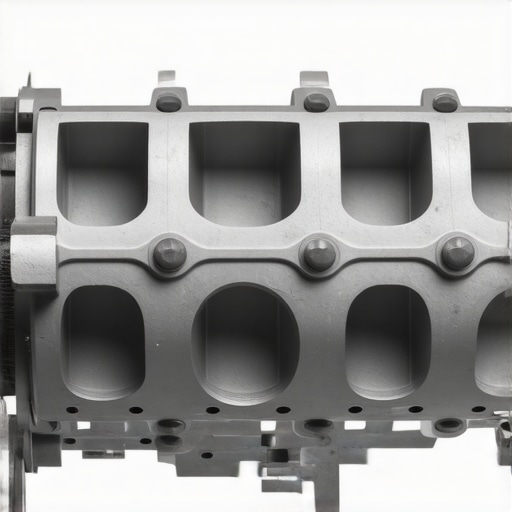
Update the TCM Memory to Account for Clutch Wear
Before assuming a transmission is destined for the scrap heap, specialized technicians look toward the Transmission Control Module (TCM) and its adaptive learning tables. Over tens of thousands of miles, the TCM learns to compensate for microscopic wear by adjusting shift timing. However, a battery swap or a deep cold snap can sometimes cause these adaptive ‘shortcuts’ to become corrupted or misaligned with the current physical state of the hardware. In many modern vehicles, a professional tune up of the electronic systems involves a ‘Quick Learn’ or ‘Adaptive Reset’ procedure. This forces the computer to re-evaluate the clutch volume indexes (CVIs) from scratch. According to technical insights from Transmission Digest, many ‘terminal’ slipping issues in 6-speed and 8-speed units are resolved not with wrenches, but with software flashes that realign hydraulic pressure curves with the physical reality of the worn friction material.
How Do I Know if My Torque Converter is Actually Locked?
To determine if a slip is originating in the torque converter or the gear sets, you must monitor the relationship between engine RPM and the transmission input shaft speed. On a professional-grade scan tool, look for the ‘TCC Slip’ data parameter. When the vehicle is at cruising speed and the converter is commanded to lock, the slip should be near zero. If you see a fluctuation of 50-200 RPM while the computer is demanding 100% lockup, your torque converter clutch is failing to hold. This specific type of slipping is often the result of degraded friction modifiers in the fluid, which are particularly ineffective when the ATF has not yet reached its operating temperature. If you experience this ‘hunting’ sensation, it is a clear indicator that the fluid’s chemical integrity has been compromised.
Why Glycol is the Worst Thing for Your Internal Seals
One of the most catastrophic failures a technician can encounter is the ‘strawberry milkshake’—a mixture of transmission fluid and engine coolant caused by a failure in the radiator’s internal cooler. Even a trace amount of glycol is lethal to transmission clutches because it dissolves the water-soluble glues that hold the friction material to the steel plates. In cold weather, this contamination is even more destructive, as the water content in the coolant can freeze or form sludge that completely blocks the small orifices in the valve body. If you suspect your transmission is slipping after a cooling system failure, immediate action is required. If you’re tired of the guesswork and want to save your drivetrain, schedule a digital diagnostic scan today to see what your TCM is really hiding. Addressing these specialized hydraulic and chemical variables now is the only way to ensure your vehicle survives the winter without a total mechanical collapse.
Automotive diagnostics often reveal that the most elusive transmission issues manifest only during the initial warm-up phase. When a vehicle experiences slipping—a state where the engine RPM rises without a corresponding increase in wheel speed—specifically in low temperatures, it points toward a delicate failure in hydraulic integrity. Professional auto repair technicians recognize that the morning slip is rarely a computer error; it is a physical manifestation of fluid physics and component wear working in tandem. Understanding the thermal expansion of internal components is the first step toward preventing a total gearbox failure.
Cold Weather Exposes Internal Hydraulic Leaks
Transmission fluid (ATF) serves as both a lubricant and a hydraulic medium. In freezing temperatures, the fluid’s viscosity increases, making it thicker and slower to travel through the intricate valve body. If internal seals or O-rings have hardened with age—a process often referred to as morning sickness—they fail to create a perfect seal until they expand from the heat of operation. This creates a momentary loss of line pressure, leading to the dreaded slip. This is often related to the simple reason your transmission shifts hard when its cold, as the hydraulic pressure cannot overcome the resistance of thickened fluid and rigid seals.
Seal Shrinkage is the Silent Killer of Cold Starts
The internal pistons that apply the clutch packs rely on rubber seals to maintain pressure. As these seals degrade, they lose the elasticity required to compensate for cold-weather contraction. An experienced mechanic will tell you that once the transmission reaches operating temperature, these seals soften and seal properly again, masking the underlying issue. However, this intermittent failure is a precursor to permanent clutch burn. If you notice a burnt odor even when the car is cold, you might be seeing 3 signs your transmission fluid is actually burning, which indicates the internal friction material is already deteriorating. According to technical papers from the Society of Automotive Engineers (SAE), the kinematic viscosity of transmission fluid can fluctuate significantly between -20°C and 100°C, directly impacting the response time of shift solenoids.
Does Your Solenoid Struggle with Thickened Fluid?
Electronic solenoids act as gatekeepers for fluid flow. When ATF is cold and viscous, a solenoid that is partially clogged or electrically weak may struggle to actuate the shift valves quickly enough. This delay creates a flare or slip between gears. It is a common reason why your automatic transmission hunts for gears on the highway even after things have seemingly warmed up. Just as a routine brake service ensures stopping power, maintaining fluid health and solenoid responsiveness is vital for shifting power. [IMAGE_PLACEHOLDER]
Stop Ignoring the First Five Minutes of Your Drive
Addressing these symptoms early through a comprehensive tune up of the drivetrain system can prevent a $4,000 overhaul. If you are experiencing cold-start hesitation, consult with a specialist to verify line pressures before the friction plates are destroyed. Modern transmissions are sensitive to even minor fluid level discrepancies, especially after a thermal event. For those who have recently dealt with cooling issues, learning how to save your transmission after a radiator leak is essential for long-term reliability. Don’t let a minor cold-weather slip turn into a permanent mechanical failure; professional diagnostics now will save you thousands later.
Fluid volume is not a static measurement; it is a thermal variable that dictates the health of your gear swaps. When temperatures drop below freezing, transmission fluid physically contracts, lowering the level in the pan just enough to potentially expose the filter intake to air. This aeration creates a spongy hydraulic response that mimics a failing clutch pack, leading to hesitation when you shift into Drive. If you have recently attempted maintenance to solve this, you may have fallen victim to the hidden drain plug that makes your transmission flush fail, leaving old, debris-laden fluid in the torque converter that struggles to flow when thick. Old fluid holds moisture and metallic particulates that increase the drag on the pump, further starving the system of the pressure required to lock the clutches in place during that first crucial mile of operation.
How Bad Grounding Mimics Internal Mechanical Failure
Before authorizing a costly teardown, an expert technician will always look at the electrical environment. Transmission Control Modules (TCMs) are highly sensitive to voltage drops, and cold weather is notorious for increasing electrical resistance in aged wiring. A corroded connection or a fraying ground wire can cause a ‘ghost slip’ where the solenoid doesn’t receive enough current to hold a gear firmly, causing the computer to throw the transmission into a failsafe or limp mode. In many cases, the 14 dollar ground strap that fixes ghost shifting is the real hero, saving owners from unnecessary and expensive rebuilds. Data from the Automatic Transmission Rebuilders Association (ATRA) suggests that nearly a quarter of all reported transmission malfunctions are actually electrical in nature, often stemming from poor chassis grounds or faulty speed sensors rather than internal hardware degradation.
Could Your TCM Be Hiding a Dying Gearbox?
Modern vehicles utilize sophisticated adaptive learning software to mask the physical reality of internal wear. The computer constantly monitors the ‘fill time’ and ‘slip time’ of individual clutch packs, adjusting pulse-width modulation (PWM) to hydraulic solenoids to keep shifts feeling smooth as the friction material thins. When it is cold, the fluid is too thick to be adjusted with such precision, and the computer may reach the limit of its adaptive window. This is the moment the slip finally becomes apparent to the driver, effectively acting as the ‘check engine light’ for the internal clutches. This is why it is critical to ignore the ‘lifetime fluid’ marketing fluff found in many owner manuals. Deeply understanding the truth about lifetime transmission fluid and when to ignore it can prevent the accelerated wear that the TCM eventually fails to hide during a cold snap.
The Relationship Between Viscosity and Main Pressure
Main line pressure is the absolute lifeblood of the automatic transmission. If the fluid cannot reach the pressure regulator valve within seconds after ignition, the entire internal system operates in a state of starvation. This delay is often exacerbated by a clogged internal filter or a pump that is beginning to show its age. To ensure your vehicle is prepared for these intense thermal stresses, have you looked at the ultimate tune up checklist for every car owner lately? It covers the foundational maintenance that keeps these high-pressure systems operational during the harshest winters. If you’ve noticed these symptoms, we want to hear about it—share your experience in the comments below. Identifying whether the slip happens only in Reverse or across all forward gears can help a pro narrow down the specific seal that has failed before you even step foot in the shop.
Distinguish Between Delayed Engagement and a Terminal Slip
Many drivers confuse a delayed engagement with a mechanical slip, yet the diagnostic path for each is vastly different. When you shift from Park to Drive and wait several seconds for the ‘thud’ of engagement, you are experiencing a pressure build-up issue rather than a friction failure. This distinction is vital because a delay often points toward a hardening pump seal or a restricted filter rather than worn-out clutches. However, if the car moves but the engine ‘revs’ freely when you accelerate, the internal friction plates are failing to hold the load. Professional auto repair technicians often check the ‘CVI’ (Clutch Volume Index) values, which tell a specialist exactly how much fluid it takes to apply a clutch pack. If these numbers are too high, the piston is traveling too far to compensate for worn material—a condition that cold weather only makes more apparent.
Why Does My Torque Converter Shudder During the First Mile?
A common complaint among owners of modern 6-speed or 8-speed units is a vibration that feels like driving over rumble strips, specifically when the vehicle is cold. This ‘shudder’ is almost always the result of the Torque Converter Clutch (TCC) failing to engage smoothly. When ATF is cold, its friction modifiers—chemical additives that ensure smooth clutch application—are not as effective. Research published in the journal Tribology International highlights that the shear stability and film thickness of these additives are temperature-dependent, meaning the fluid literally loses its ‘grip’ until it reaches a specific thermal threshold. If you ignore this shudder, the heat generated by the vibrating clutch will quickly glaze the internal surfaces, leading to a permanent failure that no fluid change can fix.
Protect Your Valve Body from Microscopic Shrapnel
The valve body is the hydraulic ‘brain’ of the transmission, housing dozens of tiny steel valves that move within an aluminum casting. As a transmission ages, it naturally produces microscopic metallic debris and ‘clutch mud.’ In warm weather, the fluid is thin enough to carry this debris through the system and into the filter. In the cold, however, the sludge thickened fluid causes these tiny valves to stick in their bores. A stuck pressure regulator valve can cause ‘runaway’ pressure that blows out seals, or conversely, a total loss of pressure that fries the clutches in seconds. This is why a professional mechanic will often recommend a valve body cleaning or a ‘solenoid block’ replacement if fluid changes don’t resolve the cold-start symptoms. If you’ve experienced a sudden ‘clunk’ when shifting while the engine is still warming up, it’s a sign that a valve is finally breaking free under high pressure. If your vehicle is exhibiting these early warning signs, run a diagnostic scan to capture ‘freeze frame’ data before the computer resets its adaptive memory. Identifying the specific gear ratio error code can save hours of labor and prevent a ‘guesswork’ repair bill.
The Role of Thermal Bypass Valves in Fluid Management
Many modern trucks and SUVs are equipped with a thermal bypass valve designed to keep the transmission fluid out of the cooler until it reaches a certain temperature. The logic is simple: the transmission needs to get hot quickly to reach peak efficiency. However, if this valve fails in the ‘closed’ position, it can cause the transmission to overheat even in the middle of winter. Alternatively, if it fails ‘open,’ the fluid may never reach the 175°F threshold required for the computer to allow the final overdrive gear to engage. This sophisticated interplay between the cooling system and the gearbox is a prime reason why a routine tune up must include an inspection of the cooling lines and bypass thermostats. When these systems fail, the internal fluid dynamics are thrown into chaos, leading to the very slipping and hunting behaviors we have been dissecting. The chemical makeup of the fluid also begins to change when it cannot reach its designed operating temperature, leading to moisture accumulation.
The intricate dance of hydraulic fluid within a modern gearbox is easily disrupted by more than just hardening seals. While thermal expansion plays a critical role, expert-level auto repair diagnostics must also account for the phenomenon of aeration. When transmission fluid is exceptionally cold, its ability to release trapped air bubbles diminishes significantly. If the fluid level is even marginally high or low, the churning action of the gears creates a frothy, aerated mixture. Unlike pure hydraulic fluid, air is compressible. When this ‘spongy’ fluid enters the clutch pistons, it fails to provide the solid clamping force required, leading to a slip that feels mechanical but is actually a failure of fluid state. Identifying this requires a steady hand and a deep understanding of how fluid dynamics shift at the molecular level during sub-zero starts.
Air Entrainment Mimics Mechanical Slipping
Cavitation occurs when the transmission pump struggles to pull thickened, cold fluid through the filter neck, creating a vacuum that forms vapor bubbles. These bubbles then collapse with violent force when they reach the high-pressure side of the pump, leading to internal pitting and a noticeable loss of line pressure. A seasoned mechanic knows that this isn’t just a noise issue; it is a direct threat to the longevity of the friction plates. If you are hearing a faint whine during the first few minutes of operation, you are likely witnessing the early stages of pump cavitation. Ensuring the suction side of the hydraulic circuit is airtight is just as important as the brake service that keeps your vehicle safe on icy roads.
Update the TCM Memory to Account for Clutch Wear
Before assuming a transmission is destined for the scrap heap, specialized technicians look toward the Transmission Control Module (TCM) and its adaptive learning tables. Over tens of thousands of miles, the TCM learns to compensate for microscopic wear by adjusting shift timing. However, a battery swap or a deep cold snap can sometimes cause these adaptive ‘shortcuts’ to become corrupted or misaligned with the current physical state of the hardware. In many modern vehicles, a professional tune up of the electronic systems involves a ‘Quick Learn’ or ‘Adaptive Reset’ procedure. This forces the computer to re-evaluate the clutch volume indexes (CVIs) from scratch. According to technical insights from Transmission Digest, many ‘terminal’ slipping issues in 6-speed and 8-speed units are resolved not with wrenches, but with software flashes that realign hydraulic pressure curves with the physical reality of the worn friction material.
How Do I Know if My Torque Converter is Actually Locked?
To determine if a slip is originating in the torque converter or the gear sets, you must monitor the relationship between engine RPM and the transmission input shaft speed. On a professional-grade scan tool, look for the ‘TCC Slip’ data parameter. When the vehicle is at cruising speed and the converter is commanded to lock, the slip should be near zero. If you see a fluctuation of 50-200 RPM while the computer is demanding 100% lockup, your torque converter clutch is failing to hold. This specific type of slipping is often the result of degraded friction modifiers in the fluid, which are particularly ineffective when the ATF has not yet reached its operating temperature. If you experience this ‘hunting’ sensation, it is a clear indicator that the fluid’s chemical integrity has been compromised.
Why Glycol is the Worst Thing for Your Internal Seals
One of the most catastrophic failures a technician can encounter is the ‘strawberry milkshake’—a mixture of transmission fluid and engine coolant caused by a failure in the radiator’s internal cooler. Even a trace amount of glycol is lethal to transmission clutches because it dissolves the water-soluble glues that hold the friction material to the steel plates. In cold weather, this contamination is even more destructive, as the water content in the coolant can freeze or form sludge that completely blocks the small orifices in the valve body. If you suspect your transmission is slipping after a cooling system failure, immediate action is required. If you’re tired of the guesswork and want to save your drivetrain, schedule a digital diagnostic scan today to see what your TCM is really hiding. Addressing these specialized hydraulic and chemical variables now is the only way to ensure your vehicle survives the winter without a total mechanical collapse.
Expert Insights & Advanced Considerations
Watch the Clutch Volume Index Before You Tear It Down
High-end diagnostic tools allow a technician to see exactly how much fluid volume is required to engage a clutch pack. If your CVIs are out of range specifically when the vehicle is at ambient temperature, it confirms a seal leakage or excessive clearance that the TCM can no longer compensate for. This is a critical step in mechanic tips diagnosing common auto problems within modern electronic gearboxes.
Cold Fluid Aeration Mimics Mechanical Death
When temperatures drop, fluid becomes thick and slow to shed air. This creates a spongy hydraulic environment where the pump pulls air instead of pure fluid, causing a slip that feels like a burnt clutch but is actually a physical state failure. Check your levels precisely; even half a quart can make the difference between a smooth shift and an aerated mess.
Software Relearns Often Beat Hard Parts Replacement
Before committing to a $4,000 rebuild, ensure the TCM has been updated. Many manufacturers release software relearn procedures that adjust the pulse-width modulation to solenoids, effectively compensating for aged seals. It is one of the most effective auto repair cost saving tips from industry experts today.
Curated Expert Resources
Society of Automotive Engineers (SAE) Technical Papers: The gold standard for understanding fluid viscosity and the chemical properties of ATF under extreme thermal stress.
ATRA (Automatic Transmission Rebuilders Association): Provides detailed case studies on common failures for specific transmission models, essential for those moving beyond basic DIY diagnostics.
Transmission Digest: An industry-leading publication that bridges the gap between theoretical engineering and practical, shop-floor solutions for modern gearboxes.
Final Expert Perspective
Navigating the complexities of cold-weather transmission performance requires moving past simple fluid changes and looking at the hydraulic and electrical ecosystem. Whether it is a hardening internal seal or a simple grounding issue, the goal of modern auto repair is to diagnose the root cause before the friction material reaches the point of no return. By following the advice for finding the right mechanic who utilizes advanced scan data, you can often save a gearbox that others would declare dead. If you have experienced a mystery slip that vanished as the engine warmed up, we invite you to share your vehicle’s year and model below—let’s troubleshoot the nuances of hydraulic integrity together.