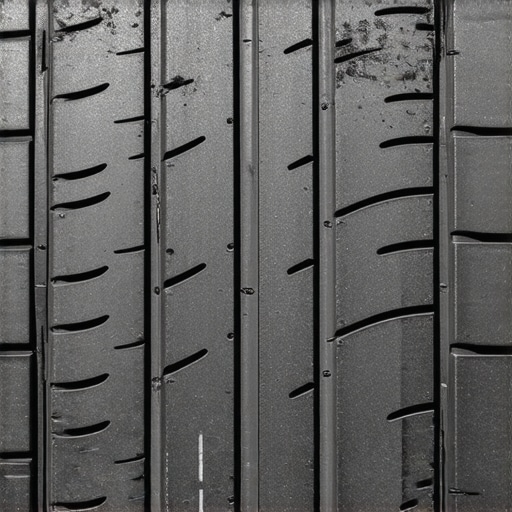
Inner Tread Scuffing Indicates a Compromised Chassis Geometry
Modern automotive suspension systems are masterpieces of precision engineering, designed to maintain a consistent contact patch between the tire and the road surface. However, when you observe that your tires are wearing exclusively on the inner edge—a phenomenon often referred to as ‘camber wear’ or ‘toe-out scuffing’—it is rarely a defect of the rubber itself. Instead, this localized friction is a clear indicator that the vehicle’s alignment geometry has deviated from its factory specifications. Professionals in high-end auto repair recognize that even a fraction of a degree in misalignment can translate into hundreds of pounds of unnecessary lateral force, grinding away the tread long before the tire reaches its expected lifespan.
Negative Camber Steals Your Grip and Your Money
Camber refers to the vertical tilt of the wheel when viewed from the front of the vehicle. While a slight degree of negative camber is common in performance-oriented setups to improve cornering stability, excessive inward tilting places the entirety of the vehicle’s weight on the inside shoulder of the tire. This leads to rapid heat buildup and accelerated degradation. If you are noticing this pattern, it is essential to consult a skilled mechanic who can measure these angles using laser-guided equipment. Correcting this is a fundamental part of any comprehensive tune-up checklist, as improper camber not only ruins tires but also puts undue stress on wheel bearings and CV axles.
Worn Suspension Bushings Introduce Unwanted Dynamic Steering Changes
Static alignment is only half the story; dynamic alignment—how the wheels behave while the car is in motion—is often where the real trouble lies. Rubber bushings act as the joints of your suspension system, absorbing road vibrations and maintaining the position of control arms. Over time, these components dry rot or tear, allowing the wheel to ‘wander’ outward under load. This creates a toe-out condition where the front of the tires points away from each other, literally dragging the inner edges across the pavement. According to technical data from SAE International, suspension compliance caused by degraded rubber components is a leading cause of ‘mystery’ wear that survives simple alignment attempts. You may find that your steering wheel isn’t straight after an alignment because these underlying mechanical failures were not addressed first.
Does Your Vehicle Squat Too Much Under Heavy Loads?
For drivers of SUVs, trucks, or heavily loaded passenger cars, the culprit might be sagging springs or blown struts. When the rear of a vehicle ‘squats’ due to weight or worn-out shocks, the geometry of the front and rear wheels can shift into a negative camber position. This is particularly prevalent in vehicles with independent rear suspension. If you suspect your dampers are failing, learning how to tell if your shocks are shot can save you from replacing a brand-new set of tires prematurely. A professional mechanic will look for oil leaks on the strut body and perform a bounce test to ensure the chassis is properly supported before finalizing an alignment.
Before you invest in your next set of premium rubber, ensure your vehicle’s foundation is sound. We invite you to contact us to share your diagnostic experiences or seek professional advice on complex chassis issues.
Steering Rack Slack Destroys More Than Just Precision
While camber and toe are the stars of the alignment show, the steering rack and its associated tie-rod ends serve as the vital link that translates your input into wheel direction. When the internal gears of a rack-and-pinion system develop play, or if the outer tie-rod ends become loose, the wheels gain the ability to oscillate independently of the steering wheel. This flutter results in a constant sawing motion against the road surface at highway speeds, which aggressively thins the inner tread. Utilizing mechanic tips for diagnosing common auto problems, you can often detect this by lifting the vehicle and checking for lateral movement in the wheel assembly. Even a millimeter of slack in these joints can negate the benefits of a professional alignment because the wheels will simply wander back into a toe-out position the moment you encounter air resistance at highway speeds.
Why Does Your Steering Feel Numb When Cornering?
A lack of tactile feedback through the wheel often points toward a degradation in caster or a binding steering shaft. Caster does not affect tire wear as directly as camber, but it is responsible for the self-centering force that keeps your car tracking straight. If your car feels darty or refuses to return to center after a turn, the suspension is likely fighting against itself, creating scrub radius issues that heat up the tire shoulders. This instability is frequently why your steering wheel shakes at exactly 55 mph; the harmonic vibrations of a loose front end reach a resonance point that the tires cannot dampen. Addressing these feedback issues is a requirement for anyone serious about high-performance chassis tuning and long-term rubber preservation.
Ball Joint Deflection Creates the Invisible Alignment Error
Ball joints are the pivot points that allow the steering knuckles to rotate and move vertically during suspension travel. When these joints wear out, they allow the entire wheel assembly to tilt outward under the weight of the vehicle, a condition that is not always visible when the car is stationary on an alignment rack. This dynamic camber change occurs only when the car is in motion, making it an invisible tire killer that defies standard static measurements. According to technical bulletins from the Car Care Council, neglected steering and suspension components account for a significant percentage of preventable tire failures and safety incidents annually. If you hear a clunking sound over speed bumps, it is a sign that the joint’s internal ball and socket have lost their tight tolerance. 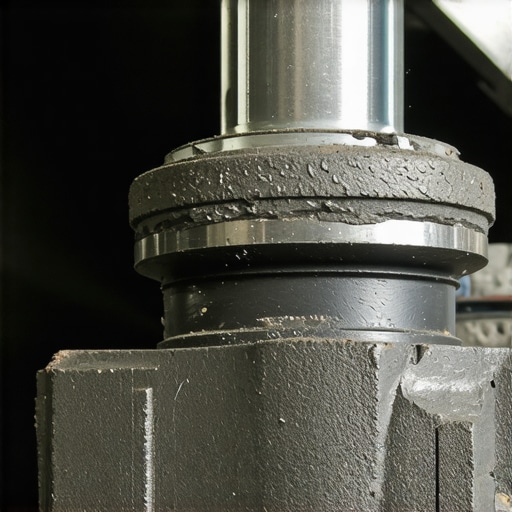 Replacing these components is far more cost-effective than replacing a pair of expensive low-profile tires every few thousand miles.
The Hidden Link Between Brake Calipers and Tire Life
It is a common misconception that braking issues only affect your stopping distance. In reality, a sticking brake caliper can create a constant parasitic drag on one side of the vehicle, forcing the driver to compensate by steering slightly in the opposite direction to maintain a straight path. This constant steering correction mimics a bad alignment and drags the tires at an angle they were not designed to handle for sustained periods. If you notice why your car pulls under braking but not while coasting, the culprit is likely a seized piston or sliding pin. Performing the simple move that fixes a sticky brake caliper can restore both your safety and your tire longevity simultaneously. Have you checked your wheel temperatures lately to see if one is running hotter than the rest? Let us know in the comments if you have managed to solve a mystery tire wear issue by simply servicing your brakes.
Stop Blaming the Struts When the Subframe Has Shifted
The subframe, or ‘engine cradle,’ serves as the structural foundation for your lower control arms and steering rack. In many modern unibody designs, this frame is bolted to the chassis with thick rubber bushings that can perish or shift during a significant impact, such as a curb strike or a deep pothole. When the subframe moves even a few millimeters, it alters the ‘thrust angle’ of the vehicle, effectively causing the car to ‘crab-walk’ down the road. This shifting creates a permanent toe-out or negative camber condition that cannot be corrected by adjusting the tie rods alone. 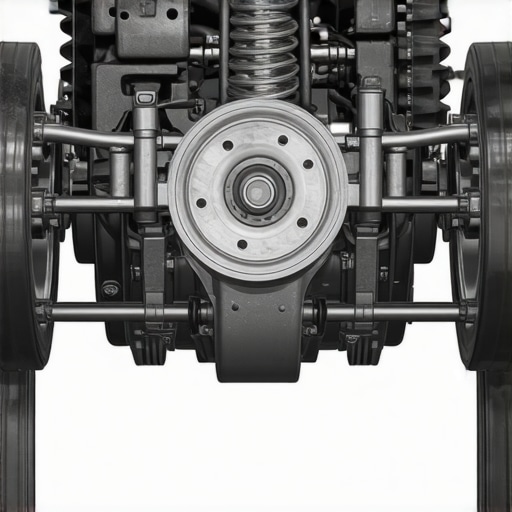 To truly resolve this, a technician must perform a ‘frame-to-chassis’ measurement to ensure the cradle is centered. Neglecting this structural alignment often leads to a cycle of repeated auto repair visits where the symptoms are treated, but the cause remains untouched.
Does a Steering Angle Sensor Reset Actually Fix Alignment Issues?
In the era of Electronic Power Steering (EPS), the mechanical alignment is only half the battle. Your vehicle’s onboard computer relies on the Steering Angle Sensor (SAS) to determine the ‘zero point’ of your steering wheel. If a skilled mechanic adjusts the physical tie rods but fails to recalibrate the SAS, the Electronic Stability Control (ESC) may attempt to ‘correct’ a non-existent skid. This results in the computer applying minute braking forces or steering torque, which causes the tires to scrub against the asphalt. According to safety data and technical standards from the National Highway Traffic Safety Administration (NHTSA), improper calibration of these advanced driver assistance systems (ADAS) can lead to unpredictable handling and accelerated component wear. Always insist that your tune-up checklist includes a digital scan and reset of the steering geometry parameters.
Identify the Ghostly Vibrations of a Loose Hub Bearing
A failing wheel bearing does more than just hum; it introduces a variable geometry error. As the internal ball bearings or races wear down, the hub assembly gains ‘play,’ allowing the wheel to tilt inward or outward depending on the lateral load in a corner. This is why you might see inner tread wear on a car that appears to have a perfect alignment on the shop’s computer—the weight of the machine on the road is different from the weight on the rack. You can often diagnose this yourself by safely jacking up the car and checking for vertical movement in the wheel. If you’ve ever wondered why your steering wheel shakes at exactly 55 mph, it’s worth noting that bearing play often hits its harmonic peak at highway speeds, creating a ‘sawing’ effect on your tire’s inner shoulder. If you’ve ever had an alignment that felt ‘perfect’ on paper but ‘wrong’ on the highway, we invite you to reach out and share your diagnostic findings with our community—your insight could help another driver pinpoint a similar ghost in their machine. Replacing a hub is a precision task, often requiring specialized presses, and it is a prime example of why finding the right mechanic is vital for long-term vehicle health.
Modern Adaptive Dampers Can Mask Critical Suspension Failures
High-end vehicles equipped with magnetic ride control or air suspension are designed to keep the chassis level at all costs. While this provides a sublime ride, it can dangerously hide a collapsed spring or a leaking hydraulic strut. The system pumps more air or increases magnetic resistance to compensate for the mechanical failure, maintaining a level ride height while the actual suspension geometry is compromised. This ‘invisible’ sag forces the control arms into an extreme angle, pushing the tires into a permanent state of negative camber. Because the car isn’t visibly leaning, the driver remains unaware of the damage until the inner steel belts of the tire begin to show. If you’ve felt a subtle change in how your car handles mid-corner bumps, it might be time to use some mechanic tips for diagnosing common auto problems to look past the electronic aids. The interaction between these air bladders and the lower control arm bushings is particularly complex during high-speed compression cycles, where the dynamic load
Aftermarket Offsets Sabotage Factory Scrub Radius
The conversation around alignment often stalls at static values, yet the real-world interface between the road and the rubber is dictated by the scrub radius—the distance between the kingpin axis intersection and the center of the tire’s contact patch. When enthusiasts or owners install aftermarket wheels with aggressive offsets to achieve a ‘flush’ look, they unknowingly shift this vital pivot point. This shift increases the leverage the road surface exerts on steering components, often forcing the tires into a toe-out position under heavy braking or rapid acceleration. This ‘leverage wear’ is particularly insidious because it mimics standard alignment error, yet it remains a fundamental change in the vehicle’s suspension kinematics that a simple tie-rod adjustment cannot fully rectify. Sophisticated auto repair requires understanding that moving the wheel center outward changes how the suspension reacts to every bump and corner.
Could Your Choice of Low-Profile Tires Be Masking a Progressive Chassis Failure?
Low-profile tires, while aesthetically pleasing and responsive, possess incredibly stiff sidewalls that offer minimal deflection compared to standard touring tires. This rigidity acts as a double-edged sword; while it improves steering precision, it also transmits high-frequency road shocks directly into the control arm bushings and ball joints rather than absorbing them. Over time, this accelerated wear on rubber-to-metal joints creates ‘micro-play’ that allows the wheel to tilt inward under load. If you are experiencing inner edge wear, it may not be a simple alignment issue but rather the result of your suspension components reaching their fatigue limit due to the lack of tire cushioning. Professional mechanics often find that high-performance setups require more frequent bushing inspections to prevent this structural degradation from ruining expensive rubber.
High-Torque EVs Demand a Different Alignment Philosophy
The rise of electric vehicles (EVs) has introduced a new variable into the tire wear equation: massive, instantaneous torque coupled with significantly higher curb weights. According to technical training resources from the Tire Industry Association (TIA), the sheer force applied to the drive wheels of an EV can cause ‘dynamic toe-out’ during hard acceleration. As the electric motors pull the vehicle forward, the force can compress the front suspension bushings, causing the tires to splay outward momentarily. If your alignment is set to the ‘light’ side of factory specifications, these repetitive high-torque events will shred the inner tread blocks. For EV owners, a slightly more aggressive ‘toe-in’ setting is often necessary to compensate for this movement, ensuring the tires stay parallel when the power is actually hitting the pavement.
Correcting Bump Steer After Performance Lowering
Lowering a vehicle to improve its center of gravity is a staple of performance tuning, but it often introduces a phenomenon known as bump steer. This occurs when the steering tie-rods are no longer parallel with the control arms. As the suspension moves up and down over road irregularities, the tie-rods pull or push the wheels, causing them to steer themselves without any input from the driver. 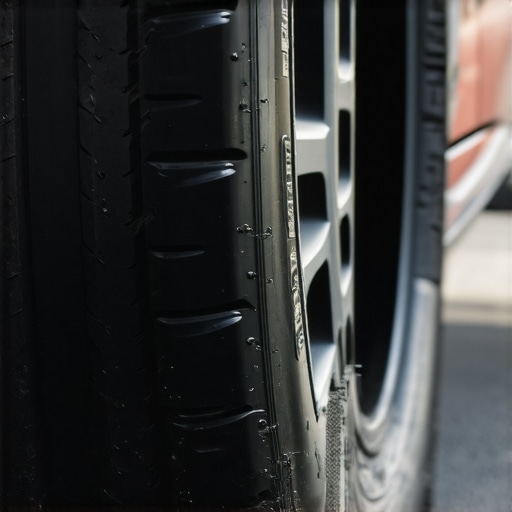 This constant, unintended steering input causes the tires to ‘scrub’ across the asphalt, specifically targeting the inner shoulders during compression cycles. To fix this, specialized ‘bump steer kits’ or offset ball joints are required to restore the original geometry. Without these corrections, even the most expensive tune-up checklist will fail to provide a permanent solution to your tire wear woes. We encourage you to consult with a chassis specialist who understands these nuances; don’t hesitate to reach out and share your experiences with modified suspension systems to help our community navigate these complex mechanical challenges.
Expert Insights & Advanced Considerations
How Your Car Lies to the Alignment Machine
A static alignment on a computerized rack is merely a baseline; the real-world geometry of your vehicle shifts the moment it encounters highway air resistance and high-speed cornering. This is why a vehicle can display ‘green’ values on a shop’s computer yet still suffer from aggressive inner tread scuffing. True experts look for dynamic toe-out, a condition where the force of movement pulls the front edges of the tires outward due to worn rubber components. Utilizing mechanic tips for diagnosing common auto problems can help you identify if your suspension is deflecting under load, a factor that static machines often fail to account for.
Stop Masking Geometry Flaws with Excessive Air Pressure
Some drivers attempt to ‘fix’ inner edge wear by over-inflating their tires, hoping to shift the contact patch to the center of the tread. This is a dangerous misconception that actually compromises the carcass integrity and reduces the tire’s ability to absorb road shocks. Instead of manipulating pressure, you should follow the 3-step checklist for buying tires that actually last, which emphasizes correcting the underlying mechanical tilt rather than compensating with air. Excessive pressure only adds stress to the sidewalls, which can lead to catastrophic failure when hitting a pothole.
Why Polyurethane Bushings Aren’t Always the Answer
While performance enthusiasts often swap factory rubber for rigid polyurethane to eliminate alignment drift, this can introduce unintended consequences for a daily driver. Polyurethane lacks the multi-axial compliance of rubber, often transferring high-frequency vibrations directly into the steering rack and ball joints. This rigidity can accelerate wear on secondary components, eventually leading back to the very alignment issues you sought to prevent. If you are unsure about the health of your existing components, learning how to tell if your shocks are shot is a more productive first step toward stabilizing your chassis than jumping into aggressive aftermarket modifications.
Curated Expert Resources
Hunter Engineering Technical Library: The industry leader in alignment equipment provides deep-dive white papers on scrub radius and thrust angle geometry that go far beyond basic consumer advice. Tire Rack Tech Center: An invaluable resource for visual documentation of wear patterns, specifically helping owners distinguish between camber wear and toe-related scuffing. ASE (National Institute for Automotive Service Excellence): Their certification standards define the level of proficiency required to handle complex ADAS recalibrations following a suspension overhaul.
Final Expert Perspective
Addressing inner tread scuffing requires more than just a quick trip to a budget tire shop; it demands a holistic understanding of how the chassis, steering, and electronics interact under dynamic loads. From the minute deflection of a worn subframe bushing to the digital recalibration of a steering angle sensor, every detail matters. To ensure your vehicle remains safe and predictable, you must how to choose a skilled mechanic who looks past the computer screen to diagnose the physical state of the suspension. #IMAGE_PLACEHOLDER_E# We invite you to contact us to share your specific diagnostic challenges or to consult with our specialists on complex chassis geometry issues.