
The automotive industry has witnessed a calculated shift toward maintenance-free components, yet few claims remain as contentious among career technicians as the promise of lifetime transmission fluid. While manufacturers define lifetime as the duration of the original warranty period—often 60,000 to 100,000 miles—mechanical engineers and the dedicated mechanic community recognize that fluid is a consumable commodity. Lubricants are subject to the brutal physics of shear stress and thermal oxidation, which inevitably degrade the chemical integrity of friction modifiers and detergents. Relying on a marketing label instead of empirical fluid condition can lead to catastrophic internal wear, transforming a preventable service into a high-ticket auto repair event.
The Engineering Myth Behind Sealed Gearboxes
Modern automatic transmissions are masterpieces of hydraulic complexity, utilizing solenoids and multi-plate clutch packs that require precise fluid viscosity to function. When manufacturers label these systems as sealed for life, they are often optimizing for the total cost of ownership (TCO) metrics used by fleet buyers rather than long-term vehicle longevity. Over time, the fluid accumulates microscopic metallic debris and friction material that a standard filter cannot always capture. High-operating temperatures further accelerate the depletion of anti-foaming agents. According to technical documentation from The Society of Tribologists and Lubrication Engineers (STLE), the oxidation rate of automatic transmission fluid doubles for every 18-degree Fahrenheit increase in temperature above 175°F, eventually leading to varnish formation on sensitive valve bodies.
Why Heat is the Silent Killer of Additive Packages
If you operate your vehicle in stop-and-go traffic or tow heavy loads, your transmission fluid is likely reaching temperatures that far exceed the design parameters of the original fluid. In these scenarios, the fluid loses its ability to protect against metal-to-metal contact. It is vital to recognize 3 signs your transmission fluid is actually burning before the internal seals harden and crack. Proactive owners often find that ignoring the manufacturer’s lifetime suggestion and opting for a service at a reputable auto repair shop every 40,000 miles significantly extends the gearbox’s operational horizon.
Stop Trusting the Manual Over the Dipstick
Field experience suggests that fluid color and smell remain the most reliable diagnostic tools for a mechanic. A healthy fluid should be translucent and reddish, whereas a dark, opaque, or pungent fluid indicates advanced degradation. When you bring your car in for a comprehensive tune up, ensuring the transmission is part of the inspection is paramount. A skilled technician can identify the hidden drain plug that makes your transmission flush fail, ensuring that the service actually replaces the old fluid rather than just diluting it. This level of detail is why it is essential to know how to choose a skilled mechanic you can trust who understands the nuance of modern synthetics.
Is Your Transmission Actually Slipping or Just Starving for Fresh Fluid?
Many drivers fear a failing gearbox when they experience erratic shifting or slight hesitation during acceleration. In many cases, these symptoms are not indicative of mechanical failure but of fluid that has lost its friction characteristics or is too low to maintain hydraulic pressure. In such instances, the $20 fluid swap that can save a slipping transmission can be a miracle fix, preventing a multi-thousand dollar rebuild. This diagnostic approach mirrors the same logic used in a professional brake service, where replacing contaminated fluid often restores pedal feel without needing new calipers. To stay ahead of these issues, consider these essential tune up tips to boost your cars performance in 2025 and integrate them into your maintenance schedule.
If you are serious about preserving your vehicle’s safety and value, do not stop at the transmission; take a moment to learn how to test your own brake fluid for water content at home to ensure your stopping power is as reliable as your acceleration.
While fluid integrity is the cornerstone of gearbox longevity, the transition between hydraulic health and electronic signaling is where many DIY enthusiasts and even intermediate technicians lose the trail. In the contemporary auto repair landscape, the Transmission Control Module (TCM) functions as the central nervous system, relying on a constant stream of clean electrical data to modulate shift points via pulse-width-modulated solenoids. If the electrical circuit is compromised by high-resistance paths, the TCM can command erratic shifts that are easily misdiagnosed as mechanical internal failure. Before committing to a rebuild, it is often wise to stop buying new batteries and check this ground connection first to ensure the system has a stable reference voltage.
The Corroded Connection Killing Your Transmission Control Module
Electrolysis and road salt are the natural enemies of the chassis ground, often leading to subtle voltage drops that wreak havoc on sensitive sensors. When a mechanic encounters a vehicle that ‘hunts’ for gears or drops into a limp-home mode, the first step should always be an inspection of the primary grounding points. A veteran technician who understands the hidden ground bolt that causes transmission false neutrals can often resolve a ‘total failure’ scenario by simply wire-brushing a single terminal. This level of granular troubleshooting separates a parts-changer from a true diagnostician, ensuring that auto repair costs remain manageable rather than astronomical. Similarly, the hidden fuse that kills your entire transmission control module is a common oversight that leads many drivers to believe their transmission has suffered a catastrophic mechanical break when the solution is actually a fifty-cent component.

Can a Simple Ground Wire Really Mimic a $3,000 Rebuild?
The short answer is an emphatic yes. According to technical bulletins from The Automatic Transmission Rebuilders Association (ATRA), a significant percentage of transmission related ‘ghost codes’—errors that appear and disappear without logic—are rooted in poor electrical connectivity rather than planetary gear failure. When the ground is weak, the solenoids may not fire with the required speed or force, leading to clutch slippage. If left unaddressed, this ‘electrical’ problem will eventually cause genuine mechanical wear due to the heat generated by that slippage. This is why a comprehensive tune up in the modern era must involve more than just spark plugs; it requires a digital multimeter to verify that the engine and transmission share a common, clean ground with the chassis.
When Your Gearbox Hunts Because of an Air Leak
Not all shifting issues are electrical or hydraulic; some are atmospheric. In older vacuum-modulated systems and even some modern turbocharged engines, the transmission relies on engine load data derived from vacuum pressure. A tiny crack in a rubber hose can lead to high-line pressure, causing the vehicle to shift so hard it feels like a rear-end collision. Identifying the $5 vacuum leak that makes your transmission shift hard can save you from a predatory brake service or transmission shop that might try to sell you an unnecessary overhaul. If your vehicle struggles to find the right gear at highway speeds, investigate the $20 fix for a transmission that hunts for gears before assuming the worst. If you have ever dealt with a ‘phantom’ shift issue that vanished after a simple sensor cleaning, leave a comment below or check out our guide on how to test your alternator using a simple screwdriver to see if your charging system is the hidden culprit behind your car’s erratic behavior.
The Software Trap That Hides Physical Internal Wear
The sophistication of the modern 6-speed and 10-speed automatic goes beyond hydraulic valves; it resides in the ‘Adaptive Learning’ algorithms of the Transmission Control Module (TCM). As internal clutch packs wear down by fractions of a millimeter, the computer compensates by incrementally increasing the hydraulic ‘fill time’ and solenoid pressure. This digital masking allows the vehicle to feel smooth even as the mechanical components degrade. However, when a mechanic performs a fluid exchange without resetting these adaptive tables, the transmission may continue to apply excessive pressure to the new, more friction-consistent fluid, resulting in harsh engagement or ‘shift shock.’ This nuance is frequently overlooked during a standard tune up, yet it represents the difference between professional auto repair and a DIY mistake that leads to premature clutch failure.
Does resetting the transmission adaptive memory actually fix hard shifts?
In many cases, resetting the adaptive values is the final step in restoring factory-level performance. When the TCM is ‘cleared,’ it enters a relearn mode where it monitors the exact millisecond each clutch engages. This process requires a specific driving cycle—often involving light-throttle acceleration through all gears—to recalibrate the shift points. Without this reset, the transmission remains stuck in a ‘wear compensation’ profile that no longer matches the physical reality of the fresh fluid. According to research published by SAE International, the shear stability of modern multi-vehicle synthetics is designed to resist permanent viscosity loss, but the TCM cannot ‘smell’ the new fluid; it only knows the data from the last ten thousand miles of operation.

Stop Blaming the Clutches for Your Torque Converter Shudder
One of the most misdiagnosed symptoms in the auto repair industry is the ‘rumble strip’ sensation occurring between 30 and 50 mph. Many drivers assume their transmission is slipping, but the culprit is often the Torque Converter Clutch (TCC). This component is designed to create a direct mechanical link between the engine and the gearbox to improve fuel economy. When the TCC friction lining wears or the fluid loses its anti-shudder additives, the clutch ‘chatter’ mimics the feeling of driving over corrugated pavement. Before you agree to a total rebuild, ask your technician to perform a TCC stall test or a targeted brake service inspection on the wheel speed sensors, as erratic speed data can prevent the TCC from locking correctly. If you have ever wondered why your car vibrates only at specific speeds, you should try this additive fix for torque converter shudder before pulling the whole unit.
Why Winter Mornings Are Torture for High-Mileage Gearboxes
Cold-start performance is where the chemical integrity of your fluid is truly tested. In sub-zero temperatures, even synthetic fluids thicken, making it difficult for the pump to draw fluid through the filter. This results in delayed engagement—where you shift into ‘Drive’ but the car waits three seconds before moving. This ‘starvation’ period is when the most significant wear occurs. Using a high-quality synthetic during your next tune up can lower the pour point of the lubricant, ensuring that hydraulic pressure reaches the forward clutch drum instantly. This is particularly critical in heavy-duty applications where the sheer volume of fluid takes longer to reach operating temperature. If you notice a whining sound that disappears as the engine warms up, it is a clear signal that your filter is restricted or your fluid’s cold-flow properties have been compromised by age and moisture.
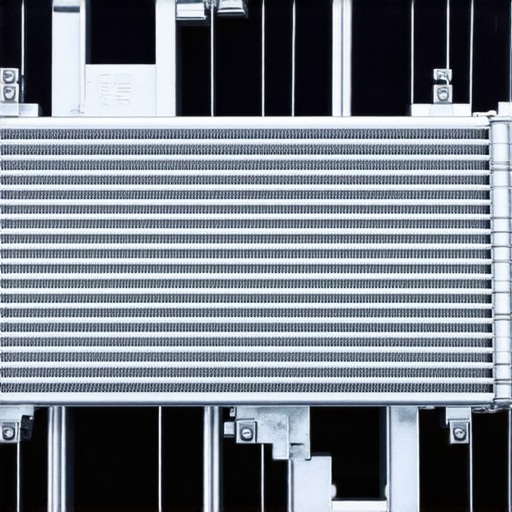
The delicate thermal equilibrium of a modern vehicle relies on a component many drivers ignore: the transmission oil cooler. Most factory systems route fluid through a heat exchanger integrated into the radiator, creating a dual-purpose cooling loop. While efficient for space, this design introduces a catastrophic failure point known in the auto repair industry as the strawberry milkshake of death. If the internal barrier between the coolant and the transmission fluid fails, glycol enters the gearbox, dissolving the water-soluble adhesives that hold friction material to the clutch plates. This chemical reaction is irreversible and often mandates a total transmission replacement. If you notice your coolant level dropping without a visible external leak, check your transmission dipstick immediately for a milky, pink appearance. This is why a proactive mechanic might recommend a standalone external cooler, bypassing the radiator heat exchanger entirely to eliminate the risk of cross-contamination.
External Coolers Save Gearboxes in Extreme Heat
For those who tow heavy trailers or drive in mountainous terrain, the stock cooling capacity of many vehicles is simply insufficient. High-load scenarios generate internal temperatures that can spike well above 220°F, where the chemical bonds of even the best synthetic fluids begin to fracture. Installing a secondary, plate-and-fin style cooler can drop operating temperatures by as much as 40 degrees, effectively doubling the life of your internal seals. According to technical service data from The Automatic Transmission Service Group (ATSG), thermal degradation remains the leading cause of premature failure in heavy-duty applications. This upgrade should be a priority during your next major tune up, especially if you plan on keeping the vehicle beyond the 150,000-mile mark.
Can a generic OBD-II scanner accurately diagnose a failing pressure solenoid?
While basic scanners are excellent for clearing a check engine light, they frequently fail to access the deeper proprietary sub-menus where transmission ‘P’ and ‘U’ codes reside. To gain a true understanding of hydraulic health, a technician must use a bi-directional scan tool capable of monitoring real-time solenoid duty cycles and commanded line pressure. If your scanner only provides a generic Gear 3 Incorrect Ratio code, it is merely reporting the symptom, not the root cause. Professional-grade diagnostics ensure that your brake service or routine engine maintenance doesn’t overlook an electronic pressure control (EPC) fault that could be slowly burning out your clutches. Manual pressure testing via the physical ports on the transmission case remains the ultimate verification method, confirming if the mechanical pump is actually meeting the electronic demands of the computer.
Friction Modified Synthetics Aren’t All Created Equal
The transition from older fluids like Dexron III to modern, low-viscosity synthetics has made fluid selection more complex than ever. Modern 8, 9, and 10-speed transmissions utilize specific friction modifiers that allow the clutches to slip slightly during engagement to provide a seamless feel. Using the wrong fluid—even one that claims to be universal—can lead to harsh shifts or a complete loss of drive. This is why a specialized mechanic will always verify the manufacturer-specific fluid specification rather than relying on a one-size-fits-all product. When performing a tune up on a modern vehicle, the price difference between a generic fluid and the genuine OEM-certified lubricant is negligible compared to the cost of a friction-plate failure. If you have noticed any hesitation or a shudder when the vehicle shifts between gears, it is time to stop guessing and verify your fluid level and quality. Engaging with these advanced maintenance strategies now will preserve your vehicle’s drivability and resale value for years to come.
Expert Insights & Advanced Considerations
Why Synthetic Grade Stability Matters in High-Heat Gearboxes
Chemical shear is not merely a temporary thinning of lubricant; it represents the permanent fracture of long-chain polymers under the extreme localized pressures of a planetary gear set. When a mechanic recommends a specific high-shear synthetic, they are advocating for the preservation of the fluid’s kinematic viscosity at operating temperature. Without this stability, the hydraulic pressure required to hold a clutch pack engaged will fluctuate, leading to microscopic slippage that eventually manifests as a total auto repair emergency. Many high-mileage failures can be traced back to this gradual loss of ‘film strength’ rather than a sudden mechanical break.
Resetting Adaptive Tables Prevents Post-Service Shift Shock
Modern Transmission Control Modules (TCM) are designed to learn. As friction material wears away, the computer compensates by increasing the solenoid duty cycle. If you perform a fluid exchange without a professional-grade tune up that includes resetting these adaptive values, the transmission will apply aggressive, wear-compensated pressure to the new, high-friction fluid. This often results in ‘shift shock’—a harsh engagement that can actually damage internal components. A true professional ensures the digital state of the transmission matches its physical state. If you are troubleshooting a gearbox that feels ‘off’ after a service, check if the hidden ground bolt that causes transmission false neutrals is clean and tight, as electrical noise can also disrupt these learning cycles.
Stop Ignoring the Internal Heat Exchanger Danger
The most sophisticated gearbox in the world is no match for the ‘strawberry milkshake’ effect caused by a breached internal radiator cooler. This cross-contamination of coolant and ATF dissolves the water-soluble adhesives holding the clutch linings in place. To mitigate this risk, veterans often recommend a proactive brake service style inspection of the cooling lines or installing a standalone external cooler. Knowing how to save your transmission after a radiator leak can be the difference between a minor cleanup and a $5,000 replacement bill. This level of preventive thinking is what separates long-term vehicle owners from those constantly facing unexpected shop visits.
Where Professionals Go for Transmission Intelligence
ATRA (Automatic Transmission Rebuilders Association)
The gold standard for technical bulletins and diagnostic flowcharts, providing granular data that even most factory manuals skip. Their technical seminars are where a top-tier mechanic goes to learn about emerging failure patterns in 10-speed architectures.
SAE International Technical Papers
For those who want to see the empirical data behind fluid oxidation and shear rates, SAE papers offer peer-reviewed research on how different additives react to thermal stress over time. It is the ultimate resource for debunking auto repair myths with hard physics.
ATSG (Automatic Transmission Service Group)
This resource provides the deep-dive teardown manuals essential for identifying small, high-impact failures, such as the hidden fuse that kills your entire transmission control module, which can save days of misdiagnosis.
Final Expert Perspective
Maximizing the lifespan of a modern vehicle requires a shift in mindset: moving from reactive ‘fix-it’ mentalities to proactive system management. Whether it is performing a the $20 fluid swap that can save a slipping transmission or understanding why regular tune ups are key to car longevity, the data is clear—heat and contamination are your only true enemies. By ignoring the ‘lifetime’ marketing and treating your gearbox with the same precision as a high-performance brake service, you ensure that your vehicle remains a reliable asset rather than a liability. We invite you to explore our deep dives into auto repair myths debunked to further sharpen your automotive IQ. If you have uncovered a secret maintenance trick that saved your car, join the conversation in the comments below.