Why Your Brakes Cry Out at Daybreak
The high-pitched wail of brake pads on a freezing morning is more than just a nuisance; it is a complex manifestation of tribology—the study of friction, wear, and lubrication. When temperatures plummet, the material density of your brake components changes. Any seasoned mechanic will tell you that the interface between a cast-iron rotor and a semi-metallic or ceramic pad is highly sensitive to thermal fluctuations. On cold mornings, the initial friction coefficient is significantly different than when the system reaches its optimal operating temperature, often leading to harmonic vibrations that we perceive as squealing. This phenomenon is frequently exacerbated by moisture absorption within the friction material, which temporarily alters the surface chemistry of the pad.
How Morning Dew Turns Your Rotors Into Echo Chambers
Overnight, ambient moisture often condenses on the surface of the brake rotors, leading to a thin layer of flash rust. This oxidation is abrasive. During the first few applications of the pedal, the pads must ‘scrub’ this layer off, which creates the characteristic grinding or squeaking sound. If you are noticing persistent noise even after the system warms up, implementing specific brake maintenance hacks can mitigate these surface-level issues before they evolve into hardware damage. Auto repair professionals often observe that vehicles parked in high-humidity environments suffer from more frequent harmonic noise issues due to this cyclical oxidation process.
Can You Actually Eliminate Squeal Without Replacing Pads?
The answer lies in the damping of parasitic vibrations. The ‘simple trick’ used by high-end technicians involves the application of a specialized, high-temperature ceramic-based lubricant to the metal-to-metal contact points—specifically where the pad backing plate meets the caliper piston and the carrier slides. This doesn’t just lubricate; it acts as a frequency dampener. According to research published by SAE International on Brake Noise, Vibration, and Harshness (NVH), the majority of audible squeal is not produced by the friction surface itself, but by the backing plate vibrating at high frequencies against the caliper. By isolating these components, you break the harmonic circuit. If your DIY efforts haven’t silenced the noise, you may need a professional brake service to ensure the hardware is properly shimmed and tensioned.
The Importance of Bedding Your Friction Material
Many drivers overlook the ‘bedding-in’ process, which is critical for noise suppression. This involves a series of controlled stops that transfer a thin, even layer of pad material onto the rotor surface. Without this transfer layer, the pad rub is inconsistent, leading to the vibrations that cause cold-start noise. For those seeking to maximize your brake service efficiency, ensure that any new components are properly seasoned before they are subjected to extreme cold-weather cycles. This thermal conditioning ensures the friction material remains stable even when the mercury drops. If your car is due for a seasonal tune up, consider checking the integrity of your caliper slide pins to prevent uneven pad pressure which also contributes to morning noise.
Are you struggling with persistent vehicle noises or performance drops? Join the discussion in our expert forum below to share your specific symptoms and get diagnostic advice from our community of professional technicians. For more advanced fixes, check out the simple trick to stopping brake squeal on brand new pads to see how the pros handle noise issues right out of the box.
The High Heat Trap That Glazes Your Friction Material
When the morning squeal persists even after several miles of driving, you are likely no longer dealing with simple surface oxidation. Instead, you may be facing glazed brake pads—a condition where the friction material has been chemically altered by excessive heat. This happens when the resin in the pad melts and then hardens into a smooth, glassy surface. This ‘glass’ layer provides zero grip and vibrates intensely against the rotor, creating a high-pitched scream. To determine if this has occurred, you can learn how to check your own brake pads without taking off the wheel to look for a reflective, mirror-like sheen on the pad edges. According to engineering white papers from Brembo S.p.A., the structural integrity of the pad material is compromised when localized temperatures exceed the manufacturer’s thermal rating, causing crystallization that acts as a permanent acoustic amplifier. This isn’t just an annoyance; it significantly increases your stopping distance and places extra strain on the entire auto repair system.
Is Your Brake Fluid Secretly Harboring Moisture?
Many drivers assume that brake noise is strictly a hardware issue, but the hydraulic system plays a silent, crucial role. Brake fluid is hygroscopic, meaning it actively absorbs water from the atmosphere. Over time, this moisture lowers the boiling point of the fluid and can cause internal corrosion within the calipers. When moisture-laden fluid heats up, it can create micro-bubbles that prevent the pads from retracting fully from the rotor. This slight, constant contact—known as brake drag—generates the exact kind of low-frequency heat that leads to glazing and morning noise. Taking the time to how to test your brake fluid for water content at home is a vital diagnostic step that most DIYers overlook during a standard tune up. If the water content exceeds 3%, the fluid is no longer protecting your components and is likely contributing to the premature wear of your brake service hardware.
Caliper Slide Neglect Is a Maintenance Black Hole
The most common mechanical culprit for uneven pressure and noise is the failure of the caliper slide pins. These pins allow the caliper to ‘float’ and center itself over the rotor. If the protective rubber boots tear or the specialized lubricant dries out, the pins seize. This results in one pad being jammed against the rotor while the other barely makes contact. A professional mechanic will always prioritize cleaning and re-greasing these pins with high-temperature silicone paste. Often, the simple move that fixes a sticky brake caliper is nothing more than restoring the movement of these slides. When they are stuck, the pads strike the rotor at an angle, creating a ‘tapered wear’ pattern that is impossible to silence without replacing the entire set. 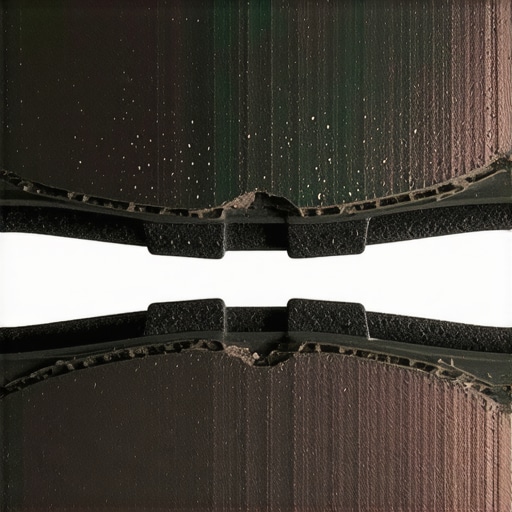 If you’ve recently upgraded your braking system and are already hearing these noises, it might be worth investigating why your new brake rotors warped in less than six months before the damage becomes irreversible. Have you noticed your car pulling to one side during these cold-start squeaks? Share your experience in the comments below so we can help you pinpoint the exact hardware failure.
Stop Chasing Ghosts with Acoustic Diagnostic Sensors
When traditional visual inspections fail, master technicians turn to wireless acoustic sensors, commonly referred to as “Chassis Ears.” By clipping these specialized microphones to various suspension and brake components, a mechanic can isolate the exact source of a cold-start squeal while the vehicle is in motion. This is crucial because many noises are load-dependent and will not manifest when the vehicle is suspended on a lift. Often, what sounds to the driver like a front-left pad squeal is actually a harmonic vibration echoing through the subframe from a rear-right caliper bracket. Identifying the specific frequency of the vibration allows for a more targeted auto repair approach, moving away from expensive “parts-cannon” guessing toward precision engineering solutions that address the root cause of the resonance.
Why Your Hub’s Lateral Runout Destroys New Rotors
Even the highest-quality rotors will eventually fail if the hub they are mounted on is not perfectly true. Lateral runout—a microscopic side-to-side wobble—is the silent killer of modern braking systems. According to detailed technical bulletins from the Akebono Brake Corporation, a runout of just 0.002 inches at the hub can lead to significant Disc Thickness Variation (DTV) within just a few thousand miles of driving. As the rotor wobbles, it makes intermittent contact with the pads even when the driver is not applying the brakes. This creates localized hot spots and uneven material transfer, which eventually causes the “morning grind” to evolve into a permanent, rhythmic vibration. Using a precision dial indicator to check the hub surface before installing new parts is a mandatory step in any professional brake service. 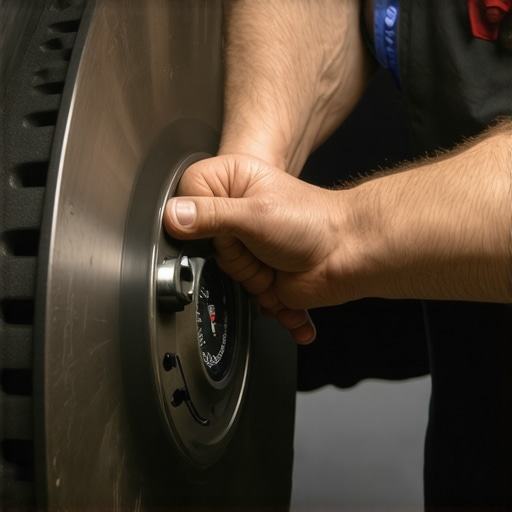 If you are noticing a pulsing sensation in the pedal alongside the morning noise, you may need to investigate the hub surface for corrosion or debris that is preventing a perfectly flush fit between the rotor and the axle.
What causes that high-pitched chirp only when you reverse out of the driveway?
This specific symptom is a classic indicator of pad shift within the caliper carrier. Brake pads are designed to have a minute amount of clearance to allow for thermal expansion during heavy use. However, when you change the direction of the rotor’s rotation by reversing, the pads are forced to shift toward the “trailing edge” of the bracket. If the stainless steel abutment clips are worn or if there is excessive play in the caliper guide pins, this shift creates a momentary misalignment that results in a sharp, short-lived squeak. This is often the first warning sign that your hardware is losing its tension and that the dampening qualities of the system are compromised. If you’ve experienced this annoying morning ritual, join our technical community in the comments below to discuss which hardware kits offer the best anti-rattle tension for your specific vehicle model and year.
The Hidden Link Between Brake Booster Vacuum and Pad Drag
In some complex diagnostic cases, the noise isn’t caused by the pads, rotors, or calipers at all, but by the vacuum system that assists your pedal effort. A failing brake booster check valve or a restricted vacuum hose can prevent the master cylinder from fully releasing hydraulic pressure when you lift your foot. This leaves the pads “kissing” the rotor with just enough force to generate heat but not enough to noticeably slow the car down. This residual pressure is often more pronounced in the morning when vacuum levels are less stable due to cold-start idle variations and high-choke conditions. During a comprehensive seasonal tune up, a technician should verify that the pedal return spring and the booster pushrod are correctly adjusted to ensure a full “zero-pressure” state. Without this complete pressure relief, the system remains in a state of perpetual friction that slowly cooks the pad resins…
Stop Ignoring the Stealthy Sway of Suspension Bushings
A savvy mechanic understands that the braking system does not exist in a vacuum; it is physically tethered to the suspension geometry. When your front-end control arm bushings or ball joints suffer from even minor compliance issues, they lose the ability to dampen the micro-oscillations generated during deceleration. This mechanical instability translates into ‘brake chatter,’ a vibration that can mimic the sound of warped rotors but actually originates from the knuckle assembly moving under load. During a high-level auto repair, checking for ‘radial play’ in the suspension is just as important as measuring the thickness of the pads. If the suspension cannot hold the wheel assembly rigid, no amount of specialized lubricant on the calipers will permanently silence the morning squeal. This is why a comprehensive tune up should always include a pry-bar test of the lower control arm bushings to ensure the entire corner of the vehicle remains harmonically stable under the immense torque of braking.
How do electric motors change the way your pads age?
For hybrid and EV owners, the morning squeal is often a symptom of under-utilization rather than wear. Regenerative braking does the heavy lifting, meaning the hydraulic pads may not see significant heat for weeks at a time. This lack of thermal activity allows for a unique type of ‘glaze’—not from heat, but from the accumulation of road film and un-scrubbed oxidation. To maintain a quiet brake service life on these vehicles, technicians recommend performing several firm ‘friction-only’ stops in a safe environment once a week. This clears the bypass-layer and re-establishes the transfer film. 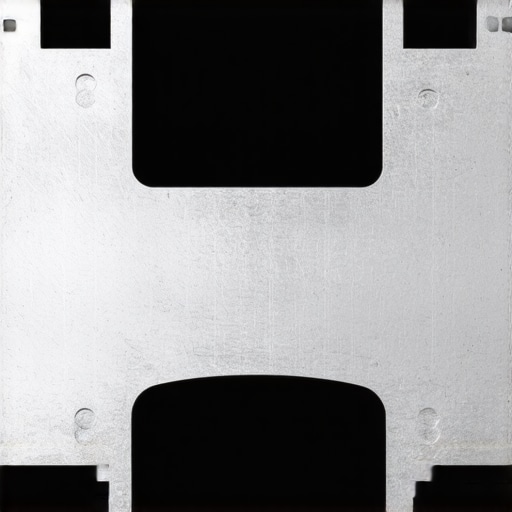 Failure to do this can lead to ‘pitting’ of the rotor surface, where moisture sits trapped against the pad for extended periods, eventually requiring a full rotor replacement long before the pads have reached their wear limits.
Mechanical Hooks Outperform Chemical Glues in Heavy Duty Applications
The structural bond between the friction material and the steel backing plate is a frequent failure point that causes high-frequency vibration. Most consumer-grade pads use chemical adhesives that can degrade over thousands of heat cycles. However, advanced engineering solutions, such as those cataloged by The Friction Materials Standards Institute (FMSI), highlight the superiority of mechanical retention systems. These systems use hundreds of tiny steel ‘hooks’—often called NRS technology—that are stamped directly into the backing plate to physically lock the friction material in place. According to technical data from these organizations, mechanical bonding prevents the ‘edge-lift’ that occurs when moisture and salt seep between the pad and the plate, causing the material to delaminate and vibrate. When you are selecting parts for your next brake service, choosing pads with mechanical retention rather than just glue is the most effective way to prevent the chronic ‘shriek’ associated with high-mileage hardware.
Is your vehicle currently suffering from a vibration that feels like it’s coming through the floorboards rather than the pedal? Tell us your vehicle’s make and model in the comments below, and our team of senior technicians will help you determine if you’re dealing with a hub-runout issue or a suspension harmonic failure. Understanding these nuances is the difference between a temporary fix and a permanent solution. For those ready to get their hands dirty, delving into the specifics of brake pad material science will help you choose the right compound for your specific climate and driving style, ensuring your morning starts are as silent as they are safe.
Expert Insights & Advanced Considerations
Ditch the Aerosols Near Your Friction Surfaces
It is a common mistake for DIYers to attempt silencing a squeak by spraying lubricants or ‘brake quiet’ aerosols directly onto the rotor face. You should never use silicone spray on your brake rotors because it compromises the friction coefficient and can lead to dangerous brake fade. Professional diagnostics focus on the backing plate and slide pins, never the friction surface itself. Keeping the rotors chemically pure is the first rule of high-performance maintenance.
Clean the Hub Surface or Face the Wobble
Most vibrations blamed on ‘warped’ rotors are actually caused by lateral runout resulting from debris trapped behind the rotor. Performing the $10 hub scrub that stops brake vibrations is a mandatory step for any master technician. By removing flash rust from the wheel hub before installation, you ensure a perfectly true rotation, which prevents the intermittent contact that causes morning noise and pedal pulsation.
Stop the Cycle of Premature Rotor Failure
If you find yourself replacing hardware every few months, you aren’t solving the root cause. Understanding why your new brake rotors warped in less than six months often reveals issues with caliper piston retraction or aggressive driving before the pads were properly bedded. A strategic brake service must address these mechanical environmental factors to prevent the friction material from glazing under high-heat conditions.
Curated Expert Resources
SAE International Brake Colloquium
This is the gold standard for research on Brake Noise, Vibration, and Harshness (NVH). It provides peer-reviewed data on how different material densities and atmospheric conditions contribute to the harmonic frequencies we hear as squeals.
The Friction Materials Standards Institute (FMSI)
An essential database for professionals to cross-reference pad blueprints and backing plate designs. This resource is vital for ensuring that aftermarket hardware matches the original equipment specifications for dampening and fitment.
Akebono Technical Bulletins
These provide deep-dive engineering insights into ceramic friction technology. They are particularly useful for understanding the ‘transfer layer’ and how moisture-induced oxidation disrupts the chemistry of the rotor surface during cold starts.
Final Expert Perspective
Solving morning brake noise requires moving beyond superficial fixes and addressing the harmonic integrity of the entire wheel assembly. From moisture absorption in the fluid to lateral runout at the hub, every component must work in a state of zero-vibration. A comprehensive brake service is not just a parts replacement; it is a precision calibration that ensures your vehicle remains silent and safe regardless of the temperature. By implementing these high-level brake maintenance hacks, you move from reactive repairs to proactive engineering. #IMAGE_PLACEHOLDER_E# We invite you to share your diagnostic success stories or challenging symptoms in the comments below to further our collective understanding of modern braking systems.