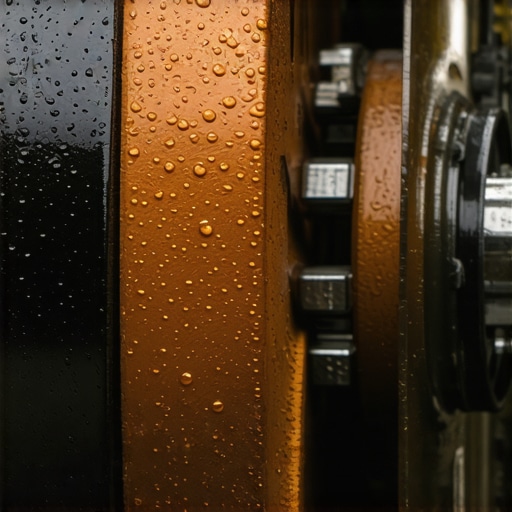
The High-Humidity Catalyst Behind That Orange Film
For many vehicle owners, walking out to find once-shiny brake rotors coated in a layer of orange dust after a single humid night feels like an omen of mechanical failure. However, from a metallurgical standpoint, this rapid oxidation is a predictable chemical reaction inherent to the ferrous alloys used in modern braking systems. Rather than a sign of neglect, flash rust is often a byproduct of the high carbon content required for thermal stability during aggressive deceleration. When the iron surface is exposed to moisture—be it from heavy dew or a recent rain—the oxygen in the water reacts with the iron at the atomic level. This results in a thin layer of iron oxide that manifests in a matter of hours, a process accelerated by the lack of protective coatings on the friction ring itself.
Why Your Specific Pad Material Might Accelerate Rotational Decay
The interaction between the pad and the rotor is more than just mechanical friction; it is electrochemical. Semi-metallic pads, which contain high concentrations of steel or iron particles, can create a galvanic environment when moisture is present. This environment often leads to a phenomenon known as stiction, where the pad material essentially fuses to the rotor surface via oxidation bridges. If you have ever felt a slight pop or resistance when moving your vehicle after it has been parked in the rain, you are witnessing the physical break of these rust bonds. If you are noticing persistent issues with your braking feel, you may need to diagnose why your brake pedal feels hard as a rock after these cycles of oxidation. It is vital to understand that while surface rust is generally harmless, deep pitting can compromise the structural integrity of the rotor, leading to new brake rotors warping in less than six months due to uneven heat distribution and localized hotspots during heavy use.
Does This Surface Oxidation Actually Compromise Your Stop-Distance?
Technically, the very first stop you make with rusted rotors might feel slightly gritty as the pads scour the oxidation away. However, once the abrasive action of the pads clears the surface, braking performance usually returns to peak efficiency. The real danger lies in prolonged storage where the rust can penetrate deeper into the casting, causing rust-jacking or uneven pad deposits. This is why seasoned mechanics emphasize the importance of regular vehicle use to keep these surfaces clean. According to research published by SAE International, the material composition of the rotor must balance durability with friction coefficients, making standard cast iron the industry choice despite its susceptibility to atmospheric corrosion. To keep your system in peak condition, explore our brake maintenance hacks to prevent costly failures before minor surface issues turn into structural defects. If you are curious about more advanced diagnostic techniques, contributing your own observations on brake feel to professional forums can help refine your understanding of brake service nuances.
The Environmental Factors You Can Actually Control
While you cannot control the ambient humidity, you can influence the conditions under which your vehicle is stored. Parking in a garage with proper ventilation significantly reduces the dew point on metal surfaces, slowing the oxidation process. Furthermore, high-performance rotors often come with specialized Zinc or Geomet coatings on the non-friction surfaces to prevent aesthetic rust, though the friction ring itself must remain bare iron to facilitate the necessary friction. Understanding these distinctions is key to a proper auto repair strategy that focuses on longevity rather than just immediate cosmetic fixes. Regular inspection of the rotor face for deep pitting or scoring is essential during any tune up or routine inspection.
How Hidden Oxidation Inside the Caliper Bracket Causes Uneven Wear
While the orange film on the rotor face is often a cosmetic nuisance, the real danger lies where the eye cannot easily see: the caliper mounting bracket and slide pins. When moisture penetrates the rubber boots of these components, it creates a localized pocket of corrosion that physically restricts the caliper’s movement. This mechanical binding, often referred to as ‘seized hardware,’ prevents the pads from retracting fully after you lift your foot from the pedal. The result is a constant, light friction that overheats the rotor and causes premature glaze on the pad surface. If you notice your car pulling to one side or feel an unusual heat radiating from a single wheel, you should learn how to rescue a seized brake caliper slide pin before the friction material is completely destroyed. This type of internal rust is far more insidious than surface oxidation because it directly affects the hydraulic balance of the system.
Can You Really Predict Brake Fade Based on Visual Rust Patterns?
Determining the health of your braking system by sight alone requires a keen eye for the difference between a ‘bloom’ and ‘pitting.’ A uniform layer of orange dust is a sign of a healthy, active braking surface that is simply reacting to the air. However, if you see dark, jagged craters or sections where the metal looks like it is flaking away in scales, you are dealing with deep-core oxidation. This degradation reduces the effective surface area of the rotor, which significantly diminishes the heat-sink capacity of the metal. Under heavy braking, this leads to rapid thermal expansion and ‘pulsing.’ Before you commit to an expensive replacement, it is worth exploring how to stop your brakes from pulsing without new parts, as sometimes a professional resurfacing can save the component if the pitting hasn’t reached the minimum thickness limit. Expert technicians use micrometers to ensure that once the rust is machined away, the rotor still has enough mass to safely dissipate heat.
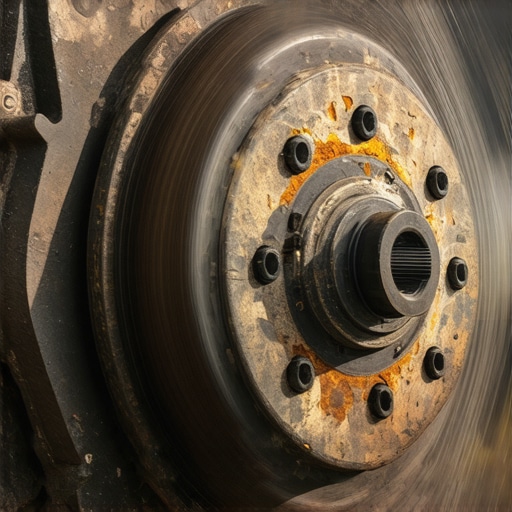
Why Winter Road Salt Turns Minor Rust Into a Seized Disaster
For those living in the ‘salt belt,’ the chemical acceleration of rust is a primary concern. Magnesium chloride and traditional road salts act as electrolytes, dramatically speeding up the galvanic corrosion process between the steel brake lines and the cast iron rotors. This chemical bath doesn’t just eat the rotors; it can compromise the integrity of the hydraulic lines themselves. According to safety data provided by the National Highway Traffic Safety Administration (NHTSA), salt-induced corrosion is a leading factor in unexpected brake line ruptures in older vehicles. If you live in these regions, a simple visual check isn’t enough. You must monitor your fluid levels closely, as why your brake fluid level keeps dropping slowly could be the first warning sign of a pinhole leak caused by road-salt corrosion. Transitioning to a ceramic-based pad can sometimes mitigate the ‘stiction’ issues found in winter, but nothing replaces a thorough undercarriage wash after a snowstorm.
Identify Deep Corrosion Without Removing the Wheels
You don’t always need a lift and a pneumatic wrench to assess the damage. By using a high-lumen flashlight, you can inspect the ‘vane’ area—the cooling fins between the two faces of a vented rotor. If these vanes are clogged with heavy rust scale, the rotor cannot breathe, leading to fluid boiling and a terrifying sensation where your brake pedal goes to the floor after a long drive. This thermal failure is a direct consequence of rust-choked cooling channels. While you are there, take a moment to look at the pad’s edge; we have a guide on the simple way to check your brake pad thickness through the rim that can save you a trip to the shop. Do you have a specific sound or vibration that only happens after a rainy day? Share your experience in the comments below, or let us know if you’ve found a specific coating that actually keeps your rotors looking new.
Keep Your ABS from Freaking Out Over Rusty Tone Rings
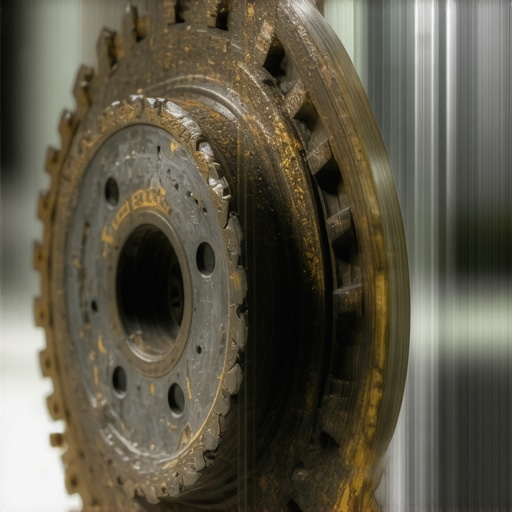
While most drivers focus on the friction surface of the rotor, the most technically sensitive area is often the ABS tone ring or reluctor ring located on the axle or the rotor hub. This serrated metal ring provides the speed data your car’s computer needs to prevent wheel lockup. When rust begins to bloom between these teeth, the magnetic sensor can no longer distinguish the individual gaps. This lack of signal clarity often manifests as a vibrating brake pedal during low-speed stops on perfectly dry pavement—a phenomenon known as ‘false activation.’ If the oxidation becomes severe enough to actually crack the ring, the system will likely disable your traction control entirely. Inspecting these rings for debris and scale is a critical step in any advanced brake diagnostic, especially on vehicles that have spent years in coastal or winter climates.
The Internal Decay You Can’t See Through the Spokes
The danger of moisture isn’t limited to the external iron surfaces; it is a silent killer within the hydraulic lines. Conventional glycol-based brake fluid is hygroscopic, meaning it actively pulls moisture out of the atmosphere through microscopic pores in the rubber hoses and the reservoir cap seal. Once water enters the system, it doesn’t just lower the boiling point of the fluid; it settles in the lowest points of the calipers and the ABS hydraulic control unit (HCU). This internal moisture causes the steel pistons and internal valves to corrode from the inside out. The Automotive Maintenance and Repair Association (AMRA) suggests that fluid containing more than 3% moisture can lead to significant internal component failure and compromised safety. This is why a simple visual check of the rotors is never enough; you must monitor the chemical health of your fluid to prevent the internal pitting of expensive hydraulic modules.
Can severe rotor oxidation trigger a false ABS activation?
Yes, and the mechanism is more complex than a simple sensor blockage. When a rotor develops heavy rust scales on its outer edge or internal vanes, these flakes can break off and become magnetically attached to the ABS sensor tip. Because these sensors are often Hall-effect or inductive pickups, any metallic debris interferes with the square-wave signal sent to the ECU. The computer interprets this ‘noise’ as a wheel locking up, causing the pump to cycle unnecessarily. If you are experiencing strange pedal feedback at speeds under 10 mph, it is highly probable that rust debris has compromised the air gap between the sensor and the reluctor ring. Cleaning the sensor face with a dedicated electronic cleaner and a soft brush can often resolve these ghost issues without the need for part replacement.
Shield Your Hardware with the Right Synthetic Barrier
Once you have scrubbed away the surface scale, the battle against the elements requires a proactive defense. Using the wrong lubricant on brake components can be as damaging as the rust itself. Petroleum-based greases will cause the rubber dust boots and seals to swell and eventually tear, inviting even more moisture into the system. Instead, advanced technicians utilize high-solids ceramic or silicone-based lubricants that are specifically engineered to withstand the extreme thermal cycles of the braking system. Applying a thin, even layer of these synthetics to the ‘ears’ of the brake pads and the contact points on the caliper bracket creates a hydrophobic barrier that prevents oxidation from bonding the components together. If you are unsure whether your current setup is protected, it might be time to invest in a digital moisture tester or a high-quality synthetic grease to ensure your hardware remains free-floating and responsive. Have you checked the color of your brake fluid recently? A dark, tea-like appearance is a definitive sign that internal corrosion is already underway.
Stop the Creep of Rust with Advanced Synthetic Lubricants
The evolution of brake hardware has led to tighter tolerances than ever before, making even a few microns of rust a potential cause for mechanical binding. In modern ‘floating’ caliper designs, the bracket must allow the pads to slide with minimal resistance. When rust builds up under the stainless steel abutment clips—a process sometimes called ‘rust-jacking’—it pinches the pad in place. This prevents the pad from sitting flat against the rotor, leading to tapered wear and a spongy pedal feel. Addressing this requires more than just a quick spray of brake cleaner; it requires a physical removal of the oxidation down to the bare casting followed by the application of a specialized corrosion inhibitor.
Rotor Runout is the Hidden Cost of Uneven Rust Deposits
While surface oxidation might appear uniform, it rarely develops at a consistent depth across the entire swept area of the rotor. When a vehicle sits for an extended period, the portion of the rotor covered by the pads remains relatively protected, while the exposed surface accumulates a thicker layer of iron oxide. This creates a microscopic ‘step’ in the metal. Even after the abrasive action of the pads clears the surface, the physical thickness of the rotor can vary by as little as 0.002 inches—a discrepancy known as Lateral Runout. This variation is the primary culprit behind steering wheel oscillation and pedal pulsation. If you find your brakes still feel uneven after a long highway drive, you may need to evaluate how to stop your brakes from pulsing without new parts to see if the rotor can be salvaged through high-precision machining.
The Bedding-In Shield That Oxygen Can’t Penetrate
Many drivers overlook the critical ‘bedding-in’ or ‘burnishing’ process when installing new hardware. This isn’t just about mating the surfaces; it is about chemistry. During a proper bedding cycle, the heat generated by controlled stops transfers a thin, uniform layer of friction material from the pad to the rotor face. This ‘transfer layer’ acts as a chemical barrier, significantly reducing the amount of bare iron exposed to the atmosphere. Without this layer, the rotor is defenseless against humidity. A well-maintained transfer layer not only improves stopping power but also provides a level of sacrificial protection that makes it harder for flash rust to take root during overnight storage.
Can high-carbon rotors actually resist oxidation better than standard cast iron?
While the term ‘high-carbon’ suggests a more robust material, its primary purpose is thermal management rather than corrosion resistance. High-carbon rotors are designed with a higher concentration of graphite flakes, which improves thermal conductivity and dampens noise. However, according to metallurgical standards defined by ASM International, the higher carbon content does not inherently prevent oxidation. In fact, without specific alloying elements like chromium or nickel—which are rarely used in standard passenger car rotors due to cost—iron will always seek to return to its natural state as iron oxide. The advantage of high-carbon rotors lies in their ability to survive the heat of ‘scrubbing’ away rust without developing the localized hot spots that lead to permanent structural warping.
Electronic Parking Brakes Meet the Threat of Terminal Corrosion
Modern vehicles equipped with Electronic Parking Brakes (EPB) face a unique challenge that older cable-actuated systems did not. The EPB utilizes a small electric motor and a screw-drive mechanism mounted directly to the caliper. Because these units are located in the direct path of road spray and winter brine, any breach in the protective seals allows moisture to enter the internal gear housing. Rust inside these actuators can cause the motor to overwork, leading to a blown fuse or a complete system failure that leaves the brakes permanently engaged. Keeping these seals intact is a vital part of modern brake service that goes beyond just checking the pads.
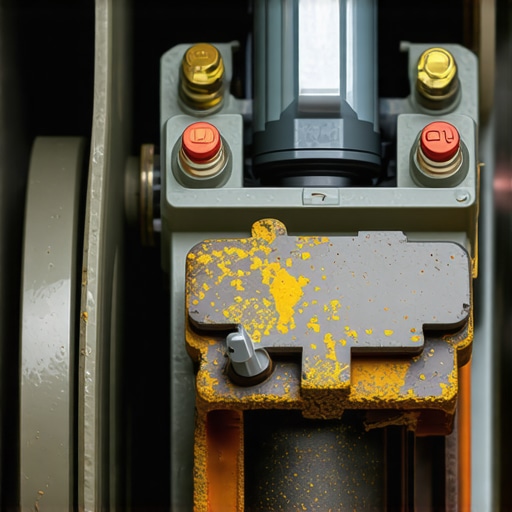
Protect the Backing Plates to Prevent Debris Shredding
Often dismissed as simple ‘dust shields,’ the metal backing plates situated behind the rotors play a crucial role in managing airflow and protecting the suspension from radiant heat. However, as these plates age, they succumb to ‘edge rot.’ Large flakes of rusted backing plate can break off and become lodged between the rotor and the pad, or worse, between the rotor and the ABS sensor. This creates a horrific grinding noise that many drivers mistake for total brake failure. When performing a simple way to check your brake pad thickness through the rim, always use a flashlight to check the structural integrity of these shields. If they are flaking, they should be trimmed or replaced to prevent catastrophic debris interference. Is your vehicle making a high-pitched squeal that changes with wheel speed? It might not be your wear indicators; it could be a rusted shield touching the rotor face. Join our community discussion and tell us what strange brake noises you’ve conquered lately!
The High-Humidity Catalyst Behind That Orange Film
For many vehicle owners, walking out to find once-shiny brake rotors coated in a layer of orange dust after a single humid night feels like an omen of mechanical failure. However, from a metallurgical standpoint, this rapid oxidation is a predictable chemical reaction inherent to the ferrous alloys used in modern braking systems. Rather than a sign of neglect, flash rust is often a byproduct of the high carbon content required for thermal stability during aggressive deceleration. When the iron surface is exposed to moisture—be it from heavy dew or a recent rain—the oxygen in the water reacts with the iron at the atomic level. This results in a thin layer of iron oxide that manifests in a matter of hours, a process accelerated by the lack of protective coatings on the friction ring itself.
Why Your Specific Pad Material Might Accelerate Rotational Decay
The interaction between the pad and the rotor is more than just mechanical friction; it is electrochemical. Semi-metallic pads, which contain high concentrations of steel or iron particles, can create a galvanic environment when moisture is present. This environment often leads to a phenomenon known as stiction, where the pad material essentially fuses to the rotor surface via oxidation bridges. If you have ever felt a slight pop or resistance when moving your vehicle after it has been parked in the rain, you are witnessing the physical break of these rust bonds. If you are noticing persistent issues with your braking feel, you may need to diagnose why your brake pedal feels hard as a rock after these cycles of oxidation. It is vital to understand that while surface rust is generally harmless, deep pitting can compromise the structural integrity of the rotor, leading to new brake rotors warping in less than six months due to uneven heat distribution and localized hotspots during heavy use.
Does This Surface Oxidation Actually Compromise Your Stop-Distance?
Technically, the very first stop you make with rusted rotors might feel slightly gritty as the pads scour the oxidation away. However, once the abrasive action of the pads clears the surface, braking performance usually returns to peak efficiency. The real danger lies in prolonged storage where the rust can penetrate deeper into the casting, causing rust-jacking or uneven pad deposits. This is why seasoned mechanics emphasize the importance of regular vehicle use to keep these surfaces clean. According to research published by SAE International, the material composition of the rotor must balance durability with friction coefficients, making standard cast iron the industry choice despite its susceptibility to atmospheric corrosion. To keep your system in peak condition, explore our brake maintenance hacks to prevent costly failures before minor surface issues turn into structural defects. If you are curious about more advanced diagnostic techniques, contributing your own observations on brake feel to professional forums can help refine your understanding of brake service nuances.
The Environmental Factors You Can Actually Control
While you cannot control the ambient humidity, you can influence the conditions under which your vehicle is stored. Parking in a garage with proper ventilation significantly reduces the dew point on metal surfaces, slowing the oxidation process. Furthermore, high-performance rotors often come with specialized Zinc or Geomet coatings on the non-friction surfaces to prevent aesthetic rust, though the friction ring itself must remain bare iron to facilitate the necessary friction. Understanding these distinctions is key to a proper auto repair strategy that focuses on longevity rather than just immediate cosmetic fixes. Regular inspection of the rotor face for deep pitting or scoring is essential during any tune up or routine inspection.
How Hidden Oxidation Inside the Caliper Bracket Causes Uneven Wear
While the orange film on the rotor face is often a cosmetic nuisance, the real danger lies where the eye cannot easily see: the caliper mounting bracket and slide pins. When moisture penetrates the rubber boots of these components, it creates a localized pocket of corrosion that physically restricts the caliper’s movement. This mechanical binding, often referred to as ‘seized hardware,’ prevents the pads from retracting fully after you lift your foot from the pedal. The result is a constant, light friction that overheats the rotor and causes premature glaze on the pad surface. If you notice your car pulling to one side or feel an unusual heat radiating from a single wheel, you should learn how to rescue a seized brake caliper slide pin before the friction material is completely destroyed. This type of internal rust is far more insidious than surface oxidation because it directly affects the hydraulic balance of the system.
Can You Really Predict Brake Fade Based on Visual Rust Patterns?
Determining the health of your braking system by sight alone requires a keen eye for the difference between a ‘bloom’ and ‘pitting.’ A uniform layer of orange dust is a sign of a healthy, active braking surface that is simply reacting to the air. However, if you see dark, jagged craters or sections where the metal looks like it is flaking away in scales, you are dealing with deep-core oxidation. This degradation reduces the effective surface area of the rotor, which significantly diminishes the heat-sink capacity of the metal. Under heavy braking, this leads to rapid thermal expansion and ‘pulsing.’ Before you commit to an expensive replacement, it is worth exploring how to stop your brakes from pulsing without new parts, as sometimes a professional resurfacing can save the component if the pitting hasn’t reached the minimum thickness limit. Expert technicians use micrometers to ensure that once the rust is machined away, the rotor still has enough mass to safely dissipate heat.
Expert Insights & Advanced Considerations
Clean the Hub or Expect Pedal Shudder
Even a microscopic layer of rust between the wheel hub and the rotor hat can throw off the entire alignment of the braking surface. This is why a 15-dollar hub clean-up that fixes steering wheel shake is more effective than just throwing new parts at the car. When you neglect this surface, you invite lateral runout that translates directly into your foot every time you hit the pedal during a stop.
Why Copper Content Matters in Your Brake Fluid
Professional technicians don’t just look for moisture; they look for dissolved copper. As the internal plating of your brake lines corrodes, copper ions leach into the fluid. Using test strips to monitor this chemical degradation is part of the essential tune up tips to boost your car’s performance in 2025, as it predicts line failure long before a leak occurs. Keeping the fluid fresh prevents internal components from seizing from the inside out.
The Myth of the Warped Rotor
Most ‘warped’ rotors are actually suffering from uneven cementite formation. When brake pads sit against a hot, rusted rotor, carbon from the pad material migrates into the iron, creating hard spots that don’t wear down at the same rate as the surrounding metal. Once these spots form, even a professional brake service may struggle to resurface the rotor successfully, often requiring full replacement to restore a smooth stop.
Curated Expert Resources
SAE International Technical Papers
This is the gold standard for metallurgy and engineering. Their research papers provide deep technical dives into how grey cast iron reacts to road salt and the mechanical properties of friction materials in extreme weather conditions.
Brake & Front End Magazine
A vital resource for industry professionals, this publication offers monthly case studies on emerging brake system failures and the latest specialized tools required to maintain modern electronic braking hardware in high-corrosion zones.
The iATN Professional Network
The International Automotive Technicians Network provides a database of real-world diagnostic solutions shared by master mechanics. It is an excellent place to see how specific rust patterns affect unique vehicle models across different climates.
Stop Reacting and Start Predicting
#IMAGE_PLACEHOLDER_E#
Navigating the line between harmless cosmetic oxidation and dangerous structural pitting requires a shift from reactive repairs to predictive brake service strategies that save you money and extend brake life. By understanding that iron oxide is a relentless chemical process, you can employ better storage habits and higher-quality synthetic barriers to keep your stopping power consistent. Do you have a specific technique for keeping your hardware clean in humid climates, or have you discovered a coating that actually lives up to the marketing hype? Share your professional observations in the comments below as we continue to refine our collective approach to vehicle safety and longevity.