
Automotive climate control systems are marvels of thermodynamic engineering, yet they remain susceptible to localized failures that manifest in frustrating ways. One of the most common complaints presented to a mechanic involves an air conditioning system that performs adequately at highway speeds but fails significantly when the vehicle comes to a halt. This phenomenon is rarely a mystery to those steeped in thermal management; it is almost always an issue of heat rejection efficiency or refrigerant mass flow. When your vehicle is in motion, ‘ram air’ is forced through the condenser, facilitating the transition of high-pressure gas into a liquid state. Without this forced induction of ambient air, the system relies entirely on mechanical or electrical components to prevent heat soak. Identifying the root cause requires a systematic approach to auto repair that goes beyond simply ‘topping off’ the Freon.
Why Your AC Needs Constant Airflow to Function Properly
The condenser, located just in front of the radiator, serves as the primary heat exchanger for the AC system. Its job is to shed the heat absorbed from the cabin into the outside atmosphere. At cruising speeds, the volume of air passing through the fins is immense, often masking a failing component. However, when you stop at a red light, the system must create its own airflow. If the shroud is damaged or the fins are clogged with road debris, the exchange of energy stalls, causing high-side pressures to skyrocket and cooling to cease. Expert technicians often recommend checking the cabin filter first, but if the airflow issue is external, the condenser is the culprit. Maintaining this component is just as vital as a regular tune up for ensuring long-term vehicle reliability.
The Hidden Link Between Fan Relays and Cabin Temperature
Modern vehicles utilize sophisticated electric fan assemblies that should trigger as soon as the AC compressor engages. If these fans fail to spin up, the refrigerant remains a hot, high-pressure gas, and your vents will blow lukewarm air. This failure is frequently electrical rather than mechanical. A blown fuse, a melted relay, or a faulty coolant temperature sensor can prevent the fans from activating at low speeds. You can often perform the simple way to test your radiator fan at home to verify if the motors are receiving power. In many cases, a mechanic will find that the fan works on ‘high’ but the ‘low’ speed resistor has failed, leading to intermittent cooling issues that only vanish when the car provides its own airflow through movement.
Does a Weak Compressor Require Higher Engine Speeds to Maintain Pressure?
In some advanced diagnostic scenarios, the issue isn’t airflow at all, but rather the internal efficiency of the compressor itself. As a compressor ages, its internal seals may wear, preventing it from maintaining the necessary pressure differential at low RPMs. When you accelerate, the increased crankshaft speed spins the compressor faster, allowing it to overcome internal bypass leaks and finally reach the pressures required for evaporation. This is a complex auto repair challenge because it mimics the symptoms of low refrigerant. According to the SAE International J2765 standard, mobile air conditioning performance is strictly tied to both compressor displacement and airflow rates. If you suspect your system is underperforming, consider how a top-rated mechanic ensures safe auto repairs by using manifold gauges to observe pressure behavior at different engine speeds.
Why Low Refrigerant Levels Mimic Fan Failure at Traffic Lights
It may seem counterintuitive, but a system that is slightly low on charge will often struggle more at idle than at speed. When refrigerant levels drop, the system operates at the edge of its performance envelope. The extra cooling provided by highway air and the higher compressor speeds of driving can be just enough to keep the evaporator core cold. Once the RPMs drop, the system loses that thin margin of efficiency. If you find yourself frequently needing to recharge the system, you likely have a slow leak that needs professional attention. While you might be focused on other maintenance like a brake service, neglecting a small AC leak can lead to moisture entering the system, which causes expensive internal corrosion. If you are experiencing other performance issues alongside AC failure, consult our guide on the essential guide to auto repair for a comprehensive vehicle health check. Proper diagnostics are the only way to avoid the ‘parts cannon’ and fix the problem right the first time.
[image_placeholder]
Beyond refrigerant levels, we must address the “thermal stack”—the physical sandwich of the condenser, radiator, and often an oil cooler or intercooler. In a high-performance environment, these components are separated by mere millimeters. If the radiator is struggling to shed engine heat due to internal scaling, it effectively pre-heats the air before it ever reaches the AC condenser. This “heat soak” is a primary reason for cooling failure at idle, as the static air between the components becomes an insulator rather than a cooling medium. If your engine temperatures are even slightly elevated, the AC system suffers first as a secondary symptom. Utilizing the 10 dollar hack for testing your radiator cap can reveal if a loss of cooling system pressure is indirectly sabotaging your cabin comfort. Furthermore, road debris trapped between these heat exchangers creates an invisible barrier to efficiency. A thorough cleaning of the fins, combined with ensuring the correct way to flush your coolant without air pockets, can often restore AC performance by significantly lowering the ambient temperature in the engine bay during stop-and-go driving.
Is Your Car’s Computer Intentionally Killing the Cool?
Modern Engine Control Units (ECUs) are programmed with a strict hierarchy of needs, and cabin comfort is frequently sacrificed for mechanical survival. When the vehicle is idling, the engine is at its most vulnerable state regarding heat dissipation and oil pressure. If the ECU detects an impending overheat condition through the coolant temperature sensor, it will proactively disengage the AC compressor clutch to reduce the parasitic mechanical load. This “load shedding” is a protective measure that many drivers mistake for a broken HVAC system. If you notice your RPMs dipping or surging just before the air gets warm, you might be dealing with an engine management issue rather than a refrigerant leak. Expert auto repair often involves looking at mechanic tips for diagnosing common auto problems to see if a dirty throttle body or a vacuum leak is causing the computer to disable the AC to keep the engine from stalling. 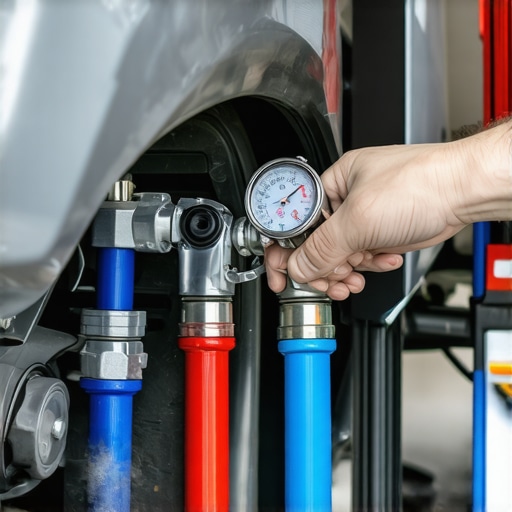
The Invisible Failure of Variable Displacement Control Valves
If your car was built in the last decade, it might not have a traditional AC clutch that clicks on and off. Instead, it likely uses a variable displacement compressor that stays engaged constantly, utilizing an internal swash plate to adjust output. These units rely on an electronic control valve to change the piston stroke based on cooling demand. When these valves fail—often due to tiny particles of carbon or metal debris—they get stuck in a “low displacement” mode. This means the compressor is barely moving any refrigerant at idle, only becoming effective once the engine reaches higher RPMs and forces higher mechanical velocity. Unlike a traditional mechanical failure, this won’t show up as a “broken” part on a visual inspection. A mechanic must use an oscilloscope to verify the pulse-width modulation (PWM) signal reaching the valve. Often, replacing the 12 dollar sensor that fixes your rough idle or the specific compressor control valve can save you hundreds of dollars. According to technical bulletins from the Mobile Air Climate Systems Association (MACS), an improperly modulated valve is the leading cause of “warm at idle” complaints in modern European and Japanese vehicles. If you are struggling to pinpoint the issue, we suggest getting the most from your mechanic by asking the right questions about compressor duty cycles and pressure transducer readings to ensure an accurate, cost-effective fix.
The High Cost of a Clogged Expansion Valve
While we often look at the big components, the expansion valve is a tiny gatekeeper that can bring the whole system to its knees. If this valve becomes restricted by “black death”—a slurry of disintegrated compressor seals and old oil—it won’t allow enough refrigerant through at low idle speeds. This restriction causes the evaporator to starve, leading to that dreaded lukewarm air while you wait for the light to change. If you’ve already checked your fans and refrigerant, a mechanic might need to perform a “touch test” on the inlet and outlet pipes to see if the temperature drop is happening where it should. This requires a nuanced understanding of pressure-temperature relationships that only comes with years of auto repair experience, ensuring that small flow issues don’t escalate into a total system lockup.
Why does my AC blow cold only after I spray the radiator with a hose?
This is one of the most revealing “backyard” diagnostic tests you can perform. If your AC is warm at a standstill but turns icy the moment you mist the condenser with water, you have a definitive airflow or heat rejection problem. The water acts as a massive heat sink, doing the work that your cooling fans or clean condenser fins should be doing. It proves the compressor is actually working, but the heat has nowhere to go. 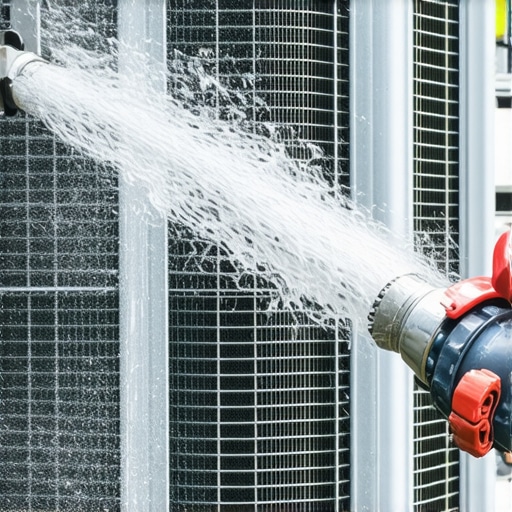 This often points to a failing fan motor that lacks the torque to pull enough CFM (cubic feet per minute) through the “thermal stack” at idle, or perhaps the condenser fins are so flattened by years of car washes and road debris that they can no longer transfer heat to the air. If you see immediate results from this test, it’s time to stop looking at the compressor and start looking at your fan shroud and motor health.
Keep Moisture Out to Save Your Compressor
Contamination is the second silent killer of idle performance. Inside your AC system is a component called the receiver-drier or accumulator, which contains a desiccant bag designed to absorb microscopic amounts of water. Once this bag is saturated, moisture begins to circulate with the refrigerant. According to technical data from Delphi Technologies, moisture is the leading cause of internal valve icing and acid formation. When the engine idles and the pressures stabilize, this moisture can actually freeze at the expansion valve, physically blocking the flow of refrigerant until the engine revs up and the heat load increases enough to melt the plug. If you’re having auto repair done after a leak, always insist that the receiver-drier be replaced to maintain this moisture-wicking capability. For those interested in preventing these costly issues, our guide on the essential guide to auto repair covers how to spot early signs of system contamination before they destroy your compressor.
Check the Belt Tension Before Buying New Parts
Don’t overlook the mechanical link between the engine and the compressor: the serpentine belt. At idle, the engine is turning at its lowest RPM, and if the belt tensioner is weak, the belt may slip just enough under the heavy load of the AC compressor to reduce its efficiency without making a perceptible squeal. This is especially common during a tune up where the belt was replaced but the tensioner was ignored. A slipping belt prevents the compressor from reaching the necessary “break-away” torque required to move the refrigerant effectively when there is no centrifugal momentum from higher speeds. As you start to move, the increased pulley speed provides enough friction to overcome the slip, which is why the air suddenly gets colder as you pull away. Ensuring your brake service and belt inspections are done simultaneously can catch these overlapping maintenance needs. Furthermore, the pressure transducer—a sensor that monitors high-side pressure—sends a voltage signal back to the computer. If the system voltage drops at idle due to a weak alternator or poor ground, this signal can become skewed, leading the computer to believe the pressure is too high and cycling the compressor off prematurely. If you find your car struggling with various electrical loads as well, you may need to look into whether the alternator is providing enough voltage to keep the AC clutch coil fully energized during those low-idle moments, as a weak magnetic field can also cause subtle slippage that mimics a failing mechanical component…
Stop Letting Air Skip Around Your Condenser
Experienced technicians know that the physical positioning of the cooling assembly is just as critical as the components themselves. If you have recently had front-end auto repair or a radiator replacement, the plastic shrouding and foam seals that direct airflow might have been discarded or misaligned. At high speeds, the sheer force of the wind compensates for these gaps, but at a standstill, the cooling fan creates a vacuum. If the seals are missing, the fan pulls ‘recycled’ hot air from the engine bay around the sides of the condenser instead of pulling fresh, ambient air through the fins. This thermal short-circuiting is a common reason for poor AC performance at stoplights. Ensuring every piece of plastic trim is correctly fastened during your next tune up can make the difference between a cabin that stays frosty and one that becomes a sauna the moment you stop moving. 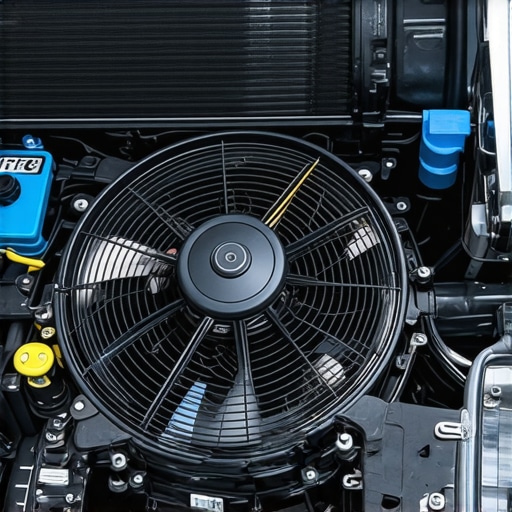
Is Your Ambient Air Sensor Misreading the Real World?
Modern climate control systems are highly dependent on data from the ambient air temperature sensor, usually located behind the grille. If this sensor is coated in road grime or has shifted closer to the radiator, it may provide an artificially high reading to the car’s computer. Conversely, if the sensor is failing and reporting a temperature that is too low, the ECU may decide that AC cooling isn’t necessary, reducing the duty cycle of the compressor. A mechanic using a high-end scan tool can compare the sensor’s reading to the actual outside temperature. If there is a discrepancy of more than a few degrees, your system logic will be fundamentally flawed, leading to inconsistent cooling that often worsens when the vehicle isn’t moving and heat soak is at its peak.
Voltage Drop Could Be Starving Your Clutch
Electrical resistance is a silent killer of idle efficiency. At 800 RPM, your alternator is working hard to maintain the electrical load of the fuel pump, ignition system, and cooling fans. If there is corrosion in the AC clutch circuit, the available voltage may drop below the threshold required to keep the compressor’s electromagnetic clutch firmly engaged. According to technical bulletins from Denso Aftermarket, even a minor voltage drop can cause the clutch to slip slightly, which creates heat and eventually warps the friction plate. This slippage is often silent but results in a significant loss of pumping power exactly when you need it most. Including a battery and charging system check with your regular brake service can help identify these electrical bottlenecks before they lead to an expensive compressor replacement.
The Dangerous Illusion of a Quick DIY Recharge
One of the most frequent mistakes drivers make is using ‘store-bought’ refrigerant cans to fix a warm-at-idle issue. These kits often include a stop-leak additive that can gum up the precise internals of a variable displacement compressor. Furthermore, it is incredibly easy to overcharge a system without using a manifold gauge set that reads both high and low pressures. An overcharged system creates ‘slugging,’ where liquid refrigerant enters the compressor, or causes the high-pressure switch to trip constantly at idle because the condenser cannot shed the excess heat quickly enough. Proper auto repair requires a precise weight-based charge to ensure the thermodynamics of the system are balanced. If your AC is acting up, don’t guess with a retail can; reach out to a certified expert to perform a professional evacuation and recharge to protect your vehicle’s long-term health.
Automotive climate control systems are marvels of thermodynamic engineering, yet they remain susceptible to localized failures that manifest in frustrating ways. One of the most common complaints presented to a mechanic involves an air conditioning system that performs adequately at highway speeds but fails significantly when the vehicle comes to a halt. This phenomenon is rarely a mystery to those steeped in thermal management; it is almost always an issue of heat rejection efficiency or refrigerant mass flow. When your vehicle is in motion, ‘ram air’ is forced through the condenser, facilitating the transition of high-pressure gas into a liquid state. Without this forced induction of ambient air, the system relies entirely on mechanical or electrical components to prevent heat soak. Identifying the root cause requires a systematic approach to auto repair that goes beyond simply ‘topping off’ the Freon.
Why Your AC Needs Constant Airflow to Function Properly
The condenser, located just in front of the radiator, serves as the primary heat exchanger for the AC system. Its job is to shed the heat absorbed from the cabin into the outside atmosphere. At cruising speeds, the volume of air passing through the fins is immense, often masking a failing component. However, when you stop at a red light, the system must create its own airflow. If the shroud is damaged or the fins are clogged with road debris, the exchange of energy stalls, causing high-side pressures to skyrocket and cooling to cease. Expert technicians often recommend checking the cabin filter first, but if the airflow issue is external, the condenser is the culprit. Maintaining this component is just as vital as a regular tune up for ensuring long-term vehicle reliability.
The Hidden Link Between Fan Relays and Cabin Temperature
Modern vehicles utilize sophisticated electric fan assemblies that should trigger as soon as the AC compressor engages. If these fans fail to spin up, the refrigerant remains a hot, high-pressure gas, and your vents will blow lukewarm air. This failure is frequently electrical rather than mechanical. A blown fuse, a melted relay, or a faulty coolant temperature sensor can prevent the fans from activating at low speeds. You can often perform the simple way to test your radiator fan at home to verify if the motors are receiving power. In many cases, a mechanic will find that the fan works on ‘high’ but the ‘low’ speed resistor has failed, leading to intermittent cooling issues that only vanish when the car provides its own airflow through movement.
Does a Weak Compressor Require Higher Engine Speeds to Maintain Pressure?
In some advanced diagnostic scenarios, the issue isn’t airflow at all, but rather the internal efficiency of the compressor itself. As a compressor ages, its internal seals may wear, preventing it from maintaining the necessary pressure differential at low RPMs. When you accelerate, the increased crankshaft speed spins the compressor faster, allowing it to overcome internal bypass leaks and finally reach the pressures required for evaporation. This is a complex auto repair challenge because it mimics the symptoms of low refrigerant. According to the SAE International J2765 standard, mobile air conditioning performance is strictly tied to both compressor displacement and airflow rates. If you suspect your system is underperforming, consider how a top-rated mechanic ensures safe auto repairs by using manifold gauges to observe pressure behavior at different engine speeds.
Why Low Refrigerant Levels Mimic Fan Failure at Traffic Lights
It may seem counterintuitive, but a system that is slightly low on charge will often struggle more at idle than at speed. When refrigerant levels drop, the system operates at the edge of its performance envelope. The extra cooling provided by highway air and the higher compressor speeds of driving can be just enough to keep the evaporator core cold. Once the RPMs drop, the system loses that thin margin of efficiency. If you find yourself frequently needing to recharge the system, you likely have a slow leak that needs professional attention. While you might be focused on other maintenance like a brake service, neglecting a small AC leak can lead to moisture entering the system, which causes expensive internal corrosion. If you are experiencing other performance issues alongside AC failure, consult our guide on the essential guide to auto repair for a comprehensive vehicle health check. Proper diagnostics are the only way to avoid the ‘parts cannon’ and fix the problem right the first time.
[image_placeholder]
Beyond refrigerant levels, we must address the “thermal stack”—the physical sandwich of the condenser, radiator, and often an oil cooler or intercooler. In a high-performance environment, these components are separated by mere millimeters. If the radiator is struggling to shed engine heat due to internal scaling, it effectively pre-heats the air before it ever reaches the AC condenser. This “heat soak” is a primary reason for cooling failure at idle, as the static air between the components becomes an insulator rather than a cooling medium. If your engine temperatures are even slightly elevated, the AC system suffers first as a secondary symptom. Utilizing the 10 dollar hack for testing your radiator cap can reveal if a loss of cooling system pressure is indirectly sabotaging your cabin comfort. Furthermore, road debris trapped between these heat exchangers creates an invisible barrier to efficiency. A thorough cleaning of the fins, combined with ensuring the correct way to flush your coolant without air pockets, can often restore AC performance by significantly lowering the ambient temperature in the engine bay during stop-and-go driving.
Is Your Car’s Computer Intentionally Killing the Cool?
Modern Engine Control Units (ECUs) are programmed with a strict hierarchy of needs, and cabin comfort is frequently sacrificed for mechanical survival. When the vehicle is idling, the engine is at its most vulnerable state regarding heat dissipation and oil pressure. If the ECU detects an impending overheat condition through the coolant temperature sensor, it will proactively disengage the AC compressor clutch to reduce the parasitic mechanical load. This “load shedding” is a protective measure that many drivers mistake for a broken HVAC system. If you notice your RPMs dipping or surging just before the air gets warm, you might be dealing with an engine management issue rather than a refrigerant leak. Expert auto repair often involves looking at mechanic tips for diagnosing common auto problems to see if a dirty throttle body or a vacuum leak is causing the computer to disable the AC to keep the engine from stalling.
The Invisible Failure of Variable Displacement Control Valves
If your car was built in the last decade, it might not have a traditional AC clutch that clicks on and off. Instead, it likely uses a variable displacement compressor that stays engaged constantly, utilizing an internal swash plate to adjust output. These units rely on an electronic control valve to change the piston stroke based on cooling demand. When these valves fail—often due to tiny particles of carbon or metal debris—they get stuck in a “low displacement” mode. This means the compressor is barely moving any refrigerant at idle, only becoming effective once the engine reaches higher RPMs and forces higher mechanical velocity. Unlike a traditional mechanical failure, this won’t show up as a “broken” part on a visual inspection. A mechanic must use an oscilloscope to verify the pulse-width modulation (PWM) signal reaching the valve. Often, replacing the 12 dollar sensor that fixes your rough idle or the specific compressor control valve can save you hundreds of dollars. According to technical bulletins from the Mobile Air Climate Systems Association (MACS), an improperly modulated valve is the leading cause of “warm at idle” complaints in modern European and Japanese vehicles. If you are struggling to pinpoint the issue, we suggest getting the most from your mechanic by asking the right questions about compressor duty cycles and pressure transducer readings to ensure an accurate, cost-effective fix.
The High Cost of a Clogged Expansion Valve
While we often look at the big components, the expansion valve is a tiny gatekeeper that can bring the whole system to its knees. If this valve becomes restricted by “black death”—a slurry of disintegrated compressor seals and old oil—it won’t allow enough refrigerant through at low idle speeds. This restriction causes the evaporator to starve, leading to that dreaded lukewarm air while you wait for the light to change. If you’ve already checked your fans and refrigerant, a mechanic might need to perform a “touch test” on the inlet and outlet pipes to see if the temperature drop is happening where it should. This requires a nuanced understanding of pressure-temperature relationships that only comes with years of auto repair experience, ensuring that small flow issues don’t escalate into a total system lockup.
Why does my AC blow cold only after I spray the radiator with a hose?
This is one of the most revealing “backyard” diagnostic tests you can perform. If your AC is warm at a standstill but turns icy the moment you mist the condenser with water, you have a definitive airflow or heat rejection problem. The water acts as a massive heat sink, doing the work that your cooling fans or clean condenser fins should be doing. It proves the compressor is actually working, but the heat has nowhere to go. This often points to a failing fan motor that lacks the torque to pull enough CFM (cubic feet per minute) through the “thermal stack” at idle, or perhaps the condenser fins are so flattened by years of car washes and road debris that they can no longer transfer heat to the air. If you see immediate results from this test, it’s time to stop looking at the compressor and start looking at your fan shroud and motor health.
Keep Moisture Out to Save Your Compressor
Contamination is the second silent killer of idle performance. Inside your AC system is a component called the receiver-drier or accumulator, which contains a desiccant bag designed to absorb microscopic amounts of water. Once this bag is saturated, moisture begins to circulate with the refrigerant. According to technical data from Delphi Technologies, moisture is the leading cause of internal valve icing and acid formation. When the engine idles and the pressures stabilize, this moisture can actually freeze at the expansion valve, physically blocking the flow of refrigerant until the engine revs up and the heat load increases enough to melt the plug. If you’re having auto repair done after a leak, always insist that the receiver-drier be replaced to maintain this moisture-wicking capability. For those interested in preventing these costly issues, our guide on the essential guide to auto repair covers how to spot early signs of system contamination before they destroy your compressor.
Check the Belt Tension Before Buying New Parts
Don’t overlook the mechanical link between the engine and the compressor: the serpentine belt. At idle, the engine is turning at its lowest RPM, and if the belt tensioner is weak, the belt may slip just enough under the heavy load of the AC compressor to reduce its efficiency without making a perceptible squeal. This is especially common during a tune up where the belt was replaced but the tensioner was ignored. A slipping belt prevents the compressor from reaching the necessary “break-away” torque required to move the refrigerant effectively when there is no centrifugal momentum from higher speeds. As you start to move, the increased pulley speed provides enough friction to overcome the slip, which is why the air suddenly gets colder as you pull away. Ensuring your brake service and belt inspections are done simultaneously can catch these overlapping maintenance needs. Furthermore, the pressure transducer—a sensor that monitors high-side pressure—sends a voltage signal back to the computer. If the system voltage drops at idle due to a weak alternator or poor ground, this signal can become skewed, leading the computer to believe the pressure is too high and cycling the compressor off prematurely. If you find your car struggling with various electrical loads as well, you may need to look into whether the alternator is providing enough voltage to keep the AC clutch coil fully energized during those low-idle moments, as a weak magnetic field can also cause subtle slippage that mimics a failing mechanical component…
Stop Letting Air Skip Around Your Condenser
Experienced technicians know that the physical positioning of the cooling assembly is just as critical as the components themselves. If you have recently had front-end auto repair or a radiator replacement, the plastic shrouding and foam seals that direct airflow might have been discarded or misaligned. At high speeds, the sheer force of the wind compensates for these gaps, but at a standstill, the cooling fan creates a vacuum. If the seals are missing, the fan pulls ‘recycled’ hot air from the engine bay around the sides of the condenser instead of pulling fresh, ambient air through the fins. This thermal short-circuiting is a common reason for poor AC performance at stoplights. Ensuring every piece of plastic trim is correctly fastened during your next tune up can make the difference between a cabin that stays frosty and one that becomes a sauna the moment you stop moving.
Is Your Ambient Air Sensor Misreading the Real World?
Modern climate control systems are highly dependent on data from the ambient air temperature sensor, usually located behind the grille. If this sensor is coated in road grime or has shifted closer to the radiator, it may provide an artificially high reading to the car’s computer. Conversely, if the sensor is failing and reporting a temperature that is too low, the ECU may decide that AC cooling isn’t necessary, reducing the duty cycle of the compressor. A mechanic using a high-end scan tool can compare the sensor’s reading to the actual outside temperature. If there is a discrepancy of more than a few degrees, your system logic will be fundamentally flawed, leading to inconsistent cooling that often worsens when the vehicle isn’t moving and heat soak is at its peak.
Voltage Drop Could Be Starving Your Clutch
Electrical resistance is a silent killer of idle efficiency. At 800 RPM, your alternator is working hard to maintain the electrical load of the fuel pump, ignition system, and cooling fans. If there is corrosion in the AC clutch circuit, the available voltage may drop below the threshold required to keep the compressor’s electromagnetic clutch firmly engaged. According to technical bulletins from Denso Aftermarket, even a minor voltage drop can cause the clutch to slip slightly, which creates heat and eventually warps the friction plate. This slippage is often silent but results in a significant loss of pumping power exactly when you need it most. Including a battery and charging system check with your regular brake service can help identify these electrical bottlenecks before they lead to an expensive compressor replacement.
The Dangerous Illusion of a Quick DIY Recharge
One of the most frequent mistakes drivers make is using ‘store-bought’ refrigerant cans to fix a warm-at-idle issue. These kits often include a stop-leak additive that can gum up the precise internals of a variable displacement compressor. Furthermore, it is incredibly easy to overcharge a system without using a manifold gauge set that reads both high and low pressures. An overcharged system creates ‘slugging,’ where liquid refrigerant enters the compressor, or causes the high-pressure switch to trip constantly at idle because the condenser cannot shed the excess heat quickly enough. Proper auto repair requires a precise weight-based charge to ensure the thermodynamics of the system are balanced. If your AC is acting up, don’t guess with a retail can; reach out to a certified expert to perform a professional evacuation and recharge to protect your vehicle’s long-term health.
Expert Insights & Advanced Considerations
PWM Signals Reveal Hidden Control Valve Faults
For modern variable compressors, a standard voltmeter is often deceptive. You must verify the Pulse Width Modulation signal to the displacement valve. Stop falling for auto repair myths debunked regarding total compressor failure when the issue is often just a $40 solenoid failing to respond to ECU commands during low-idle cycles.
The Airflow Path Must Be Hermetically Sealed
Verify that plastic air dams and foam shrouds are present. If air can bypass the condenser fins, the cooling fan pulls ‘recycled’ engine heat instead of ambient air. You can use the 20 dollar scanner that every modern driver should own to track live pressure transducer data and see if the computer is pulling the plug due to localized heat soak.
Voltage Stability Directly Impacts Clutch Torque
Low voltage at 800 RPM causes electromagnet clutches to slip microscopically, generating heat that kills the main bearing. We recommend running the 12 dollar multi meter test for your charging system to ensure your alternator isn’t dipping too low when your fans and AC are under peak demand.
Curated Expert Resources
- MACS Technical Bulletins: The definitive source for mobile climate system diagnostic procedures and environmental compliance data.
- SAE International J2765 Standard: A technical deep-dive into the mathematical modeling of vehicle AC heat exchange efficiency.
- Delphi Service Training: High-level schematics and logic charts for understanding variable displacement compressor control logic.
Final Expert Perspective
Restoring peak performance to an air conditioning system that fails at stoplights requires a nuanced understanding of the delicate balance between airflow, pressure, and electronic logic. True auto repair proficiency means looking past the refrigerant charge and analyzing the thermal stack and duty cycles that dictate comfort. By shifting your focus from ‘adding gas’ to measuring heat rejection, you ensure a fix that lasts through the hottest summers. If you are struggling with intermittent cooling, reach out to a certified technician who prioritizes weight-based charging and diagnostic data over DIY guesswork.