
The Delicate Balance of Low-RPM Combustion
When a vehicle performs flawlessly at 65 mph but begins to shudder or “stumble” at a complete stop, it presents a classic diagnostic paradox that tests the mettle of even a seasoned mechanic. At highway speeds, the engine operates under a significant load with a wide-open throttle plate, allowing a massive volume of air to enter the cylinders. This high-velocity airflow often masks minor discrepancies in the air-fuel mixture. However, when you decelerate and stop at a red light, the throttle plate closes, and the engine relies on a tiny bypass or a precise Idle Air Control (IAC) valve to maintain stability. Any deviation in this micro-environment leads to immediate instability. For those experiencing this, a professional auto repair diagnostic is essential to prevent stalling in traffic.
How Small Vacuum Leaks Cripple Engine Idle
One of the most frequent culprits behind a rough idle that disappears at speed is an intake vacuum leak. At idle, the vacuum pressure inside the intake manifold is at its highest because the engine is trying to pull air against a closed throttle. A tiny crack in a rubber hose or a failing intake gasket allows unmetered air to enter the combustion chamber. This leans out the mixture, causing the stumble. According to research by the Society of Automotive Engineers (SAE), unmetered air is the primary cause of low-speed combustion instability in naturally aspirated engines. If you suspect this is your issue, you can learn how to find a vacuum leak with a plastic cigar to confirm the source before heading to the shop.
Why doesn’t the Check Engine Light catch every idle stumble?
Modern Engine Control Units (ECUs) are programmed with Long Term Fuel Trim (LTFT) strategies that can compensate for up to 25% of additional air before triggering a Malfunction Indicator Lamp (MIL). This means your car could be suffering from a significant air-fuel imbalance that causes a physical stumble long before the computer deems it a hard failure. This is where the 12-sensor fix often comes into play, as sensors might be drifting out of spec without being fully broken. For enthusiasts looking to dive deeper, we encourage you to join our professional forum to share your specific fuel trim data with other experts.
Ignition Fatigue and the Necessity of a Technical Tune Up
While vacuum issues are common, we cannot overlook the ignition system. A weak ignition coil or fouled spark plugs might struggle to bridge the gap under the high-vacuum conditions of an idle. As RPMs increase on the highway, the alternator’s higher output and the increased frequency of the ignition cycle can sometimes overpower a marginal component, making the car feel healthy. This is why regular tune ups are key to car longevity. A comprehensive tune up involves more than just changing plugs; it requires an analysis of the secondary ignition waveform to catch failing components before they strand you. If your vehicle also exhibits strange behavior when moving from a dead stop, you should investigate why your car stumbles when you accelerate from a stop to rule out throttle position sensor lag. Remember that maintaining your brake service is equally vital for safety, as a vacuum leak can sometimes affect power brake booster performance.
While we often prioritize air and spark during a diagnostic, the fuel delivery system remains a frequent source of low-RPM frustration that can be difficult to pinpoint. Many owners jump to replace expensive components, yet how a clogged fuel filter mimics a dead fuel pump is a phenomenon that leads to thousands in wasted repairs every year. At idle, the fuel pump operates at a lower duty cycle in modern vehicles, and the pressure must remain absolutely consistent. If a filter is partially restricted, the volume of fuel may be sufficient for a high-speed cruise but fail to maintain the precise pressure required for the injectors to atomize fuel correctly at a stop. This lack of atomization leads to heavy droplets rather than a fine mist, resulting in the characteristic ‘stumble’ as the engine struggles to ignite the poorly prepared mixture.
Stop Blaming the Fuel Pump for Poor Flow
In many cases, the issue isn’t the pump’s mechanical failure but rather a restriction in the supply line or a faulty pressure regulator. If your car idles roughly but clears up under load, you might be dealing with a regulator that is stuck ‘open,’ allowing too much fuel to return to the tank and starving the rail. Conversely, a regulator stuck ‘closed’ can over-pressurize the system. To verify this, a mechanic will typically perform a fuel volume test rather than just a pressure test. According to the National Institute for Automotive Service Excellence (ASE), fuel trim imbalances are often the first sign of a failing delivery system, even if the vehicle still drives normally at highway speeds. For a more direct solution, many enthusiasts have found success using the simple way to clean your own fuel injectors to clear away deposits that disrupt the spray pattern at low duty cycles.
Does your engine suffer from hidden ‘ghost’ sensor drift?
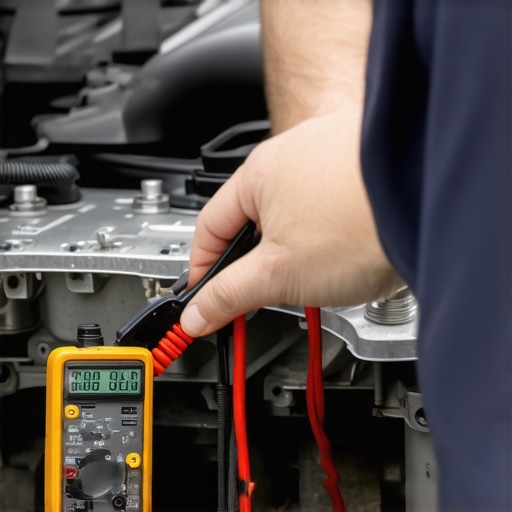
One of the most elusive causes of a rough idle is sensor drift, where a component like the Mass Air Flow (MAF) sensor provides data that is technically within ‘range’ but logically incorrect. The ECU relies on the MAF to determine exactly how much fuel to inject. If the sensor is coated in a fine layer of dust or oil from an over-serviced air filter, it will under-report the incoming air. This results in a lean condition that is most noticeable when air velocity is low—specifically at idle. Because the sensor hasn’t ‘failed’ in the eyes of the computer, no code is thrown. Utilizing the 10-cleaning move that saves your MAF sensor can often resolve this without the need for a $200 replacement part. This type of nuanced auto repair is what separates a parts-changer from a true diagnostic expert.
Direct Injection and the Heavy Toll of Carbon Deposits
For owners of modern vehicles, the culprit is often found behind the intake valves. Gasoline Direct Injection (GDI) engines are susceptible to carbon build-up because fuel is sprayed directly into the combustion chamber, bypassing the intake valves. Over time, oil vapors from the PCV system bake onto these valves, creating a restrictive, ‘volcano-like’ crust. At idle, this carbon creates turbulence in the incoming air, preventing a smooth tumble into the cylinder. This is the hidden valve that causes poor gas mileage and a shaky stoplight experience. If left untreated, this carbon can eventually cause a misfire. Have you ever performed a top-end carbon clean on your own vehicle? Let us know in the comments below if it smoothed out your idle or if you found a different ‘magic’ fix. We also recommend checking why cheap oil filters are costing you horsepower and fuel economy, as poor oil filtration can accelerate PCV-related carbon issues.
When Your Transmission Fights the Engine at Red Lights
Often, a seasoned mechanic will spend hours scrutinizing fuel trims and spark graphs when the actual culprit resides within the bell housing. If your car idles smoothly in Neutral but shakes or stumbles the moment you come to a halt in Drive, the torque converter clutch (TCC) solenoid is a prime suspect. This solenoid is designed to lock the engine and transmission together at highway speeds for maximum efficiency, but if it fails to release fully, it behaves like a manual car being stopped without the clutch depressed. This mechanical drag creates a parasitic load that mimics a lean-condition stumble perfectly. Identifying this requires a high-end scan tool to monitor TCC slip percentages in real-time. If you have recently invested in a brake service to address vibrations and the shudder persists while stationary, it is time to look beyond the rotors and toward the fluid coupling of your drivetrain.
Can a failing alternator actually trigger a physical engine stumble?
Absolutely, and it is a diagnostic trap that catches many DIYers off guard. At idle, your engine is producing its minimum amount of torque. If the alternator’s voltage regulator is failing or the internal diodes are “leaky,” the sudden electrical demand from the radiator fans or the A/C compressor can create a massive electromagnetic resistance on the crankshaft. This sudden load can drop the RPMs low enough to induce a physical stumble or even a stall before the Idle Air Control valve can react. A professional auto repair shop will perform a load test on the charging system to ensure the alternator isn’t literally strangling the engine’s rotation at low speeds.
The Hidden Vacuum Leak in Your Charcoal Canister
While we traditionally look for cracked rubber hoses, the Evaporative Emission (EVAP) system contains a “stealth” vacuum leak source: the purge valve. This valve is designed to stay closed until the vehicle is at cruising speed, at which point it allows stored gasoline vapors to be consumed by the engine. If the valve is stuck in the open position, it allows unmetered air and raw fuel vapors to be sucked into the intake manifold while you are sitting at a light. This floods the combustion chamber with an unpredictable mixture, leading to the characteristic ‘searching’ idle where the RPMs bounce up and down. According to the Auto Care Association, EVAP malfunctions remain one of the most frequently misdiagnosed sources of low-speed driveability issues because the physical leak is often internal to the valve itself.
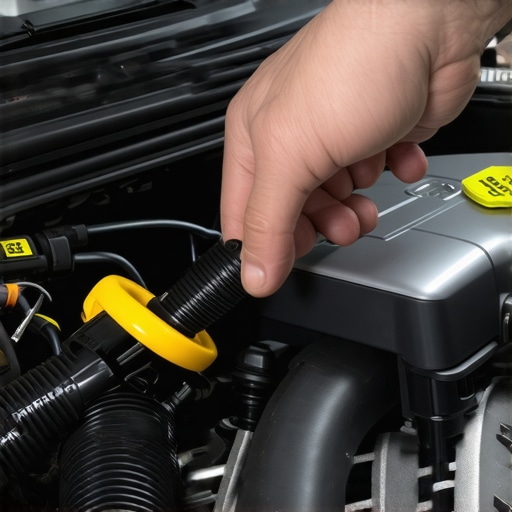
If you have been chasing a phantom air leak, consider performing a vacuum hold test on the purge solenoid. Many enthusiasts have found that resolving this specific issue provides a more stable idle than a standard tune up ever could. Have you ever replaced a part only to find the problem was a tiny solenoid hidden under the plastic engine cover? Share your diagnostic victories in our community forum below; your experience might save another driver hundreds in unnecessary labor.
Don’t Mistake Shaking for Stumbling
Sometimes the engine is firing with clinical precision, but the driver perceives a stumble due to failed isolation. Modern hydraulic motor mounts are filled with glycol fluid to dampen the engine’s natural harmonics. When these mounts collapse or leak, the engine’s vibration at 600 RPM is transferred directly into the chassis. This creates a rhythmic thrumming that feels identical to a misfire. To differentiate this from a mechanical issue, observe your tachometer closely; if the needle is rock-steady but the steering wheel is vibrating, you are likely dealing with broken rubber rather than a combustion failure. This distinction is critical because no amount of spark plug changes or injector cleaning will fix a physical mount failure. High-mileage vehicles are particularly prone to this, especially if they have been subjected to aggressive driving or frequent stop-and-go traffic.
Moving beyond mechanical isolation, a savvy mechanic often turns their attention to the Exhaust Gas Recirculation (EGR) system. While designed to reduce NOx emissions by recirculating inert gases into the combustion chamber during cruise speeds, a faulty EGR valve that fails to seat perfectly at a stop behaves like a massive, internal vacuum leak. Even a millimeter of carbon buildup on the valve pintle allows exhaust to dilute the intake charge at idle, where the engine needs maximum oxygen to remain stable. This specific failure often mimics a failing fuel injector but can be diagnosed by temporarily blocking the EGR port to see if the idle stabilizes. If your car hasn’t had a proper tune up in years, these deposits are likely choking your intake manifold’s efficiency.
Is your power steering pump stealing engine power?
One of the most overlooked components in a rough-idle diagnostic is the Power Steering Pressure Switch (PSPS). This sensor tells the ECU when the steering pump is under load—such as when you are turning the wheel while stationary—allowing the computer to increase the idle speed to compensate for the drag. If this switch fails, or if the pump itself is internally bypassing fluid, the engine may not receive the necessary ‘bump’ in RPM, causing it to dip and stumble the moment you come to a halt. In professional auto repair, we often see this manifest as a stumble that only occurs when the wheel is slightly turned, yet many DIYers spend hundreds on spark plugs before realizing the issue is hydraulic rather than electrical.
Electrical Interference Corrupts the Digital Pulse
As vehicles age, the shielding on sensor wires can degrade, leading to Electromagnetic Interference (EMI). High-voltage ignition components, such as old spark plug wires or a cracked ignition coil, can leak ‘noise’ into the 5-volt reference circuits used by the Crankshaft Position Sensor. At highway speeds, the frequency of the signal is high enough that the ECU can filter out this noise, but at 600 RPM, the interference can cause ‘phantom’ timing shifts. This digital corruption makes the engine feel like it is skipping a beat, though the mechanical components are perfectly sound. Ensuring your brake service technician also checks the chassis grounds during your next visit can prevent these grounding loops from destabilizing your engine’s brain.
Seasonal Fuel Changes Impact Low-RPM Stability
The chemistry of the fuel in your tank changes based on the calendar. Refineries adjust the Reid Vapor Pressure (RVP) of gasoline to account for ambient temperatures; winter-blend fuel is more volatile to help with cold starts, while summer-blend is less volatile to prevent evaporative emissions. According to the American Automobile Association (AAA), using ‘out of season’ fuel or low-quality ‘non-Top Tier’ gasoline can lead to fuel vaporization issues in the rail, particularly when the engine bay gets hot while sitting at a red light. This ‘heat soak’ can cause tiny bubbles to form in the fuel rail, leading to a momentary lean condition that feels like a stumble. If you have been chasing a mystery vibration, try switching to a high-quality detergent gasoline for two full tanks to see if the idle corrects itself. Have you noticed your car acting differently after a specific fill-up? Join our technical workshop series online to master these advanced waveforms yourself and share your findings with our community.
Expert Insights & Advanced Considerations
Waveform Analysis Reveals What Scanners Miss
Seasoned technicians know that a generic scan tool only tells half the story. To truly solve a low-RPM stumble, you must look at the ignition secondary waveform. A ‘lazy’ coil might fire, but if the burn time is insufficient, the engine will struggle at idle where combustion stability is at its lowest. By mastering mechanic tips for diagnosing common auto problems, you can identify these micro-failures before they lead to a complete breakdown.
The 25% Compensation Trap Hides Early Problems
Your car’s computer is incredibly resilient, often adjusting fuel trims by up to 25% to keep the engine running smoothly. However, this means a significant vacuum leak or a failing sensor can exist for months without triggering a light. This is why looking at live data is the first step in any professional auto repair. Relying solely on dashboard warnings is a reactive approach; proactive diagnostic work requires monitoring how hard the ECU is fighting to maintain that idle.
Thermal Expansion Creates Stealth Vacuum Leaks
Metal and plastic expand at different rates as they heat up. A crack in an intake manifold might be airtight when cold but open up just enough to cause a stumble once the engine reaches operating temperature. Understanding these thermal dynamics is essential for a high-quality tune up. If you are struggling with a phantom issue that only appears after 20 minutes of driving, look for components that reside near high-heat areas like the exhaust manifold or EGR ports.
Curated Expert Resources
SAE International: Provides peer-reviewed technical papers on engine stability and atomization. ASE (Automotive Service Excellence): Standardizes the logic-based diagnostic approach used by master technicians. iATN (International Automotive Technicians Network): Offers a global repository of technician-verified diagnostic solutions for elusive driveability issues. Following these auto repair cost saving tips from industry experts can help you navigate technical resources without wasting time.
#IMAGE_PLACEHOLDER_E#
Final Expert Perspective
Solving a low-RPM stumble is rarely about finding a single ‘broken’ part; it is about restoring the delicate equilibrium of air, fuel, and spark. Whether you are performing a comprehensive tune up or investigating a persistent vibration that feels like a failing brake service component, the key is methodical isolation. By applying tune up strategies to save money on auto repairs, you can eliminate the easy variables first and focus on the complex data. If your vehicle still fights you at every stoplight, we invite you to document your fuel trim data and join our technical workshop online. Your professional insight might be the missing piece for another driver facing the same diagnostic hurdle.