Stop Fearing the Transmission Shop
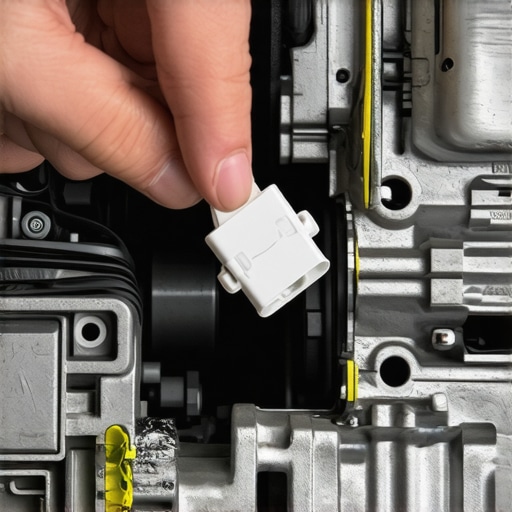
Modern automotive engineering has reached a level of complexity where mechanical failure is often indistinguishable from a minor electrical glitch. When a driver feels that tell-tale slip—an engine revving high without a corresponding increase in speed—the immediate panic often leads to visions of a multi-thousand-dollar auto repair bill. However, seasoned mechanic professionals know that the shift from hydraulic-driven systems to electronic-over-hydraulic control modules has introduced a new variable: the low-cost electrical failure. Distinguishing between a burnt clutch pack and a faulty $15 relay or sensor is the hallmark of advanced vehicle diagnostics. Before you panic, check if your transmission slips only when cold, as this can be a primary indicator of fluid viscosity or sensor sensitivity issues.
How Low Voltage Mimics Mechanical Catastrophe
The Transmission Control Module (TCM) relies on precise voltage signals to actuate solenoids that manage gear transitions. If a ground wire is corroded or a fuse is partially blown, the TCM may struggle to communicate, leading to erratic shifting patterns that feel exactly like a mechanical slip. Before committing to a full overhaul, an expert-level tune up of the electrical system is mandatory. This includes testing the battery’s health and cleaning the mass airflow sensor, as these components often send phantom data to the engine computer. If your vehicle is struggling with inconsistent performance, you might find that the 12-dollar relay that mimics a blown starter motor is part of a larger electrical issue affecting your drivetrain.
Is your transmission really slipping or is it just a sensor failure?
To differentiate the two, pay close attention to when the slip occurs. If the problem only happens when the engine is cold or under specific electrical loads, you are likely looking at a sensor or solenoid issue rather than internal gear damage. According to research published by SAE International, over 20% of modern transmission complaints are rooted in electronic control malfunctions rather than structural mechanical wear. If you find your brake service needs are also increasing, it may be time to evaluate the entire vehicle’s health through comprehensive checklists to ensure no small electrical fault is being overlooked. Identifying a snapped transmission mount can also reveal vibrations that drivers often mistake for internal slippage.
The Diagnostic Hierarchy Every Driver Should Know
The first step in any high-level diagnostic process is to check the fluid level and condition. Dark, burnt-smelling fluid points toward mechanical failure, whereas clean fluid suggests an electronic gremlin. A professional mechanic will always use an OBD-II scanner to look for P codes related to the TCM. Even if no check engine light is visible, pending codes can reveal a failing input or output speed sensor. If you are unsure about the state of your vehicle, you should learn expert tips for diagnosing common auto problems before visiting a shop. Addressing these minor issues early prevents the cascading failure effect where a simple electrical short eventually causes physical wear on the transmission bands. Join the discussion in our community or contact our team to share your experiences with ghost mechanical issues that turned out to be simple fixes.
Why Lifetime Fluid is a Marketing Lie
The term “lifetime fluid” is one of the most pervasive myths in the automotive industry, often leading drivers to ignore critical maintenance until it is too late. In reality, the “lifetime” referred to by manufacturers often only covers the duration of the original warranty period. As a vehicle ages, the additives in the fluid that manage friction and prevent foaming begin to break down due to thermal cycling. When this happens, you may notice that your transmission fluid is turning black, which is a clear sign of oxidation and impending mechanical failure. To maintain peak performance, an expert-led tune up strategy should always include a fluid analysis. Regularly checking the color and smell of your fluid is a low-cost insurance policy against the massive expense of a gearbox replacement. Industry experts at Car and Driver emphasize that transmission fluid performs a dual role as both a lubricant and a hydraulic fluid, meaning any degradation immediately impacts shift quality and component longevity.

Keep Your Cool or Kiss Your Gears Goodbye
Heat is the undisputed enemy of any automatic transmission. For every 20-degree increase in operating temperature above 200°F, the life expectancy of the transmission is effectively cut in half. High-stress environments, such as towing or stop-and-go city traffic, can cause localized overheating that fries internal seals. If you find that your transmission slips only when cold, it may actually be a sign that the internal seals have hardened from previous overheating and are struggling to hold pressure until they expand with heat. Investing in auto repair cost-saving tips from industry experts often involves installing an auxiliary transmission cooler, especially for vehicles that see heavy use. This proactive measure prevents the fluid from thinning out to a point where it can no longer provide the necessary hydraulic pressure to keep clutches engaged.
Can a simple rubber bushing save you $3,000 in repair costs?
Many drivers mistake a sloppy or “notchy” feeling in their gear selector for a failing transmission. Before you agree to a major teardown, inspect the physical linkage connecting your shifter to the gearbox. Often, the culprit is the 8-dollar bushing that fixes a sloppy gear shifter, which can perish over time and cause the gears to align improperly. This misalignment can trigger a limp-mode response from the vehicle’s computer, mimicking a catastrophic internal failure. A professional mechanic will always check these external mechanical points before diving into the internal hydraulics. This level of granular diagnostics is what separates a top-tier shop from one that simply wants to sell you a remanufactured unit. Have you ever experienced a “ghost” mechanical problem that turned out to be a minor part? Share your experience in the comments below or reach out to our team to help other owners avoid unnecessary expenses.
Real Data Beats Guesswork Every Time
In the modern era of auto repair, you cannot fix what you cannot measure. While the dashboard might only show a generic warning, the internal computer is often logging detailed data about shift timing and solenoid performance. This is why the 20-dollar scanner that every modern driver should own is so vital; it allows you to see real-time data streams. If the computer reports a “slipping” code, it might actually be seeing a discrepancy between the input and output speed sensors. Replacing a sensor is a fraction of the cost of a rebuild. Just as you would not skip a brake service when the pads are thin, you should never ignore the data your car is trying to tell you. By combining high-quality diagnostic tools with the knowledge of common failure points, you can navigate the complexities of transmission health with confidence and precision.
Clear the Digital Cobwebs with an Adaptive Learning Reset
Modern automatic transmissions are effectively learning computers that adapt to your specific driving style and the inevitable wear of internal friction plates. Over thousands of miles, the Transmission Control Module (TCM) adjusts ‘shift adapts’—the precise timing and pressure used for every gear change. However, if you have recently performed an auto repair like a solenoid replacement or even a battery swap, the computer may still be operating on outdated data. This mismatch often manifests as a harsh ‘clunk’ or a delayed shift that feels like a mechanical failure. A professional mechanic knows that performing a ‘relearn’ procedure via a high-level scan tool can often restore factory-smooth shifting in minutes. If you have been ignoring a minor tune up, the computer might be overcompensating for engine vacuum leaks, further confusing the shift logic.
Why does my car lurch forward when I shift into Drive?
This jarring sensation, frequently referred to in the industry as a ‘garage shift’ issue, is rarely caused by broken gears. Instead, it is typically a symptom of high engine idle speed or a malfunctioning pressure control solenoid. When the engine idles too high—perhaps due to a dirty throttle body—the initial engagement of the forward clutch pack is far more aggressive than intended. Before you authorize a multi-thousand-dollar rebuild, ensure your brake service is up to date, as sticking calipers can sometimes mimic the resistance felt during a rough engagement. High-level diagnostics should always start with the cheapest variables first.
The Torque Converter Shudder Myth
Many drivers describe a ‘rumble strip’ sensation when cruising at highway speeds, immediately fearing that the entire gearbox is disintegrating. In many cases, this is actually ‘TCC Shudder,’ occurring when the torque converter’s internal lock-up clutch struggles to maintain a solid connection. According to technical data from the Automatic Transmission Rebuilders Association (ATRA), this specific vibration is often caused by degraded fluid friction modifiers rather than a mechanical break. Replacing the fluid with the exact OEM-specified synthetic blend can often eliminate the shudder entirely. 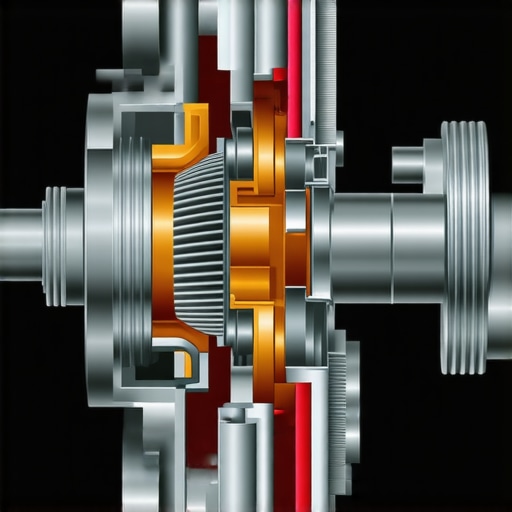
Pressure is the Lifeblood of Your Drivetrain
In a hydraulic system, pressure equals holding power. If the internal pump cannot generate enough PSI, the clutch packs will not press together firmly enough, leading to the heat-generating friction known as ‘slipping.’ This is why a tune up for your transmission involves more than just a fluid swap; it requires checking the health of the electronic pressure control (EPC) solenoid. If this small electronic gatekeeper becomes clogged with microscopic debris, it can no longer regulate the pressure required for high-load situations. Have you noticed a change in how your car handles steep inclines? Using a dedicated OBD-II data logger to monitor ‘Desired vs. Actual’ line pressure is the only way to know if your solenoids are winning the battle against gravity. Check your own vehicle’s data today to see if your pressures are within the manufacturer’s narrow operating window.
When the Valve Body Becomes a Maze of Debris
Think of the valve body as the ‘brain’ of the transmission—a complex labyrinth of channels and check-balls that direct fluid to the appropriate gear sets. Over time, tiny particles of metal or clutch material can lodge themselves in these narrow passages, causing valves to hang up or stick. This leads to the frustrating ‘intermittent’ problem where the car shifts perfectly one day and fails the next. A seasoned mechanic will often suggest a valve body cleaning or a ‘zip kit’ installation to renew these channels without removing the entire transmission from the vehicle. This targeted auto repair strategy focuses on the control center rather than the mechanical gears themselves, potentially saving thousands in labor costs while restoring the hydraulic integrity of the system.
Pulse Width Modulation and the Art of the Soft Shift
Beyond the valve body, the actual life cycle of an electronic solenoid is dictated by its duty cycle, a metric often overlooked by the average DIYer. Modern gearboxes utilize Pulse Width Modulation (PWM) to control fluid flow with extreme precision. Rather than a simple ‘on’ or ‘off’ state, these solenoids oscillate thousands of times per minute to feather the engagement of clutch packs. Over a hundred thousand miles, the mechanical spring within the solenoid can lose its tension, or the pintle can develop micro-pitting. This leads to a phenomenon known as solenoid drift, where the mechanic sees the computer commanding a shift, but the physical response lags by milliseconds. This delay is what creates that ‘searching’ feeling during a tune up or test drive, often misdiagnosed as a catastrophic mechanical slip.
Can a failing radiator actually destroy your entire transmission overnight?
Most drivers view the cooling system as purely an engine component, but in many vehicles, the transmission fluid is cooled via a heat exchanger inside the radiator. If the internal walls of this exchanger corrode, high-pressure coolant can force its way into the transmission lines. In the industry, this is feared as the ‘Strawberry Milkshake of Death.’ The water-based coolant instantly dissolves the water-soluble glues holding the friction material to the clutch discs. If you notice your fluid looks pink and frothy, stop driving immediately. This level of cross-contamination requires more than just an auto repair; it usually necessitates a full system purge and a new radiator to prevent a total drivetrain meltdown. 
Synthetic Shear Stability and Your Next High-Performance Tune Up
The molecular structure of transmission fluid is engineered to resist ‘shearing’—the physical breaking of oil molecules under intense pressure between gear teeth. Cheap fluids or overdue tune up intervals lead to a loss of viscosity, meaning the oil becomes too thin to maintain the hydraulic seal needed for firm shifting. High-quality synthetic fluids are designed with long-chain polymers that ‘coil up’ or ‘uncoil’ based on temperature, providing consistent pressure whether the car is freezing or operating at peak load. When you visit a shop for a brake service, asking for a professional-grade fluid analysis can reveal if your oil has sheared beyond its effective limit. The National Institute for Automotive Service Excellence (ASE) highlights that preventative fluid management is the single most effective way to extend the lifespan of an electronic transaxle.
Thermal Expansion and the Mystery of the Hard Shift
As internal components heat up, they expand. A mechanic knows that a gearbox that shifts perfectly when cold but slams into gear when hot is likely suffering from internal seal leakage. When seals harden with age, they lose their ability to contain high-pressure fluid once it thins out from heat. This pressure drop prevents the transmission from holding a gear, causing the computer to ‘ramp up’ the pressure to compensate, resulting in a harsh, jarring engagement. This isn’t just an annoyance; it is a warning sign that your auto repair needs have escalated. Addressing these thermal issues early with a high-capacity external cooler can save you from a multi-thousand-dollar rebuild. Are you noticing a change in shift quality once you hit the twenty-minute mark of your commute? Connect with our diagnostic experts today to interpret your vehicle’s live data streams before a minor leak becomes a major failure.
Expert Insights & Advanced Considerations
Vacuum Leaks Often Mimic Failing Clutches
It is a common mistake in auto repair circles to ignore the engine’s impact on transmission pressure. If your vehicle uses a vacuum modulator, a simple cracked hose can cause late, harsh shifts that feel like internal damage. Even on modern cars, an engine that isn’t running at peak efficiency due to a skipped tune up will force the transmission to work harder to find the right torque band, leading to premature wear. You might find that the 7-dollar vacuum line fix for a skipping engine resolves more than just a rough idle.
Ditch the Learning Curve with a TCM Reset
When you buy a used car, the transmission has already learned the bad habits of the previous owner. An expert mechanic will suggest an adaptive reset to clear these digital footprints. If you notice your automatic shifter feels notchy or stuck, the computer might be struggling to coordinate mechanical movement with electronic commands. Clearing these adaptive tables ensures the gearbox starts with a clean slate based on your specific driving environment.
Ground Straps are the Silent Killers of Electronic Gearboxes
The flow of electricity is just as vital as the flow of fluid. A corroded ground strap can cause stray current, where electricity searches for a path back to the battery through the transmission bushings or bearings. This causes microscopic pitting that eventually destroys the unit. During a comprehensive brake service or oil change, always have your technician inspect the main electrical grounds to ensure your TCM isn’t being starved of stable voltage.
Curated Expert Resources
ATRA (Automatic Transmission Rebuilders Association): This is the gold standard for technical bulletins. Their database provides the specific fix for common factory defects that standard manuals often miss. Deepening your knowledge here is essential for anyone serious about auto repair.
Motor Age Training: For those looking to move beyond DIY and into professional-grade diagnostics, their webinars on Pulse Width Modulation and solenoid duty cycles are invaluable. It helps you understand why your transmission slips only when cold from a molecular and electrical perspective.
ASE Test Prep Materials: Even if you aren’t a professional mechanic, reading the L1 Advanced Engine Performance Specialist materials will give you a superior grasp of how drivetrain systems interact under load.
Final Expert Perspective
Mastering vehicle longevity requires moving past the break-fix mentality and embracing a diagnostic-first approach. By recognizing that shift quality is a symphony of hydraulic pressure, electronic precision, and thermal management, you can identify failures before they require a tow truck. Whether it is addressing a snapped transmission mount or realizing that the dirty secret about lifetime transmission fluid is real, staying proactive is the only way to minimize auto repair costs over the life of your vehicle. We invite you to share your most challenging diagnostic experiences in our professional community or reach out to our team for a deeper dive into the technical data that keeps your car on the road.