An engine that purrs smoothly on the open highway but begins to tremble violently the moment you come to a stop represents one of the most common, yet frequently misdiagnosed, anomalies in automotive diagnostics. When your vehicle is actively moving, the kinetic energy and higher engine RPMs tend to mask minor mechanical and electrical imbalances. However, once you press the brake pedal and wait at a red light, the engine drops to its baseline idle speed under load, exposing underlying weaknesses. Understanding this phenomenon requires looking past general symptoms to isolate how ignition, air-fuel delivery, and mechanical isolation points interact when the vehicle is stationary.
The Critical Nexus of Low Idle RPM and Vacuum Dynamics
When you are idling at a red light, your engine relies on a highly calibrated volume of air and fuel to maintain stability. Any disruption in this delicate ratio can cause a sharp drop in combustion efficiency, resulting in a rough idle. One of the most frequent culprits is an unmetered air leak downstream of the mass airflow sensor. To address this on a DIY basis, you can learn how to find an intake leak using only a 5 bottle of soapy water rather than immediately paying for an expensive smoke-machine diagnostic at a shop.
Furthermore, because your foot is holding the brake pedal down at a stop, a leaking brake booster diaphragm can introduce a massive, hidden vacuum leak directly into the intake manifold. This extra air leans out the fuel mixture in specific cylinders, causing the engine to stumble. If you notice the vibration intensifies specifically as you pump or hold the brakes, it is time to seek professional auto repair to assess the integrity of your vacuum assist system before stopping performance is compromised.
How Deteriorated Engine Mounts Mimic Engine Misfires
Sometimes, the engine itself is running perfectly, but the vibration isolation system has failed. Modern vehicles use rubber or liquid-filled hydraulic engine mounts to absorb normal combustion vibrations. Over time, these mounts degrade, collapse, or leak their dampening fluid. When you are parked or moving, the load on the mounts shifts. However, holding the car in gear at a red light places maximum torque load on these components. If the rubber has hardened or collapsed, metal-to-metal contact occurs, transferring every single natural piston stroke directly into the cabin steering wheel and seats.
Distinguishing between a mechanical vibration and a true engine misfire is a critical skill for any mechanic. A genuine misfire will usually trigger a flashing Check Engine Light, whereas collapsed mounts simply transmit a harsh, constant drone without throwing diagnostic trouble codes.
Why does the idle smooth out when you shift into neutral?
This is a classic diagnostic clue that points directly to load-dependent failures. When you shift your automatic transmission from Drive to Neutral while waiting at a red light, you disengage the torque converter. This action instantly removes the mechanical drag on the engine, allowing the idle speed to rise slightly (often by just 50 to 100 RPM). This minor increase in RPM is frequently enough to lift the engine out of its resonant vibration frequency and to increase alternator output. If shifting to neutral cures your vibration, your primary focus should be inspecting the engine and transmission mounts, or cleaning a carbon-choked throttle body that is failing to compensate for the load of the transmission. To restore lost efficiency and stabilize your idle speed, read our comprehensive guide on essential tune up tips to boost your cars performance in 2025.
The Role of the Ignition System and Carbon Buildup
When was your last comprehensive tune up? Weak spark plugs, degrading ignition coils, or carbon accumulation on the intake valves can drastically reduce combustion quality at low RPMs. At highway speeds, the ignition system fires thousands of times per minute, easily overcoming minor resistance or weak spark. At a red light, however, the ignition system must fire precisely under high load and low speed. According to the National Institute for Automotive Service Excellence (ASE), maintaining clean fuel injectors and healthy ignition components is vital to preventing incomplete combustion cycles that manifest as low-speed vibrations.
If you want to keep your vehicle operating at peak efficiency, we encourage you to read our detailed breakdown of tune up strategies to save money on auto repairs and learn how proactive maintenance keeps small vibrations from turning into major mechanical failures.
The Unseen Impact of Low Alternator Output at Idle
An overlooked variable in the low-idle equation is the electrical system. When your vehicle is cruising down the highway, the alternator spins rapidly, generating ample electrical current to power your ignition coils, fuel injectors, onboard computers, and accessories. However, when you decelerate and stop at a red light, the alternator drops to its lowest operating speed. If your battery terminals are corroded or the alternator voltage regulator is weak, the electrical system voltage can drop below optimal levels. This voltage sag starves the ignition coils, resulting in a weak spark that causes the engine to stumble under load.
Before you let a shop convince you that you need an expensive engine rebuild, you can easily rule out basic electrical issues. Utilizing the 10 minute battery terminal fix that stops random no starts ensures your electrical system maintains a clean path of low resistance. If your idle is still rough, checking the charging system output with a simple multimeter will help you confirm whether the alternator is maintaining the 13.5 to 14.5 volts necessary to keep the fuel injection system firing crisply.
Carbon-Choked Throttle Bodies and Sticky Idle Air Valves
Modern engines use complex electronic throttle control systems to regulate idle speed. Over tens of thousands of miles, oil vapors from the positive crankcase ventilation system mix with incoming dirt to form a black, sticky carbon ring inside the throttle bore. This accumulation restricts the tiny amount of air required to keep the engine running smoothly when the throttle plate is fully closed. When the engine computer commands the throttle plate to open slightly to compensate for the load of the transmission and brake booster, the sticky carbon deposits prevent smooth, micro-adjustments.
This mechanical resistance results in a surging or stumbling idle as the computer overcorrects constantly. Learning how a dirty throttle body steals 5 mpg from your commute highlights how a simple, inexpensive cleaning can instantly restore a silky-smooth idle. By removing this physical barrier, you allow the engine control module to regulate idle air volume with surgical precision.
Why does a failing fuel pump mimic an air-fuel delivery issue only at idle?
It seems counterintuitive that a weakening fuel pump would cause a car to stumble at a stoplight while performing fine at higher speeds. However, at idle, fuel injectors operate at incredibly short pulse widths, requiring highly stable fuel pressure to atomize the fuel properly. If the fuel pump is failing, or if the pressure regulator is leaking internally, the pressure drops. This drop in pressure prevents the fuel from misting cleanly; instead, it drips out of the injector nozzle. This poor atomization leads to incomplete combustion and a noticeable shudder. According to the Car Care Council, maintaining fuel system hygiene and replacing restricted filters is vital for protecting high-pressure injection components and preventing low-RPM rough idles. To understand this dynamic further, read about how a clogged fuel filter mimics a dead fuel pump to avoid replacing the wrong parts.
Isolating Torque Converter Drag from Engine Issues
In automatic vehicles, the torque converter acts as a fluid coupling between the engine and the transmission. When you are stopped at a red light with your foot on the brake, the torque converter stator is designed to slip, allowing the engine to idle while the wheels are stationary. However, if the internal lock-up clutch of the torque converter fails to disengage fully, or if the transmission fluid has degraded and oxidized, it can create excessive viscous drag. This mechanical drag acts like a slipping manual clutch, physically bogging down the engine and causing a severe vibration that disappears the moment you shift into neutral or park.
Are you experiencing mystery vibrations or odd shifts? Share your car’s symptoms in the comments below, or read our extensive guide on how to tell if your transmission slip is actually a 15 electrical issue to save thousands on unnecessary mechanical rebuilds.
Exposing Hidden Mechanical Gremlins in the Accessory Drive System
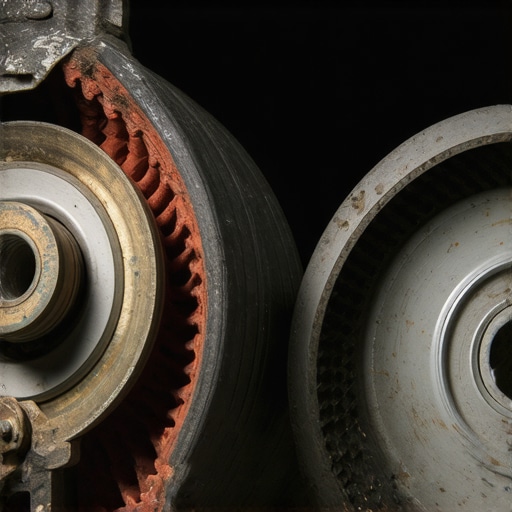
While DIY mechanics often spend hours testing expensive sensors and ignition coils, the actual source of a violent idle vibration can reside right at the front of the engine block. The accessory serpentine belt drive system operates under high tension, running your power steering pump, water pump, alternator, and air conditioning compressor. These components rely on a belt tensioner and a series of idler pulleys to spin smoothly. Over time, the internal spring mechanism of the automatic belt tensioner loses its dampening capability, or the bearings within an idler pulley begin to seize. At highway speeds, the inertia of the fast-spinning belt masks this instability, but at a red light, the tensioner can begin to bounce wildly, transferring a harsh, rhythmic chatter directly into the engine block.
Furthermore, many modern vehicles utilize an overrunning alternator pulley (OAP) or an alternator decoupler pulley. These specialized pulleys feature an internal one-way clutch designed to smooth out the rotational vibrations of the crankshaft. When this clutch seizes, the alternator can no longer freewheel during the brief deceleration phases of the engine’s normal firing cycles. This sudden mechanical resistance forces the belt to slip and slap against the pulleys, causing a deep, resonant rumble that you can feel through the floorboards while waiting for the light to turn green.
How does a failing AC compressor clutch drag down your idle speed?
When you sit at a stoplight with the climate control system active, your engine control module must constantly adjust for the massive load of the air conditioning compressor. The compressor clutch is designed to engage and disengage seamlessly via an electromagnetic coil. However, if the clutch plate clearance has worn beyond specification, or if the compressor itself is beginning to lock up internally due to oil starvation, the mechanical load spikes drastically. The moment the clutch engages, it acts like a sudden brake on the accessory belt. If your idle air control system or electronic throttle body cannot open quickly enough to compensate for this sudden drag, your engine speed will plummet, causing the entire cabin to shudder until the compressor cycles off again.
The Complex Mystery of Variable Valve Timing Solenoid Failures
To balance high-RPM horsepower with low-speed fuel economy, modern powertrains rely on Variable Valve Timing (VVT) systems. These systems use hydraulic actuators, controlled by oil control solenoids, to advance or retard camshaft timing on the fly. At idle, the VVT system is designed to return the camshafts to a base, retarded position to ensure clean, stable combustion. However, if engine oil changes have been neglected, tiny carbon deposits and sludge can clog the micro-screens inside the VVT solenoid or jam its internal spool valve.
When a VVT solenoid sticks open at a red light, the camshaft remains in its advanced high-speed position. This allows too much exhaust gas to recirculate back into the combustion chamber during the intake stroke, effectively choking the engine at low speeds. The result is an immediate, rough idle that mimics a severe ignition misfire, yet it often disappears completely the moment you accelerate away from the stop. Ensuring your oil is clean is the first line of defense; you can learn more about how to keep your internal engine components clean and functioning properly by reading our guide on essential tune up tips to boost your cars performance in 2025.
Diagnostic Isolation via Real-Time OBD-II Data Streams
Resolving a stubborn stationary vibration without throwing parts at the car requires moving past basic trouble code reading and looking at live engine data. Using a mid-tier diagnostic scan tool, you can monitor Short-Term Fuel Trim (STFT) and Long-Term Fuel Trim (LTFT) while sitting at a stoplight. Healthy fuel trims should hover close to zero percent. If your LTFT climbs to positive double digits while idling but drops back down to normal as soon as you rev the engine, you have confirmed a vacuum leak. This is because a vacuum leak introduces a fixed amount of unmetered air; at idle, this air represents a massive percentage of the total intake charge, but at higher RPMs, it becomes statistically insignificant to the engine computer.
When live OBD-II diagnostics reveal balanced fuel trims but the stationary shudder remains unresolved, mechanics must pivot their diagnostic focus toward the mechanical timing belt or chain drive systems. A slightly stretched timing chain or a worn hydraulic tensioner can introduce microscopic lash into the valve train. While this slack is easily tensioned out under the high centrifugal force of highway acceleration, it slaps back and forth at idle speed. This micro-variance in camshaft timing degrades combustion symmetry just enough to produce a persistent, hard-to-track vibration that eludes standard misfire counters.
How Exhaust Backpressure Mimics Low-Speed Engine Stumbles
A restricted exhaust system is another often-overlooked culprit that starves your engine of its breathing capacity when you come to a complete stop. If the internal ceramic honeycomb structure of your catalytic converter has begun to melt or collapse, it creates an artificial wall of high backpressure. At highway speeds, the high kinetic force of the exhaust gases pushes past these internal restrictions. However, when you sit idling at a red light, the exhaust velocity drops significantly. The engine lacks the volumetric force to expel these spent gases efficiently, causing them to back up into the combustion chamber. This residual exhaust dilutes the fresh air-fuel mixture, starving the cylinder of oxygen and inducing a heavy, rhythmic vibration.
Why does the vibration get worse when you turn on your headlights?
When you sit at a red light with the transmission in gear, your engine is already operating under a heavy load. Activating high-draw electrical accessories like your headlights, rear window defroster, or radiator cooling fans forces the alternator to work significantly harder. To generate the requested amperage, the alternator experiences an intense electromagnetic drag, which acts as a physical brake on the crankshaft pulley. On a healthy vehicle, the engine control module detects this voltage drop and opens the idle air control valve or electronic throttle plate to bump up the engine speed. If your throttle body is partially blocked with carbon or the alternator’s internal voltage regulator is failing, the engine cannot compensate, causing the RPMs to plummet and sending a severe shudder through the steering column.
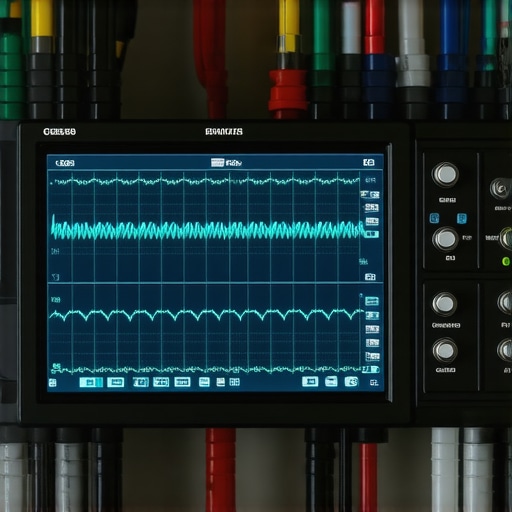
Diagnosing these complex electrical-to-mechanical bottlenecks requires precise diagnostic tools. According to the Equipment and Tool Institute (ETI), utilizing a digital storage oscilloscope to measure the actual current draw of the vehicle’s electrical system at idle can pinpoint subtle regulator failures before they completely destroy your battery. If you want to dive deeper into restoring this delicate balance and optimizing your electrical system performance, read our guide on essential tune up tips to boost your cars performance in 2025 to get your vehicle running smoothly again.
The Critical Link Between Engine Oil Viscosity and Hydraulic Lifter Performance
Using the wrong engine oil viscosity or neglecting oil change intervals can directly degrade idle stability in vehicles equipped with hydraulic lifters or hydraulic lash adjusters. At a hot idle, oil pressure naturally drops to its lowest operating point. If the oil is too thin or has sheared down over time, it cannot maintain the critical hydraulic pressure required to keep the lifters fully pumped up. Consequently, the lifters slightly collapse, reducing valve lift and duration. This minor mechanical variance prevents the cylinders from pulling in a full charge of air, leading to a rough, uneven idle that instantly disappears the moment oil pressure rises with acceleration. What symptoms is your car showing when you stop? Let us know in the comments below so we can help you diagnose the root cause of your vehicle’s low-speed vibrations.
An engine that purrs smoothly on the open highway but begins to tremble violently the moment you come to a stop represents one of the most common, yet frequently misdiagnosed, anomalies in automotive diagnostics. When your vehicle is actively moving, the kinetic energy and higher engine RPMs tend to mask minor mechanical and electrical imbalances. However, once you press the brake pedal and wait at a red light, the engine drops to its baseline idle speed under load, exposing underlying weaknesses. Understanding this phenomenon requires looking past general symptoms to isolate how ignition, air-fuel delivery, and mechanical isolation points interact when the vehicle is stationary.
The Critical Nexus of Low Idle RPM and Vacuum Dynamics
When you are idling at a red light, your engine relies on a highly calibrated volume of air and fuel to maintain stability. Any disruption in this delicate ratio can cause a sharp drop in combustion efficiency, resulting in a rough idle. One of the most frequent culprits is an unmetered air leak downstream of the mass airflow sensor. To address this on a DIY basis, you can learn how to find an intake leak using only a 5 bottle of soapy water rather than immediately paying for an expensive smoke-machine diagnostic at a shop.
Furthermore, because your foot is holding the brake pedal down at a stop, a leaking brake booster diaphragm can introduce a massive, hidden vacuum leak directly into the intake manifold. This extra air leans out the fuel mixture in specific cylinders, causing the engine to stumble. If you notice the vibration intensifies specifically as you pump or hold the brakes, it is time to seek professional auto repair to assess the integrity of your vacuum assist system before stopping performance is compromised.
How Deteriorated Engine Mounts Mimic Engine Misfires
Sometimes, the engine itself is running perfectly, but the vibration isolation system has failed. Modern vehicles use rubber or liquid-filled hydraulic engine mounts to absorb normal combustion vibrations. Over time, these mounts degrade, collapse, or leak their dampening fluid. When you are parked or moving, the load on the mounts shifts. However, holding the car in gear at a red light places maximum torque load on these components. If the rubber has hardened or collapsed, metal-to-metal contact occurs, transferring every single natural piston stroke directly into the cabin steering wheel and seats.
Distinguishing between a mechanical vibration and a true engine misfire is a critical skill for any mechanic. A genuine misfire will usually trigger a flashing Check Engine Light, whereas collapsed mounts simply transmit a harsh, constant drone without throwing diagnostic trouble codes.
Why does the idle smooth out when you shift into neutral?
This is a classic diagnostic clue that points directly to load-dependent failures. When you shift your automatic transmission from Drive to Neutral while waiting at a red light, you disengage the torque converter. This action instantly removes the mechanical drag on the engine, allowing the idle speed to rise slightly (often by just 50 to 100 RPM). This minor increase in RPM is frequently enough to lift the engine out of its resonant vibration frequency and to increase alternator output. If shifting to neutral cures your vibration, your primary focus should be inspecting the engine and transmission mounts, or cleaning a carbon-choked throttle body that is failing to compensate for the load of the transmission. To restore lost efficiency and stabilize your idle speed, read our comprehensive guide on essential tune up tips to boost your cars performance in 2025.
The Role of the Ignition System and Carbon Buildup
When was your last comprehensive tune up? Weak spark plugs, degrading ignition coils, or carbon accumulation on the intake valves can drastically reduce combustion quality at low RPMs. At highway speeds, the ignition system fires thousands of times per minute, easily overcoming minor resistance or weak spark. At a red light, however, the ignition system must fire precisely under high load and low speed. According to the National Institute for Automotive Service Excellence (ASE), maintaining clean fuel injectors and healthy ignition components is vital to preventing incomplete combustion cycles that manifest as low-speed vibrations.
If you want to keep your vehicle operating at peak efficiency, we encourage you to read our detailed breakdown of tune up strategies to save money on auto repairs and learn how proactive maintenance keeps small vibrations from turning into major mechanical failures.
The Unseen Impact of Low Alternator Output at Idle
An overlooked variable in the low-idle equation is the electrical system. When your vehicle is cruising down the highway, the alternator spins rapidly, generating ample electrical current to power your ignition coils, fuel injectors, onboard computers, and accessories. However, when you decelerate and stop at a red light, the alternator drops to its lowest operating speed. If your battery terminals are corroded or the alternator voltage regulator is weak, the electrical system voltage can drop below optimal levels. This voltage sag starves the ignition coils, resulting in a weak spark that causes the engine to stumble under load.
Before you let a shop convince you that you need an expensive engine rebuild, you can easily rule out basic electrical issues. Utilizing the 10 minute battery terminal fix that stops random no starts ensures your electrical system maintains a clean path of low resistance. If your idle is still rough, checking the charging system output with a simple multimeter will help you confirm whether the alternator is maintaining the 13.5 to 14.5 volts necessary to keep the fuel injection system firing crisply.
Carbon-Choked Throttle Bodies and Sticky Idle Air Valves
Modern engines use complex electronic throttle control systems to regulate idle speed. Over tens of thousands of miles, oil vapors from the positive crankcase ventilation system mix with incoming dirt to form a black, sticky carbon ring inside the throttle bore. This accumulation restricts the tiny amount of air required to keep the engine running smoothly when the throttle plate is fully closed. When the engine computer commands the throttle plate to open slightly to compensate for the load of the transmission and brake booster, the sticky carbon deposits prevent smooth, micro-adjustments.
This mechanical resistance results in a surging or stumbling idle as the computer overcorrects constantly. Learning how a dirty throttle body steals 5 mpg from your commute highlights how a simple, inexpensive cleaning can instantly restore a silky-smooth idle. By removing this physical barrier, you allow the engine control module to regulate idle air volume with surgical precision.
Why does a failing fuel pump mimic an air-fuel delivery issue only at idle?
It seems counterintuitive that a weakening fuel pump would cause a car to stumble at a stoplight while performing fine at higher speeds. However, at idle, fuel injectors operate at incredibly short pulse widths, requiring highly stable fuel pressure to atomize the fuel properly. If the fuel pump is failing, or if the pressure regulator is leaking internally, the pressure drops. This drop in pressure prevents the fuel from misting cleanly; instead, it drips out of the injector nozzle. This poor atomization leads to incomplete combustion and a noticeable shudder. According to the Car Care Council, maintaining fuel system hygiene and replacing restricted filters is vital for protecting high-pressure injection components and preventing low-RPM rough idles. To understand this dynamic further, read about how a clogged fuel filter mimics a dead fuel pump to avoid replacing the wrong parts.
Isolating Torque Converter Drag from Engine Issues
In automatic vehicles, the torque converter acts as a fluid coupling between the engine and the transmission. When you are stopped at a red light with your foot on the brake, the torque converter stator is designed to slip, allowing the engine to idle while the wheels are stationary. However, if the internal lock-up clutch of the torque converter fails to disengage fully, or if the transmission fluid has degraded and oxidized, it can create excessive viscous drag. This mechanical drag acts like a slipping manual clutch, physically bogging down the engine and causing a severe vibration that disappears the moment you shift into neutral or park.
Are you experiencing mystery vibrations or odd shifts? Share your car’s symptoms in the comments below, or read our extensive guide on how to tell if your transmission slip is actually a 15 electrical issue to save thousands on unnecessary mechanical rebuilds.
Exposing Hidden Mechanical Gremlins in the Accessory Drive System
While DIY mechanics often spend hours testing expensive sensors and ignition coils, the actual source of a violent idle vibration can reside right at the front of the engine block. The accessory serpentine belt drive system operates under high tension, running your power steering pump, water pump, alternator, and air conditioning compressor. These components rely on a belt tensioner and a series of idler pulleys to spin smoothly. Over time, the internal spring mechanism of the automatic belt tensioner loses its dampening capability, or the bearings within an idler pulley begin to seize. At highway speeds, the inertia of the fast-spinning belt masks this instability, but at a red light, the tensioner can begin to bounce wildly, transferring a harsh, rhythmic chatter directly into the engine block.
Furthermore, many modern vehicles utilize an overrunning alternator pulley (OAP) or an alternator decoupler pulley. These specialized pulleys feature an internal one-way clutch designed to smooth out the rotational vibrations of the crankshaft. When this clutch seizes, the alternator can no longer freewheel during the brief deceleration phases of the engine’s normal firing cycles. This sudden mechanical resistance forces the belt to slip and slap against the pulleys, causing a deep, resonant rumble that you can feel through the floorboards while waiting for the light to turn green.
How does a failing AC compressor clutch drag down your idle speed?
When you sit at a stoplight with the climate control system active, your engine control module must constantly adjust for the massive load of the air conditioning compressor. The compressor clutch is designed to engage and disengage seamlessly via an electromagnetic coil. However, if the clutch plate clearance has worn beyond specification, or if the compressor itself is beginning to lock up internally due to oil starvation, the mechanical load spikes drastically. The moment the clutch engages, it acts like a sudden brake on the accessory belt. If your idle air control system or electronic throttle body cannot open quickly enough to compensate for this sudden drag, your engine speed will plummet, causing the entire cabin to shudder until the compressor cycles off again.
The Complex Mystery of Variable Valve Timing Solenoid Failures
To balance high-RPM horsepower with low-speed fuel economy, modern powertrains rely on Variable Valve Timing (VVT) systems. These systems use hydraulic actuators, controlled by oil control solenoids, to advance or retard camshaft timing on the fly. At idle, the VVT system is designed to return the camshafts to a base, retarded position to ensure clean, stable combustion. However, if engine oil changes have been neglected, tiny carbon deposits and sludge can clog the micro-screens inside the VVT solenoid or jam its internal spool valve.
When a VVT solenoid sticks open at a red light, the camshaft remains in its advanced high-speed position. This allows too much exhaust gas to recirculate back into the combustion chamber during the intake stroke, effectively choking the engine at low speeds. The result is an immediate, rough idle that mimics a severe ignition misfire, yet it often disappears completely the moment you accelerate away from the stop. Ensuring your oil is clean is the first line of defense; you can learn more about how to keep your internal engine components clean and functioning properly by reading our guide on essential tune up tips to boost your cars performance in 2025.
Diagnostic Isolation via Real-Time OBD-II Data Streams
Resolving a stubborn stationary vibration without throwing parts at the car requires moving past basic trouble code reading and looking at live engine data. Using a mid-tier diagnostic scan tool, you can monitor Short-Term Fuel Trim (STFT) and Long-Term Fuel Trim (LTFT) while sitting at a stoplight. Healthy fuel trims should hover close to zero percent. If your LTFT climbs to positive double digits while idling but drops back down to normal as soon as you rev the engine, you have confirmed a vacuum leak. This is because a vacuum leak introduces a fixed amount of unmetered air; at idle, this air represents a massive percentage of the total intake charge, but at higher RPMs, it becomes statistically insignificant to the engine computer.
When live OBD-II diagnostics reveal balanced fuel trims but the stationary shudder remains unresolved, mechanics must pivot their diagnostic focus toward the mechanical timing belt or chain drive systems. A slightly stretched timing chain or a worn hydraulic tensioner can introduce microscopic lash into the valve train. While this slack is easily tensioned out under the high centrifugal force of highway acceleration, it slaps back and forth at idle speed. This micro-variance in camshaft timing degrades combustion symmetry just enough to produce a persistent, hard-to-track vibration that eludes standard misfire counters.
How Exhaust Backpressure Mimics Low-Speed Engine Stumbles
A restricted exhaust system is another often-overlooked culprit that starves your engine of its breathing capacity when you come to a complete stop. If the internal ceramic honeycomb structure of your catalytic converter has begun to melt or collapse, it creates an artificial wall of high backpressure. At highway speeds, the high kinetic force of the exhaust gases pushes past these internal restrictions. However, when you sit idling at a red light, the exhaust velocity drops significantly. The engine lacks the volumetric force to expel these spent gases efficiently, causing them to back up into the combustion chamber. This residual exhaust dilutes the fresh air-fuel mixture, starving the cylinder of oxygen and inducing a heavy, rhythmic vibration.
Why does the vibration get worse when you turn on your headlights?
When you sit at a red light with the transmission in gear, your engine is already operating under a heavy load. Activating high-draw electrical accessories like your headlights, rear window defroster, or radiator cooling fans forces the alternator to work significantly harder. To generate the requested amperage, the alternator experiences an intense electromagnetic drag, which acts as a physical brake on the crankshaft pulley. On a healthy vehicle, the engine control module detects this voltage drop and opens the idle air control valve or electronic throttle plate to bump up the engine speed. If your throttle body is partially blocked with carbon or the alternator’s internal voltage regulator is failing, the engine cannot compensate, causing the RPMs to plummet and sending a severe shudder through the steering column.
Diagnosing these complex electrical-to-mechanical bottlenecks requires precise diagnostic tools. According to the Equipment and Tool Institute (ETI), utilizing a digital storage oscilloscope to measure the actual current draw of the vehicle’s electrical system at idle can pinpoint subtle regulator failures before they completely destroy your battery. If you want to dive deeper into restoring this delicate balance and optimizing your electrical system performance, read our guide on essential tune up tips to boost your cars performance in 2025 to get your vehicle running smoothly again.
The Critical Link Between Engine Oil Viscosity and Hydraulic Lifter Performance
Using the wrong engine oil viscosity or neglecting oil change intervals can directly degrade idle stability in vehicles equipped with hydraulic lifters or hydraulic lash adjusters. At a hot idle, oil pressure naturally drops to its lowest operating point. If the oil is too thin or has sheared down over time, it cannot maintain the critical hydraulic pressure required to keep the lifters fully pumped up. Consequently, the lifters slightly collapse, reducing valve lift and duration. This minor mechanical variance prevents the cylinders from pulling in a full charge of air, leading to a rough, uneven idle that instantly disappears the moment oil pressure rises with acceleration. What symptoms is your car showing when you stop? Let us know in the comments below so we can help you diagnose the root cause of your vehicle’s low-speed vibrations.
Expert Insights & Advanced Considerations
Unmetered Air and the Smoke Test Reality
While many enthusiasts rely on simple visual inspections, professional technicians know that micro-cracks in plastic intake bellows or degraded manifold gaskets often seal themselves under thermal expansion. When the engine block heats up, these tiny openings contract, only to leak when cold air circulates through the bay during stationary periods. Initiating a targeted smoke test remains the gold standard for discovering these intermittent vacuum gremlins before they warp long-term fuel maps.
The Parasitic Draw of Aged Power Steering Pumps
At a complete stop, your steering system should rest in a low-demand state. However, bypass valves inside an aging power steering pump can stick, causing the hydraulic pressure to remain dangerously high even when the steering wheel is dead-centered. This hidden parasitic load puts excessive mechanical strain on the crankshaft at lowest RPMs, easily triggering a sudden dip in engine speed without registering a standard power-steering sensor fault code.
Ignition Coil Thermal breakdown
An ignition coil’s primary and secondary windings are wrapped tightly around a metal core and insulated by epoxy or oil. As coils age, resistance increases with underhood heat. Cruising down the highway provides cool airflow through the radiator, but sitting at a standstill traps this high heat inside the engine valley. This localized thermal expansion causes the internal coil windings to separate slightly, reducing spark energy exactly when the fuel-air charge is hardest to ignite.
Curated Expert Resources
The National Institute for Automotive Service Excellence (ASE): A primary educational resource used by master technicians to establish industry standards for electrical, fuel, and engine diagnostics.
The Equipment and Tool Institute (ETI): Provides valuable literature regarding advanced scan tool communication standards and digital storage oscilloscope parameters for capturing complex electrical faults.
The Car Care Council: Offers extensive, research-backed advice regarding preventative maintenance schedules to limit carbon deposit accumulation in modern variable-valve engines.
Final Expert Perspective
When a vehicle performs perfectly on the highway but stumbles at a red light, it is signaling that its underlying mechanical and electrical tolerances are narrowing. Pinpointing the root cause of why your car stumbles at red lights but runs fine on the highway requires a structured diagnostic path that evaluates vacuum stability, fuel system pressure, ignition performance under thermal load, and physical powertrain isolation. By leveraging real-time scan data over guesswork, you can isolate these subtle mechanical and electrical failures before they result in a complete breakdown. We invite professional mechanics and automotive enthusiasts to share their experiences or ask questions in the comments below, keeping the community moving smoothly.