A failing CV axle represents more than a mere nuisance; it is a critical threat to the structural integrity of your vehicle’s drivetrain. In modern front-wheel and all-wheel-drive systems, the Constant Velocity (CV) axle is the final arbiter of torque delivery, managing the complex geometry of suspension travel and steering articulation simultaneously. When these components begin to degrade, the margin for error narrows significantly. Professional auto repair requires a nuanced understanding of how harmonic vibrations and rotational play translate into imminent mechanical failure. As an expert in drivetrain dynamics, I have seen far too many cases where a simple tune up or inspection could have prevented a catastrophic axle snap that leaves a driver stranded or, worse, results in a locked wheel at highway velocities.
Stop Ignoring that Rhythmic Clicking During Sharp Turns
The most distinctive harbinger of a failing outer CV joint is a rhythmic, metallic clicking sound that intensifies during tight cornering. This occurs when the steel balls within the joint housing begin to wear into the races, creating excessive clearance. When torque is applied during a turn, these components bind and release, creating the signature ‘pop.’ While many drivers assume this is a minor suspension rattle, a top-rated mechanic understands that this sound indicates the internal spider gears are nearing their fatigue limit. To effectively assess the severity, you should utilize diagnostic maneuvers like diagnosing a bad CV axle by driving in circles, which isolates the joint under load and reveals the extent of the internal clearance issues.
Why Grease Degradation Leads to Total Drivetrain Failure
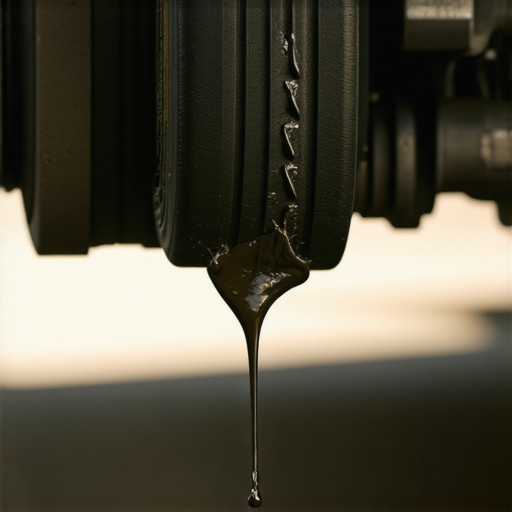
The CV joint is encased in a rubber or thermoplastic bellows, known as the boot, which holds specialized molybdenum-disulfide grease. This lubricant is the lifeblood of the joint, designed to withstand extreme centrifugal forces and heat. Once this boot is compromised—often by road debris or dry rot—the grease is expelled, and abrasive contaminants enter the precision assembly. Without this protective barrier, friction increases exponentially, leading to ‘galling’ of the metal surfaces. According to research by NHTSA, mechanical failures in drivetrain components are frequently linked to neglected preventative maintenance. Integrating a thorough inspection into your brake service or seasonal check-up is essential, as catching a torn boot early can save you the cost of a full axle replacement. If you are noticing grease splattered on the inner rim or brake caliper, it is time to consult a skilled mechanic you can trust before the joint overheats and seizes.
Can a Damaged CV Joint Actually Trigger a High-Speed Catastrophe?
Yes, though total axle separation at speed is the ‘final stage’ of failure. When an inner CV joint fails, it typically manifests as a side-to-side shudder during acceleration, often confused with unbalanced tires. However, if the joint cage shatters, the axle can physically detach or bind against the transmission housing. This binding can simulate a wheel lock-up or cause a total loss of power to the wheels. This is why utilizing mechanic tips for diagnosing common auto problems is vital for every high-mileage vehicle owner. Have you noticed a new vibration? Don’t wait until the car becomes undrivable. Ensure your vehicle remains safe by reviewing our essential tune up tips to boost your car’s performance in 2025 to stay ahead of wear-and-tear cycles.
Why Your Highway Shudder Might Not Be the Tires
Professional drivetrain analysis often reveals that vibrations occurring strictly under load—such as when climbing a grade or merging onto the freeway—are rarely the result of tire imbalance. Instead, this lateral ‘shudder’ usually signals a failure of the inner CV joint. While the outer joint handles steering angles, the inner joint, often a tripod design, manages the plunging motion required as the suspension moves up and down. When the ‘tulip’ housing develops pits from lack of lubrication or high-mileage wear, the rollers bind momentarily. If you have already explored the 15 hub clean up that fixes steering wheel shake and the issue persists, the internal geometry of your axle is the likely culprit. This specific vibration often disappears the moment you lift your foot off the accelerator, a classic symptom that distinguishes it from why your steering wheel shakes specifically at 65 mph due to tire issues.
The Hidden Link Between Suspension Geometry and Boot Longevity
Modified vehicles, particularly those with leveling kits or lowering springs, place an immense amount of stress on CV joints by forcing them to operate at extreme angles. The Society of Automotive Engineers (SAE) notes in their technical papers on universal joints that exceeding the design-intent angularity significantly increases internal heat and accelerated wear of the elastomeric boot materials. When the boot is stretched thin due to these angles, it becomes highly susceptible to ‘ballooning’ at high rotational speeds, leading to premature cracking. It is also vital to consider how other worn components contribute to this; for instance, understanding how to tell if your struts are actually blown is critical because excessive suspension travel further punishes the axle joints.
Does the brand of replacement axle really impact long-term drivetrain harmony?
When facing a replacement, many owners opt for the cheapest ‘remanufactured’ units to save on auto repair costs. However, remanufactured axles often reuse old housings that may have internal wear hidden beneath a fresh coat of paint. This can lead to a ‘new’ vibration immediately after installation. High-quality aftermarket or OEM units ensure the steel hardening and balancing meet the original factory specifications. If you are looking for auto repair cost saving tips from industry experts, the consensus is usually to invest in a new assembly rather than a budget-rebuild to avoid paying for labor twice. This is especially true if you are already hearing noises that make you wonder how to identify a bad wheel bearing by ear, as both components often fail in tandem on high-mileage vehicles.
Stop Ignoring the Clues Your Drivetrain is Sending
Identifying these issues early is the difference between a controlled repair and an emergency tow. A thorough tune up should always involve a ‘shake test’ of the half-shafts to check for excessive play in the splines or joints. Have you experienced a mysterious highway vibration that won’t go away? Share your symptoms in the comments or read our guide on diagnosing vibrations to see if your CV axles are the hidden culprit. Proactive maintenance is always cheaper than reactive failure.
Don’t Let a Leaking Transmission Seal Ruin Your New Axle
The interface where the inner CV joint enters the transaxle is a critical, often overlooked failure point. Even if the CV joint itself is replaced correctly, neglecting the rubber radial seal that prevents transmission fluid from escaping can lead to a messy, expensive nightmare. When a shaft is pulled, the splines can easily nick the delicate lip of the seal. A professional mechanic knows that replacing these seals during an axle swap is cheap insurance against fluid starvation. If you notice a red or brown puddle forming directly under the inner joint after a drive, the seal has likely failed. Failure to address this immediately can lead to low transmission fluid levels, causing slippage and eventual gearbox failure, turning a routine auto repair into a multi-thousand-dollar rebuild.
Why Torque Steer Becomes Violent When Axles Wear Unevenly
High-torque front-wheel-drive vehicles often suffer from torque steer, where the car pulls to one side during hard acceleration. While some of this is inherent to the drivetrain layout, a worn inner CV joint significantly exacerbates the problem. As the internal rollers develop flat spots, the resistance to plunging motion increases, creating an asymmetrical load across the front end. This isn’t just an annoyance; it can compromise your control during emergency maneuvers. Regular tune up intervals should include checking the carrier bearing—if your vehicle uses an intermediate shaft—as this component often mimics CV joint failure symptoms but requires a different repair approach. When the bearing in an intermediate shaft fails, it can send vibrations directly through the floorboards, which many drivers mistake for a brake service issue or warped rotors.
How can I distinguish between a clicking CV joint and a bad wheel bearing?
While both produce noise, a CV joint is most vocal during tight turns under power. In contrast, a wheel bearing often produces a consistent drone or growl that changes pitch based on vehicle speed, rather than steering angle. To isolate the bearing, a technician will often use a chassis ear or check for play in the 12-to-6 o’clock position on the tire. If the noise disappears when you let off the gas but remains while turning, the CV axle is the primary suspect. According to technical bulletins from the Automotive Service Association (ASA), improper installation torque on the axle nut is a leading cause of premature bearing failure in modern hub assemblies. Over-torquing crushes the internal races, while under-torquing allows for micro-movements that destroy the grease seal. Understanding these nuances is key to preventing recurring issues.
The Environmental Stressors That Shorten Axle Life
For drivers in colder climates, the road salt used for de-icing acts as a powerful corrosive agent that specifically targets the metal clamps securing your CV boots. Once these clamps rust and lose their tension, they allow moisture to seep into the joint. This moisture creates an emulsion with the grease, drastically reducing its lubricating properties. If you live in an area with harsh winters, a quick visual check for ‘weeping’ grease should be a staple of your seasonal maintenance. If you’ve recently performed a full brake job, you should have already been in the wheel well to inspect these components. Catching a loose clamp before it leads to a full tear is the kind of proactive maintenance that defines a high-performance vehicle owner.
Why Precision Balancing Matters for Long-Stroking Axles
Many aftermarket axles are mass-produced with wider tolerances than OEM parts, which can lead to harmonic resonance at specific RPM ranges. This is particularly noticeable in vehicles with long-travel suspensions, such as off-road trucks or SUVs. A shaft that is even slightly out of balance can cause the needle bearings within the tripod joint to vibrate against the tulip housing, leading to premature pitting. If you’ve recently replaced an axle and noticed a new vibration at 55 mph, it’s likely a balance issue within the shaft itself. Investigating how to fix car vibration at high speeds can help you determine if the new part is defective or if the installation requires further adjustment.
The interplay between the engine’s physical position and the axle’s entry angle is often the missing piece in chronic drivetrain issues. When hydraulic engine mounts collapse, they alter the driveline’s center of gravity, forcing the CV axle to operate at a static angle it was never designed to maintain. This misalignment places lateral pressure on the transaxle seals and the inner tripod bearings. If you’ve been chasing a vibration during a tune up that feels like a persistent shudder under torque, checking the engine and transmission mounts is a non-negotiable step. A professional mechanic understands that a sagging mount can mimic the symptoms of a bad axle, leading to expensive and unnecessary part replacements.
How Worn Engine Mounts Shred Your Axle Splines
When an engine mount fails, the entire power unit shifts under load, often pulling the inner CV joint to its maximum ‘plunge’ limit. This creates a phenomenon known as ‘bottoming out’ the joint, where the tripod rollers strike the end of the housing. Over time, this repeated impact mushrooms the ends of the splines, making future removal of the axle nearly impossible without damaging the transmission. Integrating a mount inspection into your routine auto repair workflow ensures that you aren’t just treating the symptom of a vibrating axle, but curing the structural cause.
Why Extreme Heat Turns CV Grease into Water
Thermal management is another critical factor in CV joint longevity that often goes ignored until smoke appears. Under high-load conditions—such as towing or aggressive track driving—the temperature within the outer joint can exceed 200 degrees Fahrenheit. If the grease is of sub-par quality, it undergoes ‘oil separation,’ where the liquid lubricant leaches out of the thickener. This leaves behind a waxy, useless residue that fails to protect the needle bearings. The National Institute for Automotive Service Excellence (ASE) emphasizes that technician training in lubrication chemistry is vital for correctly identifying ‘cooked’ joints versus those that failed due to mechanical debris. This thermal breakdown is the primary reason why high-performance vehicles require more frequent inspections during a standard brake service to check for boot swelling caused by internal gas pressure.
Can an electronic limited-slip differential (eLSD) mask early axle failure?
Modern torque-vectoring systems and eLSDs are incredibly adept at compensating for traction loss, but this technological prowess can actually hide the early warning signs of a failing inner CV joint. In a traditional open differential, a binding axle would manifest as immediate steering pull or a loss of momentum. However, an eLSD might compensate by shifting torque to the healthier side, effectively ‘masking’ the shudder until the joint is on the verge of disintegration. If your traction control light flickers during straight-line acceleration on dry pavement, it may not be a sensor issue; your drivetrain might be struggling to manage an asymmetrical load from a dying axle.
Leverage Digital NVH Tools for a Faster Diagnosis
To get ahead of these phantom issues, advanced DIYers and pros are increasingly turning to smartphone-based NVH (Noise, Vibration, Harshness) apps. By mounting your phone to the subframe or center console, these tools can graph the frequency of a vibration in Hertz. Since axle vibrations occur at ‘half-shaft speed’—which is distinct from engine RPM or wheel speed—this data allows you to pinpoint the exact source with surgical precision. Don’t let a mystery rattle turn into an expensive auto repair bill. Have you ever had a vibration that felt like it was coming from everywhere at once? Tell us about your diagnostic process in the comments below or check out our other guides to see if your suspension is truly to blame.
The Hidden Dangers of Cheap Circlips and Snap Rings
Precision in auto repair isn’t just about the big components; the smallest hardware often dictates the success of a job. Many economy-grade replacement axles ship with inferior circlips that lack the proper spring tension to lock the axle into the transmission side-gear. If the axle isn’t seated perfectly, it can ‘walk’ outward just enough to cause a slow transmission fluid leak or, in extreme cases, total spline disengagement. A seasoned mechanic will often reuse the original OEM snap ring or source a high-carbon steel replacement to ensure the axle remains anchored through the most violent suspension travel cycles. Neglecting this small detail can lead to a sudden loss of propulsion that feels identical to a transmission failure, often leading to misdiagnosis and wasted labor costs.
Expert Insights & Advanced Considerations
Look Beyond the Boot for Hidden Driveline Shudders
A visual inspection of the rubber bellows is the industry standard, but an expert mechanic knows that internal pitting of the tripod joint can occur even while the boot remains perfectly intact. This ghost vibration often results from localized overheating or poor-quality grease from the factory. If you have already performed the 15 hub clean up that fixes steering wheel shake and the lateral movement persists, the internal geometry of the axle is compromised despite a clean exterior.
Why Mount Integrity Dictates Joint Longevity
The most common cause of premature axle wear in front-wheel-drive vehicles is not road debris, but rather engine movement. When a support structure fails, the engine tilts, forcing the CV joint to operate at an extreme angle that generates massive internal friction. You must learn how to tell if your transmission mount is snapped before installing a new axle; otherwise, the new component will likely fail within months due to plunge limits being exceeded during every acceleration cycle.
The Friction Paradox Between Rotors and Splines
Many drivers overlook how heat transfer from the braking system affects the CV joint. During aggressive driving, a stuck caliper can transfer enough thermal energy through the hub to thin out the CV grease, leading to a dry joint scenario. Integrating a comprehensive brake service into your maintenance schedule ensures that excess heat is not silently destroying your drivetrain components from the inside out.
#IMAGE_PLACEHOLDER_E#
Capture Frequency Data to Pinpoint Rotational Failures
Do not guess between a tire and a joint. Use an NVH (Noise, Vibration, Harshness) analyzer to see if the vibration matches wheel speed or half-shaft speed. This is one of the most effective mechanic tips for diagnosing common auto problems because it removes the subjectivity of a test drive. If the peak vibration occurs specifically at highway speeds, compare your results with our guide on why your steering wheel shakes specifically at 65 mph to see if it is a balance issue or a binding joint.
Curated Expert Resources
SAE International Technical Papers: The definitive source for engineering data on Constant Velocity joint angularity and torque-load limits, providing deep technical insight for high-performance builds.
ASE Certification Modules: Advanced training materials for drivetrain specialists that cover the chemical breakdown of molybdenum-disulfide grease and thermal management in heavy-duty applications.
NHTSA Safety Database: An essential tool for tracking recall-level drivetrain failures and systemic axle weaknesses in specific vehicle platforms before they cause a breakdown.
Final Expert Perspective
Maintaining a high-performance vehicle requires moving beyond basic auto repair and adopting a holistic view of the drivetrain. The CV axle is the critical link that translates engine power into forward motion, and its health is inextricably tied to your suspension, mounts, and braking system. A proactive tune up strategy that includes measuring axle play and inspecting boot clamps will always be more cost-effective than a roadside breakdown. We invite you to share your specific diagnostic challenges in the comments or reach out to a professional mechanic to verify your driveline angles before your next long-distance trip.