Silent Cabins Depend on Micro-Engineering
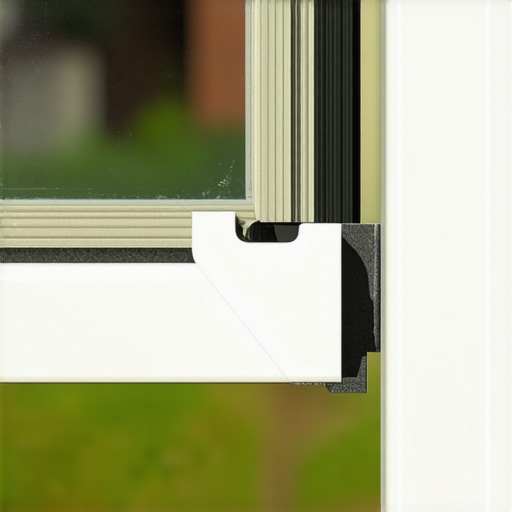
Automotive engineering is an intricate discipline where the perception of quality often rests on the silence of the vehicle cabin. Professional technicians understand that Noise, Vibration, and Harshness (NVH) profiles are meticulously managed during the design phase. However, as a vehicle ages, the degradation of small, seemingly insignificant components can lead to structural resonances that frustrate drivers and diminish the luxury experience. When a window begins to rattle within its track, the issue rarely stems from a catastrophic failure of the glass or the door frame itself. Instead, it typically points toward the failure of a specific polymer guide or sash clip. These components, often costing less than six dollars, serve as the critical interface between the heavy window glass and the metal regulator assembly. Failing to address these micro-failures often leads owners toward unnecessary expenses, when a skilled mechanic you can trust could resolve the vibration in minutes.
Why Plastic Clips Fail Faster Than Metal Components
Modern vehicles rely heavily on specialized thermoplastics like Polyoxymethylene (POM) for internal moving parts. While these materials offer high stiffness and low friction, they are subject to thermal cycling and fatigue. According to technical documentation from SAE International, the environmental stress within a car door—ranging from extreme solar heat to freezing moisture—accelerates the embrittlement of these plastic guides. Once the clip loses its structural integrity, it can no longer apply the necessary lateral pressure to the glass, resulting in that characteristic high-frequency rattle. This is why a comprehensive approach to auto repair involves inspecting not just the mechanical powertrain, but the structural fasteners that maintain cabin serenity. If you are noticing these symptoms, it may be time to consult an expert regarding a targeted intervention before the regulator motor burns out from the added friction.
Is Your Rattling Window a Symptom of a Dying Regulator?
A common inquiry among automotive enthusiasts is whether a minor rattle is the precursor to a total window failure. The answer is often yes. When the plastic guide clip snaps, the window regulator is forced to operate with uneven weight distribution. This creates excessive torque on the cable system and the electric motor. Over time, what could have been a simple $6 fix escalates into a multi-hundred dollar replacement of the entire regulator assembly. Professional diagnostic routines should always prioritize these small-scale failures during a routine tune up or inspection. By identifying these issues early, you prevent the mechanical cascade that leads to total system failure.
Beyond the Engine: Integrating NVH into Your Regular Maintenance Schedule
Maintenance is often incorrectly perceived as solely an engine-centric activity. While a high-quality brake service is vital for safety, the overall longevity of a vehicle is determined by how well it is maintained as a cohesive unit. Small interior repairs are just as critical as mechanical work in preserving the resale value and operational comfort of the car. Technicians who specialize in holistic care will check for loose trim, failing gaskets, and worn window guides alongside traditional services. Integrating these checks into your standard service intervals ensures that the vehicle remains as tight and silent as the day it left the factory. If your vehicle is exhibiting more than just window rattles, such as steering instability, you should investigate why your car wanders across the lane at high speeds to ensure total road safety. Contribute your own experiences with interior rattles in our community forums to help other drivers identify these elusive fixes.
Stop the Wind from Whistling Through Your Seals
While mechanical failures often announce themselves with a bang or a grind, the slow degradation of rubber weatherstripping creates a persistent ‘white noise’ that causes driver fatigue over long distances. These seals are not merely for keeping rain out; they are critical for maintaining cabin pressure and aerodynamic efficiency. Over time, UV exposure and ozone cause the EPDM rubber to lose its elasticity, creating microscopic gaps where air bleeds into the cabin at highway speeds. A simple visual inspection can often reveal the problem, but a more effective test involves a thin piece of paper placed between the seal and the frame. If the paper slides out easily when the door is closed, your seal has lost its compression. Identifying these failures early prevents the cabin from feeling ‘loose’ and keeps your climate control system from working overtime to compensate for pressure loss.

Does a Buzzing Dashboard Indicate a Loose Wiring Harness?
Persistent buzzing from behind the instrument cluster often points toward a loose wiring harness or a failing actuator. As modern vehicles incorporate more complex electronics, the sheer density of wiring behind the dash increases the likelihood of plastic-on-plastic contact. If the buzzing occurs specifically at certain engine RPMs, it is a clear sign of harmonic resonance. In many cases, that mystery clicking in your dash is actually a 12 plastic gear that has stripped its teeth, rather than a loose wire. Addressing these small internal components is a masterclass in car care, ensuring that a minor annoyance doesn’t mask a developing electrical fault. Expert technicians often use felt tape or foam insulators to dampen these contact points during a deep-dive tune up strategy to save you from future headaches.
Eliminate Structural Rattle Before It Destroys Your Resale Value
Noise beneath the vehicle is often more sinister than a simple interior squeak. High-frequency metallic rattling during acceleration is frequently caused by a failing heat shield or a loose exhaust hanger. According to research published in the Journal of Sound and Vibration, uncontrolled resonances in the exhaust system can transmit vibrations through the floorpan, which eventually weakens the fasteners holding the interior trim together. This is why a 15 fix for a rattling heat shield is not just about silence; it is about protecting the structural integrity of the entire vehicle. If left unchecked, these vibrations can even impact the sensitive sensors that manage your engine’s performance. For those who prefer a data-driven approach, using a 20 scanner that every modern driver should own can help you see if these physical vibrations are causing the ECU to retard timing due to ‘ghost’ knock readings.
How Can You Pinpoint a Sound Without Professional Ears?
The most difficult part of resolving NVH issues is the ‘ghost’ sound—the one that only appears on cold mornings or specific stretches of highway. To diagnose these effectively, you must become an observer of patterns. Does the noise change with engine speed or vehicle speed? If the noise changes when you turn the wheel, it might be a mechanical issue like a wheel bearing rather than a cabin trim piece. For DIY enthusiasts, understanding the nuances of how a car communicates is vital. If you find your car making strange noises after an oil change, check the simple things first, like the 5 hack for removing a stripped oil drain bolt that might have left things loose. If you’ve successfully silenced a stubborn cabin rattle, tell us which component was the culprit in the comments below to help your fellow drivers stay sane on the road.
Worn Bushings Turn Your Luxury Cabin Into a Resonant Drum
Worn subframe bushings turn your luxury cabin into a resonant drum by allowing mechanical energy to bypass intended isolation zones. As these elastomer components age, they undergo a process called thermo-oxidative degradation, which effectively turns soft, energy-absorbent rubber into a rigid conduit for vibration. Technicians often overlook these because they do not always ‘clunk’ like a failed ball joint; instead, they slowly raise the noise floor of the vehicle. If your highway cruise feels more taxing than it used to, it is rarely the tires alone. It is the failure of the subframe to decouple the road from the unibody. Professional NVH specialists use specialized ‘chassis ears’—multi-channel microphones clipped to various suspension points—to identify which specific corner is broadcasting noise into the cabin. Addressing these issues is a cornerstone of a high-end tune up that focuses on comfort rather than just combustion. When the rubber loses its damping coefficient, the entire vehicle frame starts to act like a tuning fork, amplifying tire hum into a low-frequency drone that can cause actual physical discomfort during long commutes.
Why Does My Panoramic Sunroof Rattle Even When Fully Closed?
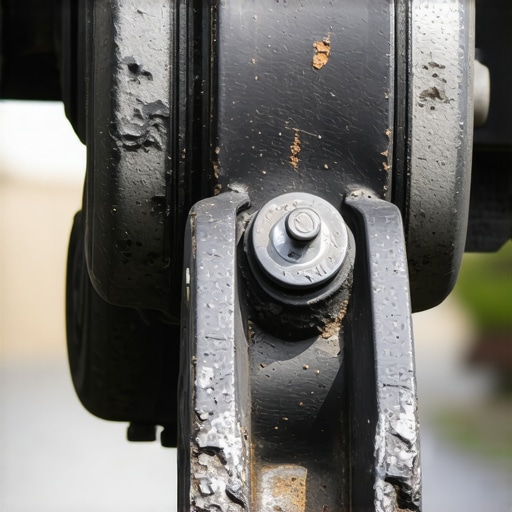
This is a common frustration for owners of modern SUVs and sedans. The culprit is typically the torsional flex of the vehicle body interacting with the seal interface of the glass panels. As the car turns or hits a bump, the frame twists slightly. If the sunroof seals have become dry or contaminated with debris, they ‘grab’ and ‘release’ the glass instead of sliding smoothly. This stick-slip phenomenon manifests as a sharp clicking or ticking sound right above the driver’s head. According to technical analysis published in SAGE Journals, the coefficient of friction on these seals must be maintained with specialized Krytox or silicone-based lubricants to prevent this acoustic interference. Simply cleaning the tracks and applying a high-grade lubricant can often restore the factory silence without needing a costly trip to the dealership for a rail replacement. Regular maintenance of these seals ensures the panoramic roof remains a luxury feature rather than an auditory nuisance.
Advanced Ultrasound Diagnostics Reveal Invisible Air Leaks
When wind noise persists despite new weatherstripping, an expert might use an ultrasonic transmitter placed inside the vehicle. By passing a receiver around the exterior of the doors and windows, the technician can pinpoint exactly where high-frequency sound waves are escaping. This level of precision ensures that you are not guessing which seal is the culprit. While a skilled mechanic you can trust will have these tools, you can perform a basic version of this check by listening for changes in pitch while a partner uses a low-pressure air hose around the door gaps. If you have ever felt a ‘draft’ at 70 mph that no one else can hear, it is likely a localized pressure drop caused by a misaligned strike plate. If you are serious about maintaining a pristine driving environment, identifying these micro-gaps is the next step in your automotive education. What is the most annoying sound you have ever had to track down in your car? Share your stories below to help the community diagnose these elusive ghosts in the machine.
Precision Lubrication Stops the Dreaded Steering Column Squeak
As the steering column passes through the firewall, it relies on a specific rubber boot to seal out engine noise and fumes. Over time, the lack of lubrication on the steering shaft can cause a high-pitched squeak every time you navigate a turn. This is often misdiagnosed as a failing power steering pump or a rack issue, leading to massive unnecessary repair bills. A targeted application of lithium grease to the firewall pass-through can solve the issue in seconds. However, the complexity of modern electronic power steering (EPS) systems means that even a small amount of physical resistance in the column can be interpreted by the ECU as an input error, potentially affecting the steering feel. Keeping these mechanical interfaces smooth is a subtle but vital part of high-level vehicle care that preserves that ‘new car’ responsiveness.
Stop Panel Ringing with Strategic Mass Loading
The thin sheet metal found in modern door skins often functions like a speaker diaphragm, amplifying the very vibrations the suspension is designed to isolate. High-end automotive restoration doesn’t just replace clips; it introduces mass-loading damping—specifically butyl-based sheets with an aluminum constraint layer. These materials convert kinetic energy into low-grade heat, effectively killing the resonance of the panel. When you tap a door and it sounds like a hollow tin can, you are hearing a lack of structural damping. Applying these materials to just twenty-five percent of a flat surface can drop the noise floor by several decibels, transforming the acoustic profile of the vehicle into something far more substantial.
Can Active Noise Cancellation Mask Real Mechanical Failures?
As manufacturers integrate Active Noise Cancellation (ANC) to offset the vibrations of cylinder-deactivation engines, a new diagnostic challenge arises. ANC uses the vehicle’s sound system to emit anti-noise frequencies that phase out low-frequency drones. While this creates a serene environment, it can inadvertently mask the early warning signs of a failing differential or a worn carrier bearing. Expert technicians must often disable these systems via the OBD-II port to perform a true ear-to-chassis diagnostic. According to technical papers archived by IEEE Xplore, the complexity of these algorithms means that even a minor change in cabin geometry—like adding a thick floor mat—can alter the system’s effectiveness. If you suspect your car is hiding a mechanical groan behind its speakers, it is time for a professional assessment.
The Invisible Science of Acoustic Laminated Glass
Many drivers are unaware that their windshield and front side windows are actually a multi-layer sandwich designed specifically for sound attenuation. Acoustic laminated glass features a specialized Polyvinyl Butyral (PVB) interlayer that is specifically tuned to absorb high-frequency wind noise and tire whine. If a replacement window is installed using standard tempered glass instead of the OEM-spec acoustic laminate, the cabin’s perceived quality will plummet instantly. This is why verifying part numbers during a glass repair is a critical step in maintaining NVH standards. This interlayer does more than just dampen sound; it also provides superior UV protection and structural integrity. Ensuring your glass meets these high-level specifications is a hallmark of a truly expert auto repair process.
Avoid the Over-Tightening Trap in Trim Restoration
When chasing a rattle, the instinct is often to tighten every bolt until it cannot move. However, in the world of automotive interior engineering, over-torquing can be just as damaging as a loose fastener. Plastic trim pieces require a specific amount of float to account for the different rates of thermal expansion between the polymer and the metal frame. Crushing a plastic mounting tab by over-tightening the screw creates internal stress that eventually leads to a stress fracture, resulting in a permanent, unfixable buzz. Use a low-range torque screwdriver and refer to factory service manuals for the exact inch-pound specifications to maintain that factory-fresh silence. If you have tackled a noise that everyone else said was normal, share your secret fix in the comments—your insight might save another driver hours of frustration and expensive diagnostic time.
Silent Cabins Depend on Micro-Engineering
Automotive engineering is an intricate discipline where the perception of quality often rests on the silence of the vehicle cabin. Professional technicians understand that Noise, Vibration, and Harshness (NVH) profiles are meticulously managed during the design phase. However, as a vehicle ages, the degradation of small, seemingly insignificant components can lead to structural resonances that frustrate drivers and diminish the luxury experience. When a window begins to rattle within its track, the issue rarely stems from a catastrophic failure of the glass or the door frame itself. Instead, it typically points toward the failure of a specific polymer guide or sash clip. These components, often costing less than six dollars, serve as the critical interface between the heavy window glass and the metal regulator assembly. Failing to address these micro-failures often leads owners toward unnecessary expenses, when a skilled mechanic you can trust could resolve the vibration in minutes.
Why Plastic Clips Fail Faster Than Metal Components
Modern vehicles rely heavily on specialized thermoplastics like Polyoxymethylene (POM) for internal moving parts. While these materials offer high stiffness and low friction, they are subject to thermal cycling and fatigue. According to technical documentation from SAE International, the environmental stress within a car door—ranging from extreme solar heat to freezing moisture—accelerates the embrittlement of these plastic guides. Once the clip loses its structural integrity, it can no longer apply the necessary lateral pressure to the glass, resulting in that characteristic high-frequency rattle. This is why a comprehensive approach to auto repair involves inspecting not just the mechanical powertrain, but the structural fasteners that maintain cabin serenity. If you are noticing these symptoms, it may be time to consult an expert regarding a targeted intervention before the regulator motor burns out from the added friction.
Is Your Rattling Window a Symptom of a Dying Regulator?
A common inquiry among automotive enthusiasts is whether a minor rattle is the precursor to a total window failure. The answer is often yes. When the plastic guide clip snaps, the window regulator is forced to operate with uneven weight distribution. This creates excessive torque on the cable system and the electric motor. Over time, what could have been a simple $6 fix escalates into a multi-hundred dollar replacement of the entire regulator assembly. Professional diagnostic routines should always prioritize these small-scale failures during a routine tune up or inspection. By identifying these issues early, you prevent the mechanical cascade that leads to total system failure.
Beyond the Engine: Integrating NVH into Your Regular Maintenance Schedule
Maintenance is often incorrectly perceived as solely an engine-centric activity. While a high-quality brake service is vital for safety, the overall longevity of a vehicle is determined by how well it is maintained as a cohesive unit. Small interior repairs are just as critical as mechanical work in preserving the resale value and operational comfort of the car. Technicians who specialize in holistic care will check for loose trim, failing gaskets, and worn window guides alongside traditional services. Integrating these checks into your standard service intervals ensures that the vehicle remains as tight and silent as the day it left the factory. If your vehicle is exhibiting more than just window rattles, such as steering instability, you should investigate why your car wanders across the lane at high speeds to ensure total road safety. Contribute your own experiences with interior rattles in our community forums to help other drivers identify these elusive fixes.
Stop the Wind from Whistling Through Your Seals
While mechanical failures often announce themselves with a bang or a grind, the slow degradation of rubber weatherstripping creates a persistent ‘white noise’ that causes driver fatigue over long distances. These seals are not merely for keeping rain out; they are critical for maintaining cabin pressure and aerodynamic efficiency. Over time, UV exposure and ozone cause the EPDM rubber to lose its elasticity, creating microscopic gaps where air bleeds into the cabin at highway speeds. A simple visual inspection can often reveal the problem, but a more effective test involves a thin piece of paper placed between the seal and the frame. If the paper slides out easily when the door is closed, your seal has lost its compression. Identifying these failures early prevents the cabin from feeling ‘loose’ and keeps your climate control system from working overtime to compensate for pressure loss.
Does a Buzzing Dashboard Indicate a Loose Wiring Harness?
Persistent buzzing from behind the instrument cluster often points toward a loose wiring harness or a failing actuator. As modern vehicles incorporate more complex electronics, the sheer density of wiring behind the dash increases the likelihood of plastic-on-plastic contact. If the buzzing occurs specifically at certain engine RPMs, it is a clear sign of harmonic resonance. In many cases, that mystery clicking in your dash is actually a 12 plastic gear that has stripped its teeth, rather than a loose wire. Addressing these small internal components is a masterclass in car care, ensuring that a minor annoyance doesn’t mask a developing electrical fault. Expert technicians often use felt tape or foam insulators to dampen these contact points during a deep-dive tune up strategy to save you from future headaches.
Eliminate Structural Rattle Before It Destroys Your Resale Value
Noise beneath the vehicle is often more sinister than a simple interior squeak. High-frequency metallic rattling during acceleration is frequently caused by a failing heat shield or a loose exhaust hanger. According to research published in the Journal of Sound and Vibration, uncontrolled resonances in the exhaust system can transmit vibrations through the floorpan, which eventually weakens the fasteners holding the interior trim together. This is why a 15 fix for a rattling heat shield is not just about silence; it is about protecting the structural integrity of the entire vehicle. If left unchecked, these vibrations can even impact the sensitive sensors that manage your engine’s performance. For those who prefer a data-driven approach, using a 20 scanner that every modern driver should own can help you see if these physical vibrations are causing the ECU to retard timing due to ‘ghost’ knock readings.
How Can You Pinpoint a Sound Without Professional Ears?
The most difficult part of resolving NVH issues is the ‘ghost’ sound—the one that only appears on cold mornings or specific stretches of highway. To diagnose these effectively, you must become an observer of patterns. Does the noise change with engine speed or vehicle speed? If the noise changes when you turn the wheel, it might be a mechanical issue like a wheel bearing rather than a cabin trim piece. For DIY enthusiasts, understanding the nuances of how a car communicates is vital. If you find your car making strange noises after an oil change, check the simple things first, like the 5 hack for removing a stripped oil drain bolt that might have left things loose. If you’ve successfully silenced a stubborn cabin rattle, tell us which component was the culprit in the comments below to help your fellow drivers stay sane on the road.
Worn Bushings Turn Your Luxury Cabin Into a Resonant Drum
Worn subframe bushings turn your luxury cabin into a resonant drum by allowing mechanical energy to bypass intended isolation zones. As these elastomer components age, they undergo a process called thermo-oxidative degradation, which effectively turns soft, energy-absorbent rubber into a rigid conduit for vibration. Technicians often overlook these because they do not always ‘clunk’ like a failed ball joint; instead, they slowly raise the noise floor of the vehicle. If your highway cruise feels more taxing than it used to, it is rarely the tires alone. It is the failure of the subframe to decouple the road from the unibody. Professional NVH specialists use specialized ‘chassis ears’—multi-channel microphones clipped to various suspension points—to identify which specific corner is broadcasting noise into the cabin. Addressing these issues is a cornerstone of a high-end tune up that focuses on comfort rather than just combustion. When the rubber loses its damping coefficient, the entire vehicle frame starts to act like a tuning fork, amplifying tire hum into a low-frequency drone that can cause actual physical discomfort during long commutes.
Why Does My Panoramic Sunroof Rattle Even When Fully Closed?
This is a common frustration for owners of modern SUVs and sedans. The culprit is typically the torsional flex of the vehicle body interacting with the seal interface of the glass panels. As the car turns or hits a bump, the frame twists slightly. If the sunroof seals have become dry or contaminated with debris, they ‘grab’ and ‘release’ the glass instead of sliding smoothly. This stick-slip phenomenon manifests as a sharp clicking or ticking sound right above the driver’s head. According to technical analysis published in SAGE Journals, the coefficient of friction on these seals must be maintained with specialized Krytox or silicone-based lubricants to prevent this acoustic interference. Simply cleaning the tracks and applying a high-grade lubricant can often restore the factory silence without needing a costly trip to the dealership for a rail replacement. Regular maintenance of these seals ensures the panoramic roof remains a luxury feature rather than an auditory nuisance.
Advanced Ultrasound Diagnostics Reveal Invisible Air Leaks
When wind noise persists despite new weatherstripping, an expert might use an ultrasonic transmitter placed inside the vehicle. By passing a receiver around the exterior of the doors and windows, the technician can pinpoint exactly where high-frequency sound waves are escaping. This level of precision ensures that you are not guessing which seal is the culprit. While a skilled mechanic you can trust will have these tools, you can perform a basic version of this check by listening for changes in pitch while a partner uses a low-pressure air hose around the door gaps. If you have ever felt a ‘draft’ at 70 mph that no one else can hear, it is likely a localized pressure drop caused by a misaligned strike plate. If you are serious about maintaining a pristine driving environment, identifying these micro-gaps is the next step in your automotive education. What is the most annoying sound you have ever had to track down in your car? Share your stories below to help the community diagnose these elusive ghosts in the machine.
Precision Lubrication Stops the Dreaded Steering Column Squeak
As the steering column passes through the firewall, it relies on a specific rubber boot to seal out engine noise and fumes. Over time, the lack of lubrication on the steering shaft can cause a high-pitched squeak every time you navigate a turn. This is often misdiagnosed as a failing power steering pump or a rack issue, leading to massive unnecessary repair bills. A targeted application of lithium grease to the firewall pass-through can solve the issue in seconds. However, the complexity of modern electronic power steering (EPS) systems means that even a small amount of physical resistance in the column can be interpreted by the ECU as an input error, potentially affecting the steering feel. Keeping these mechanical interfaces smooth is a subtle but vital part of high-level vehicle care that preserves that ‘new car’ responsiveness.
Stop Panel Ringing with Strategic Mass Loading
The thin sheet metal found in modern door skins often functions like a speaker diaphragm, amplifying the very vibrations the suspension is designed to isolate. High-end automotive restoration doesn’t just replace clips; it introduces mass-loading damping—specifically butyl-based sheets with an aluminum constraint layer. These materials convert kinetic energy into low-grade heat, effectively killing the resonance of the panel. When you tap a door and it sounds like a hollow tin can, you are hearing a lack of structural damping. Applying these materials to just twenty-five percent of a flat surface can drop the noise floor by several decibels, transforming the acoustic profile of the vehicle into something far more substantial.
Can Active Noise Cancellation Mask Real Mechanical Failures?
As manufacturers integrate Active Noise Cancellation (ANC) to offset the vibrations of cylinder-deactivation engines, a new diagnostic challenge arises. ANC uses the vehicle’s sound system to emit anti-noise frequencies that phase out low-frequency drones. While this creates a serene environment, it can inadvertently mask the early warning signs of a failing differential or a worn carrier bearing. Expert technicians must often disable these systems via the OBD-II port to perform a true ear-to-chassis diagnostic. According to technical papers archived by IEEE Xplore, the complexity of these algorithms means that even a minor change in cabin geometry—like adding a thick floor mat—can alter the system’s effectiveness. If you suspect your car is hiding a mechanical groan behind its speakers, it is time for a professional assessment.
The Invisible Science of Acoustic Laminated Glass
Many drivers are unaware that their windshield and front side windows are actually a multi-layer sandwich designed specifically for sound attenuation. Acoustic laminated glass features a specialized Polyvinyl Butyral (PVB) interlayer that is specifically tuned to absorb high-frequency wind noise and tire whine. If a replacement window is installed using standard tempered glass instead of the OEM-spec acoustic laminate, the cabin’s perceived quality will plummet instantly. This is why verifying part numbers during a glass repair is a critical step in maintaining NVH standards. This interlayer does more than just dampen sound; it also provides superior UV protection and structural integrity. Ensuring your glass meets these high-level specifications is a hallmark of a truly expert auto repair process.
Avoid the Over-Tightening Trap in Trim Restoration
When chasing a rattle, the instinct is often to tighten every bolt until it cannot move. However, in the world of automotive interior engineering, over-torquing can be just as damaging as a loose fastener. Plastic trim pieces require a specific amount of float to account for the different rates of thermal expansion between the polymer and the metal frame. Crushing a plastic mounting tab by over-tightening the screw creates internal stress that eventually leads to a stress fracture, resulting in a permanent, unfixable buzz. Use a low-range torque screwdriver and refer to factory service manuals for the exact inch-pound specifications to maintain that factory-fresh silence. If you have tackled a noise that everyone else said was normal, share your secret fix in the comments—your insight might save another driver hours of frustration and expensive diagnostic time.
Expert Insights & Advanced Considerations
Map the Harmonic Signature to Save Diagnostic Time
A professional approach to NVH doesn’t rely on guesswork. Using a smartphone-based spectrum analyzer can reveal whether a vibration occurs at a specific frequency that correlates with engine RPM or wheel speed. This data-driven method allows you to distinguish between a drivetrain issue and a simple loose trim piece, which is a hallmark of how a top-rated mechanic ensures safe auto repairs every time.
Thermal Fatigue Is the Silent Killer of Plastic Fasteners
Most DIYers underestimate the impact of extreme temperature cycling on interior polymers. In climates with intense seasonal shifts, the constant expansion and contraction of door panels eventually turn that mystery clicking in your dash into a permanent structural rattle. Replacing these clips before they shatter is a preemptive strategy used in high-end restoration to maintain cabin silence.
Structural Damping Beats Brute Force Every Time
Instead of over-tightening screws—which often leads to cracked tabs—apply small squares of butyl rubber to the center of large, flat plastic panels. This shifts the resonant frequency of the part out of the audible range. This technique is more effective than any general tune up for your interior comfort and prevents the panels from acting like resonators.
Curated Expert Resources
SAE International Technical Library: The definitive source for automotive engineering standards regarding material science and acoustic damping. Their database offers deep dives into the polymer degradation that leads to cabin noise.
I-CAR Professional Training: While focused on collision repair, their modules on structural fasteners and glass bonding are essential for understanding how to properly secure modern automotive components without creating new rattles.
Mitchell 1 ProDemand: This provides access to factory-specific Technical Service Bulletins which often contain non-obvious fixes for known cabin noises that a general auto repair shop might miss.
Final Expert Perspective
Maintaining a quiet cabin is a sophisticated balance of material science and mechanical precision. By addressing micro-failures like sash clips and weatherstripping early, you avoid the cascading costs of failed regulator motors and degraded resale value. A comprehensive tune up should always extend beyond the engine bay to include the structural integrity of your interior environment. If you’ve discovered a specific fix for a ghost rattle in your vehicle, or if you have questions about advanced soundproofing techniques, please share your thoughts below—your technical insight could be the key to another driver’s peace of mind.