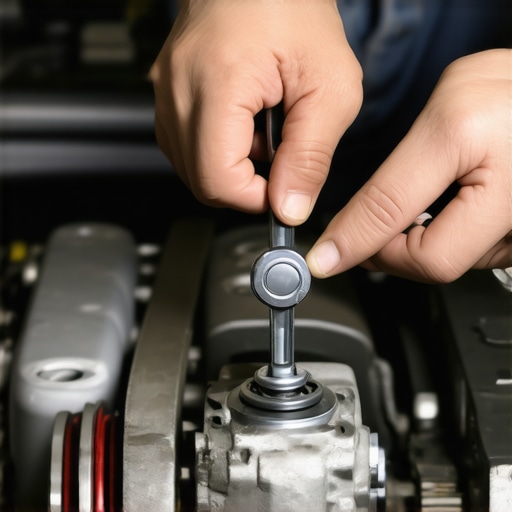
The Physics of Starter Failure and the Critical No-Start Diagnosis
When you turn your ignition key or press the start button, you initiate a high-current electrical transfer designed to crank a heavy internal combustion engine. When a starter motor begins to fail, it rarely dies in absolute silence without offering warning signs. Instead, it presents subtle symptoms: a hesitant crank, an ominous click, or a high-pitched whine. Understanding the electromechanical weak points of your starting system allows you to bypass a sudden failure and avoid being stranded on the side of the road. Often, motorists misdiagnose starter issues when the true culprit is a simple electrical connection. For instance, many drivers waste money on major components when the 15-battery terminal fix stops your car from randomly dying entirely by restoring the necessary current flow to the solenoid.
How Professionals Coerce a Stubborn Starter to Crank
In field diagnostics, experienced technicians utilize several mechanical and electrical workarounds to bypass a localized failure in the starter assembly. One time-tested emergency method is the tap technique. By gently tapping the starter motor casing with a wrench or hammer, you can physically realign stuck carbon brushes or shake loose a hung-up solenoid armature. This temporary disturbance allows the electrical current to pass through the commutator one last time. However, this is a strictly one-time emergency solution. If you find yourself repeatedly resorting to physical persuasion, you need to consult a skilled mechanic you can trust to diagnose whether the issue lies in the starter ring gear, the solenoid winding, or the ignition switch circuit.
Why Does Temperature Dictate Starter Motor Reliability?
Temperature fluctuations directly influence the electrical resistance within the copper starter windings and the viscosity of the engine oil the starter must overcome. In extreme cold, engine oil thickens, requiring significantly more cold cranking amps (CCA) to turn the flywheel. Simultaneously, chemical reactions within the lead-acid battery slow down, lowering its voltage output. Conversely, extreme engine bay heat increases the electrical resistance in the starter solenoid coil, making it incredibly difficult for a weak electromagnet to pull the starter pinion gear into the flywheel teeth. This thermal vulnerability is why many failing starters function perfectly fine when the engine is cold but refuse to restart after a short drive to the grocery store.
Is Your Starter Actually Dead or Is Your Engine Suffocating?
Before condemning the starter motor itself, a professional technician will always analyze the starting system holistically. A common diagnostic mistake is replacing a starter when the engine is actually suffering from severe parasitic drag or electrical starvation. Poor ground connections between the engine block and the chassis mimic a dead starter by restricting current return. Furthermore, engine health issues like a restricted throttle body or vacuum leaks can cause a weak crank to end in a stall. You can easily optimize your overall starting and idling health by learning how a dirty throttle body steals horsepower and fuel economy, which ensures your starter doesn’t have to fight a suffocating intake track during ignition. According to automotive electrical standards outlined by the National Institute for Automotive Service Excellence (ASE), voltage drop testing across the starter circuit is the only definitive way to rule out wiring resistance before replacing mechanical parts. If you suspect your starting issues are tied to broader maintenance neglect, read our expert breakdown on essential tune-up tips to boost your car’s performance to keep your entire powertrain operating at peak efficiency.
Detecting the Hidden Parasitic Draws That Mimic Starter Failure
Many drivers replace a starter motor only to find their brand-new component clicking helplessly the very next morning. This frustrating cycle occurs because a slow parasitic draw is silently draining the battery capacity overnight, leaving insufficient amperage for the starter solenoid to engage. To diagnose this, professionals skip the guesswork and use a digital multimeter to measure current draw across the fuse box. A classic culprit of these overnight drains is a faulty electrical relay or a sticking glove box light. If you suspect your battery is losing its charge while parked, you can master a simple diagnostic routine by checking out the 10-multimeter hack to find a battery drain overnight without paying diagnostic shop fees.
Why Do Bad Engine Grounds Mimic a Burnt-Out Starter?
Electricity must always complete a full circuit to perform work. While positive battery cables deliver massive amperage directly to the starter motor, the return path relies entirely on the vehicle’s metal chassis and engine ground straps. Over time, road salt, moisture, and engine vibrations corrode these ground connections. When a ground strap degrades, the starter cannot pull enough current, resulting in slow cranking, dashboard flickering, or random clicking noises. Cleaning these connection points is incredibly cheap and highly effective. In fact, resolving these invisible connection issues is as straightforward as applying the 15-ground-strap fix for mystery electrical gremlins to restore a perfect circuit ground and bring your starter back to life instantly.
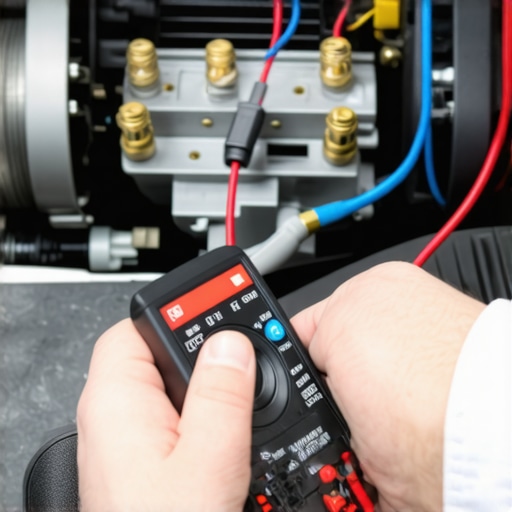
Mechanical Obstacles That Stop the Starter Dead in Its Tracks
Sometimes, the starting system failure is completely mechanical rather than electrical. If the engine’s internal components resist rotation, the starter motor draws excessive current, overheats, and burns out. Severe mechanical resistance can stem from a binding alternator, a locked-up air conditioning compressor, or internal engine damage like a spun rod bearing. Before purchasing expensive replacement parts, seasoned mechanics always recommend turning the crankshaft manually with a breaker bar. This simple physical test confirms whether the engine rotates freely or if an internal lockup is stopping the starter pinion from spinning the flywheel. For a deeper look into distinguishing minor starting issues from major mechanical failures, read our diagnostic breakdown on mechanic tips for diagnosing common auto problems before visiting a local repair shop.
According to the technical repair database hosted by ALLDATA, over 30% of starter motor replacements could be avoided by performing basic circuit load testing first. If you have experienced intermittent starting problems or want to share your own emergency roadside starter bypass stories, drop a comment below or share this article with a friend who is currently fighting a stubborn car that refuses to crank!
Skip the Parts Counter and Run a Voltage Drop Test Instead
When dealing with an engine that refuses to crank, the most expensive mistake you can make is immediately buying a replacement starter motor. Professional mechanics bypass the guesswork by performing a voltage drop test, which measures resistance within a live circuit under actual load. While a static multimeter test might show a healthy 12.6 volts at the battery, that voltage can drop precipitously when the starter draws massive amperage. To execute this diagnostic, connect your digital multimeter’s positive lead to the positive battery post and the negative lead to the starter solenoid’s main terminal, then have an assistant crank the engine. Any reading higher than 0.2 to 0.5 volts indicates excessive resistance in the cabling, poor crimps, or corrosion. This simple diagnostic prevents you from replacing a perfectly functional starter when a cheap length of copper wire is the actual culprit.
How Do You Safely Jump Start a Car with a Dead Solenoid?
If you suspect the starter solenoid is dead but the starter motor itself is functional, you can bypass the vehicle’s ignition switch circuit entirely using a remote starter switch or a heavy-duty insulated screwdriver. This advanced technique bypasses the ignition key signal by bridging the positive battery terminal on the solenoid directly to the spade terminal that receives the ignition switch signal. Doing so sends raw battery power directly to the solenoid pull-in windings, forcing the pinion gear to engage the flywheel. However, this method requires extreme caution: the vehicle must be in park or neutral with the parking brake fully engaged, as bypassing these circuits also bypasses the transmission safety neutral switch. For those looking to sharpen their diagnostic skills further, our comprehensive guide on mechanic tips for diagnosing common auto problems provides the exact step-by-step troubleshooting frameworks used in professional repair shops.
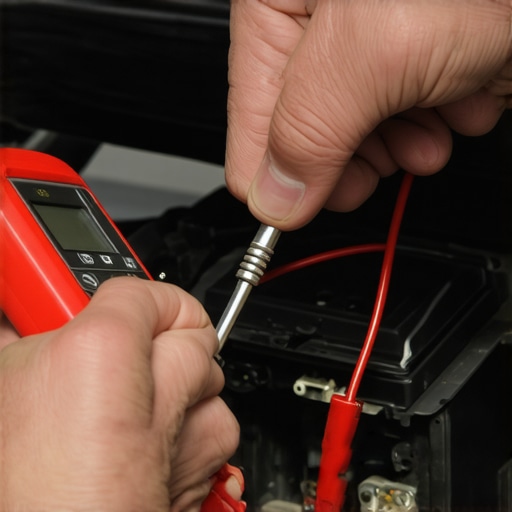
The Silent Role of Neutral Safety Switches and Security Immobilizers
Often, a starting system is starved of electricity not because of a mechanical failure, but because the vehicle’s onboard security or safety systems are actively blocking the ignition signal. The neutral safety switch, located on the transmission linkage, prevents the engine from cranking if the car is in gear. If this switch fails or goes out of alignment, the starter will receive zero voltage when you turn the key. Similarly, modern engine immobilizers use transponder chips embedded within your key fob to authorize starting. If the vehicle’s body control module fails to recognize the security key, it will silently cut off the starter relay circuit. Before condemning your starter, try shifting your transmission gear selector into neutral while holding the key to the crank position, or verify that your dashboard security light isn’t flashing rapidly, indicating an active anti-theft lockout.
Why High Amperage Demands Perfect Surface Contact to Prevent Click-No-Start
When a starter motor demands upwards of 150 to 300 amperes of current during a cold crank, even microscopic layers of oxidation on terminal surfaces act as massive electrical dams. This resistance converts critical electrical energy into heat instead of rotational force, resulting in the dreaded single click of a stalled solenoid armature. Mechanics often mistake this thermal block for internal mechanical binding, but the solution lies in the chemistry of the junction points. Applying a thin coat of dielectric grease after thoroughly cleaning the terminals to bare metal prevents oxygen from creeping back in and creating insulative lead oxide layers. For those seeking highly detailed schematics on high-amperage automotive circuits, the comprehensive manuals provided by the Society of Automotive Engineers (SAE) offer invaluable industry standards for wiring and connector integrity.
How Do You Isolate a Failing Ignition Switch From a Weak Starter Relay?
To accurately isolate a failing ignition switch from a faulty starter relay, you must perform a back-probe test at the relay socket using an LED test light or a digital multimeter. When you turn the ignition key to the start position, the ignition switch sends a 12-volt signal to the control circuit of the starter relay, which then energizes the high-current side of the circuit to feed the starter solenoid. If you detect 12 volts at the relay trigger terminal but the relay fails to click or pass current to the solenoid, the relay itself has failed internally. If no voltage reaches the relay trigger terminal during cranking, the fault lies further up the column in the physical ignition switch contacts, the neutral safety switch, or the security module, saving you from replacing a perfectly functional starter assembly.
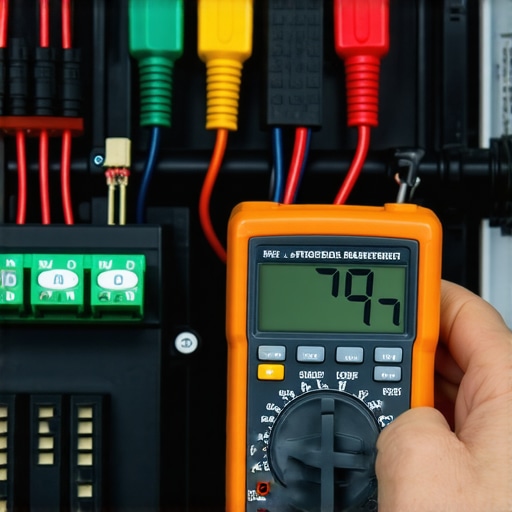
The Hidden Dynamic of Flywheel Ring Gear Wear and Pinion Binding
Sometimes the issue is an invisible physical war between the starter pinion and the engine flywheel. Over tens of thousands of starts, the hardened steel teeth on the starter motor drive gear clash violently with the softer metal teeth of the flywheel ring gear. This friction eventually shears or rounds off the leading edges of the ring gear teeth, particularly in the spots where the engine naturally comes to rest due to cylinder compression. When the starter pinion shoots outward, it fails to mesh cleanly, resulting in a horrific metallic grinding sound or a hard lockup that mimics a completely dead electrical system. To diagnose this physical interference without pulling the transmission, you can remove the starter motor and use a borescope to inspect the condition of the flywheel ring gear teeth while slowly rotating the crankshaft by hand.
If you have struggled with a mystery starting issue that seemed to disappear and reappear without warning, we would love to hear your troubleshooting stories! Leave a comment below with your diagnostic breakthroughs, or share this guide with a fellow DIYer currently chasing down a stubborn electrical issue in their garage.
Expert Insights & Advanced Considerations
Voltage Drop Testing Trumps Static Battery Measurements
A battery that registers 12.6 volts on a static multimeter can still drop below 9 volts under the massive 150-amp load of a cranking starter. Experienced technicians always prioritize dynamic load testing. Analyzing the voltage drop across both the positive supply side and the ground return path prevents the unnecessary replacement of functional starter motors when a corroded cable or an oxidized battery terminal is the true culprit. To save yourself from misdiagnosing a healthy starting system, mastering the 10-multimeter hack to find a battery drain overnight is an essential skill for isolating phantom electrical issues.
Why Engine Ground Circuits Hold the Key to Starter Longevity
An often overlooked aspect of automotive electrical health is the engine ground strap. High resistance on the ground return path forces current to seek alternative routes back to the battery, which can damage delicate electronic modules and cause intermittent starting issues. Before condemning the starter solenoid, it is vital to clean and secure the chassis-to-engine connections. Many persistent starter clicks are completely resolved by implementing the 15-ground-strap fix for mystery electrical gremlins, instantly restoring necessary current flow.
The Direct Impact of Parasitic Current on Starter Solenoid Performance
Persistent starting issues are frequently not starter failures at all, but rather the result of cumulative overnight battery depletion. A slow, parasitic draw weakens the reserve capacity of your battery, leaving just enough power to click the starter solenoid but not enough to turn the heavy flywheel ring gear. Before buying a new starter, run a systematic fuse-by-fuse circuit test to locate any hidden current drains. You can learn how to protect your starting system from electrical starvation by reviewing our guide on the 15-battery terminal fix that stops your car from randomly dying due to poor contact.
Curated Expert Resources
The National Institute for Automotive Service Excellence (ASE)
The gold standard for automotive technician certification. Their reference materials and testing frameworks offer professional-grade insights into high-amperage electrical diagnostics, circuit load testing, and starting system schematics.
ALLDATA Technical Repair Database
An invaluable, professional-level subscription service offering OEM-specific wiring diagrams, component locations, technical service bulletins (TSBs), and diagnostic procedures tailored to individual vehicle makes and models.
The Society of Automotive Engineers (SAE)
A global organization providing rigorous engineering standards, technical papers, and wiring specification guidelines that govern how modern high-current starting circuits and automotive batteries are designed and rated.
Final Expert Perspective
Diagnosing modern starting system issues demands a disciplined, analytical approach rather than a speculative parts-replacement strategy. By understanding the critical relationships between voltage drop, circuit resistance, and grounding efficiency, you can successfully resolve the frustrating click-no-start cycle. Working systematically keeps your vehicle reliable and prevents unnecessary maintenance expenses. If you want to further elevate your general diagnostic skills, explore our detailed breakdown on mechanic tips for diagnosing common auto problems to troubleshoot like a seasoned industry professional. What is the most challenging starting system issue you have ever had to diagnose? Share your troubleshooting breakthroughs or ask a question in the comments below!