Automotive detailing often intersects with fundamental auto repair principles, particularly when addressing the byproduct of high-performance friction materials. Brake dust is far more than an aesthetic nuisance; it is a chemically reactive cocktail of iron particulates, carbon fibers, and adhesive resins. When these components undergo intense thermal cycling during heavy braking, they effectively bake onto the wheel’s surface, initiating galvanic corrosion that can permanently pit alloy rims. Professionals recognize that maintaining the integrity of your wheels is as critical as a standard tune up for the engine, yet many owners neglect this until the damage requires professional refinishing.
Stop Ignoring the Corrosive Impact of Metallic Friction Dust
The accumulation of dark residue on your wheels is a direct result of the wear-and-tear cycle between your brake pads and rotors. As pads clamp down, microscopic shards of metal are shaved off. These shards are hot and jagged, allowing them to embed themselves into the clear coat of your wheels. According to research published by the Society of Automotive Engineers (SAE), the composition of modern ceramic and semi-metallic pads has shifted to prioritize stopping power, which often increases the volume of corrosive dust produced. To prevent long-term structural issues, integrating a thorough wheel decontamination into your ultimate tune up checklist is an essential proactive measure.
How Professional Mechanics Protect Rim Finish During Service
A mechanic focused on longevity knows that a comprehensive brake service should ideally involve an inspection of the wheel’s mounting surface and the surrounding hardware. If you are performing your own maintenance, you can utilize the simple way to check your brake pad thickness through the rim to determine if your pads are nearing the end of their service life, which often correlates with increased dusting. Professionals use specialized pH-balanced cleaners to lift iron particles without etching the metal. However, for the DIY enthusiast, a highly effective $5 trick involves using a concentrated solution of white vinegar and grease-cutting dish soap. The mild acidity of the vinegar breaks down the metallic bonds, while the surfactants in the soap lift the debris away safely.
Is Household Vinegar Actually Safe for Your High-Performance Rotors?
While vinegar is a potent cleaner for wheels, it is vital to apply it with precision. Expert-level maintenance requires ensuring that acidic cleaners do not sit on the brake rotors or calipers for extended periods, as this could lead to surface oxidation. The trick is to apply the solution only to the wheel surface, dwell for three minutes, and rinse thoroughly with high-pressure water. This prevents the need for abrasive scrubbing that can leave swirl marks. If you find the process overwhelming, it may be time to consult a skilled mechanic you can trust to handle the deeper aspects of your vehicle’s care.
Save Money by Integrating This $5 Hack into Your Maintenance Routine
Regular application of this low-cost cleaning method significantly reduces the need for expensive chemical decontaminants or wheel repainting. By maintaining a clean surface, you also make it easier to spot developing issues such as hairline cracks or leaking caliper seals. Consistency is the hallmark of professional-grade car care. If you are concerned about the state of your braking system beyond just aesthetics, learn more about brake service secrets to keep your vehicle in peak condition and ensure your safety on the road. Remember that why regular tune ups are key to car longevity includes every component that experiences heat and friction.
Beyond the surface-level aesthetics of wheel decontamination, the structural integrity of your braking system relies heavily on precision assembly. Many DIYers overlook the critical nature of wheel fastener tension, assuming that “tight enough” is sufficient. However, uneven clamping force across the rotor hat is a primary driver of lateral runout. This isn’t just a minor vibration; it leads to uneven heat distribution and localized “hot spots” that permanently warp the metal. If you’ve ever felt a rhythmic throb under your foot, you need to know how to stop your brakes from pulsing without new parts, starting with your mounting technique. Using a calibrated torque wrench is non-negotiable for a professional-grade brake service. Learning how to properly torque lug nuts without a professional gun ensures that the rotor remains perfectly flush against the hub, preventing the mechanical distortions that mimic a failing part. 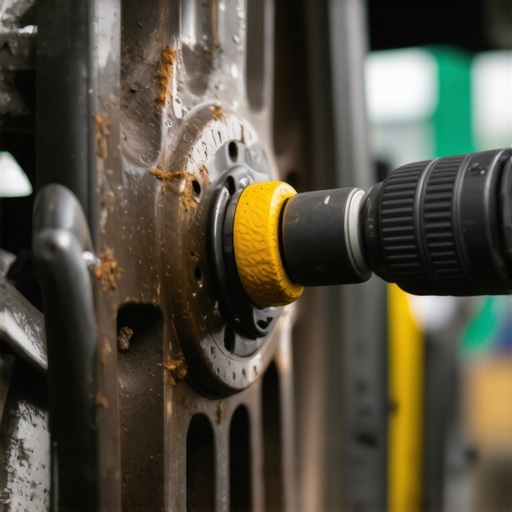
The Chemical Reality of Brake Fluid Degradation
The relationship between heat and fluid integrity is another area where many auto repair enthusiasts fall short. Brake fluid is hygroscopic, meaning it actively absorbs moisture from the atmosphere. Over time, this water content lowers the boiling point of the fluid, which can lead to vapor lock under heavy load. The National Institute for Automotive Service Excellence (ASE) emphasizes that even a 3% water contamination level can reduce a fluid’s boiling point by over 100 degrees Fahrenheit, significantly compromising safety. By consulting the brake fluid color chart when to worry, you can visually assess the health of your hydraulic system before a total failure occurs. Furthermore, degraded fluid can harbor debris that clogs the internal valves of the ABS module, turning a simple maintenance task into a multi-thousand dollar repair.
Why do new brake pads often smoke during the first few miles?
It is a common sight in the garage: a mechanic finishes a job, and upon the first test drive, a faint acrid smell and white wisps appear from the wheel wells. This is typically the “bedding-in” process, where the resins in the friction material cure under heat. Learning why your new brake pads are smoking is essential to differentiate between normal thermal cycling and a seized component. If the smoke persists, it often points to a mechanical hang-up. In many cases, the culprit is a lack of lubrication on the guide hardware. Learning how to rescue a seized brake caliper slide pin can save the life of your new pads and prevent the lopsided wear patterns that necessitate frequent tune up intervals.
The Critical Link Between Hub Cleanliness and Driving Comfort
The interface between the hub and the rotor often harbors a layer of oxidation that most drivers ignore. This microscopic layer of rust creates a “sandwich” effect that prevents the rotor from sitting true. A professional-grade tune up of the braking system must include a thorough cleaning of this surface. Neglecting this leads to a phenomenon often mistaken for warped rotors. Performing the $15 hub clean up that fixes steering wheel shake is a high-yield maintenance task that ensures the rotational balance remains centered. When the hub is pristine, the dynamic forces of the vehicle are distributed evenly, which is a core tenet of effective auto repair and long-term chassis health. Share your experiences with DIY brake fixes in the comments below or read our guide on diagnosing common vibrations to further hone your diagnostic skills.
Stop the Squeak by Swapping Out Your Anti-Rattle Clips
Many auto repair enthusiasts believe that as long as the pads have meat on them, the system is fine. However, the small stainless steel clips, known as anti-rattle hardware, are subject to extreme heat cycles that eventually temper the metal, causing it to lose its spring tension. When these clips fail to hold the pad firmly, you experience the dreaded high-pitched squeal even without braking. According to the Friction Materials Standards Institute (FMSI), which maintains the standardized D-numbering system for brake components globally, the precise geometry of these clips is vital for maintaining the 0.01-inch clearance required for optimal pad retraction. Replacing this hardware during every brake service is a non-negotiable step for any professional mechanic who prioritizes a noise-free finish.
How the Wrong Grease Destroys Your Caliper Boots
Lubrication is perhaps the most misunderstood part of a professional tune up for the braking system. Using a petroleum-based chassis grease on your slide pins is a recipe for disaster. Petroleum causes the EPDM rubber boots to swell and degrade, eventually tearing and allowing road salt and water to seize the pin entirely. Instead, experts insist on high-temperature silicone or ceramic-based lubricants that can withstand temperatures exceeding 2,000 degrees Fahrenheit. If you have ever noticed one pad wearing significantly faster than the other, it is a telltale sign of a seized slide pin. To fix this, you should follow the steps in how to rescue a seized brake caliper slide pin to ensure your calipers can float freely across the rotor face.
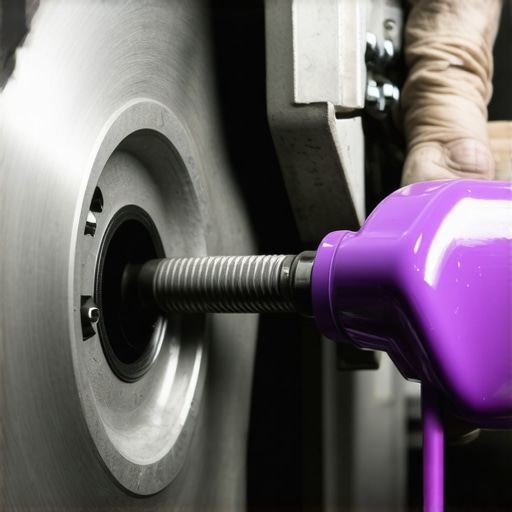
Is silicone or petroleum grease better for brake slide pins?
For the longevity of your hydraulic system, silicone-based lubricant is the undisputed winner. Unlike petroleum, silicone does not react with the rubber seals found in the caliper piston or the dust boots. This ensures that the seals remain pliable, preventing fluid leaks and keeping contaminants out of the piston bore. When a mechanic performs a high-level auto repair, they apply a thin film to the back of the pads and the contact points of the hardware, but never on the friction surface itself. If you are unsure about the state of your seals, take a moment during your next tire rotation to inspect for dampness around the caliper boot, which often signals an impending failure.
Why Your ABS Light Is Lying to You
Modern vehicles rely on a suite of electronic sensors to manage stability and traction, but these components are surprisingly vulnerable to the metallic dust we discussed earlier. The ABS sensor operates using the Hall effect, measuring the fluctuations in a magnetic field as a toothed tone ring spins. If the magnetic tip of the sensor becomes coated in a thick layer of metallic brake dust, the signal becomes blurred, triggering a dashboard warning light. Before you commit to an expensive brake service involving sensor replacement, try cleaning the sensor tip with a soft cloth and some electronics cleaner. This simple maintenance task is often the “hidden fix” that saves hundreds of dollars in unnecessary parts. This intersection of mechanical wear and electronic interference is where a thorough tune up proves its value by addressing the root cause rather than just the symptom.
As you dive deeper into the electrical side of your chassis, you may find that the wiring harnesses leading to these sensors have become brittle or frayed due to road debris. Monitoring the condition of these leads is just as important as checking the friction material itself. If the signal is intermittent, the computer may struggle to calculate the correct brake pressure, leading to a spongy pedal feel or premature ABS activation on dry pavement. Identifying these ghost issues requires a keen eye for detail and a systematic approach to diagnostics that goes beyond the basic mechanical components of the hub assembly. Next time you have the wheels off, trace the sensor wire back to its first connector to ensure the insulation remains intact against the heat of the rotor…
Beyond the wiring, the hydraulic conduit itself—your brake lines—dictates the immediacy of your vehicle’s response. Standard EPDM rubber hoses are engineered for flexibility, but they suffer from volumetric expansion under high pressure. This ballooning effect siphons off hydraulic force, resulting in a wooden or vague pedal feel that even the best tune up cannot fix. Swapping these for braided stainless steel lines encased in a PTFE liner eliminates this expansion, providing a direct, tactile link between your foot and the calipers. This modification is a staple for any mechanic looking to bridge the gap between daily driving and high-performance safety, as it ensures every ounce of pressure from the master cylinder reaches the friction surface.
How Cheap Rotors Disguise Dangerous Structural Flaws
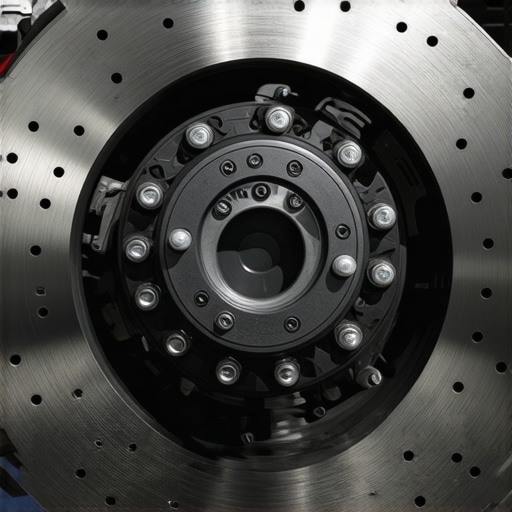
When upgrading, many enthusiasts lean toward cross-drilled rotors for their aesthetic appeal, yet professional-grade auto repair often favors slotted designs. Research from the Motor & Equipment Manufacturers Association (MEMA) suggests that while holes help gas escape, they can introduce stress risers that lead to catastrophic cracking under track-level thermal loads. In contrast, slots act as a scraper, continuously refreshing the pad surface and maintaining consistent friction levels without compromising the rotor’s structural integrity. Integrating high-quality metallurgy into your next brake service prevents the surface glazing that ruins pad bite and increases stopping distances unexpectedly.
Does an oversized master cylinder actually improve stopping distance?
It is a common misconception that a larger master cylinder equates to more stopping power. In reality, a larger bore increases the volume of fluid moved but decreases the mechanical advantage, often requiring significantly more pedal effort to achieve the same clamping force. A skilled mechanic understands that the master cylinder must be perfectly matched to the total piston area of the calipers. If you install massive six-piston calipers without adjusting the master cylinder, you may find the pedal travel becomes dangerously long. Conversely, an oversized cylinder with stock calipers results in a pedal so stiff that modulation becomes nearly impossible, proving that synergy is more important than raw size in auto repair.
Why Gravity Bleeding Beats the Old Pump-and-Hold Method
Traditional two-person bleeding often introduces turbulence into the hydraulic lines, which can trap microscopic air bubbles against the internal walls of the proportioning valve. Professional technicians often prefer gravity bleeding or vacuum pressure systems to ensure a laminar flow of fluid. By allowing the fluid to descend naturally through the system, you minimize the risk of aerating the new DOT 4 fluid. This meticulous approach is the hallmark of a high-level tune up, ensuring that the hydraulic column remains incompressible. When the fluid is crystal clear and free of air, the brake pedal offers a predictable, firm resistance that inspires confidence during emergency maneuvers.
The Thermal Trap of Modern Wheel Designs
Modern aerodynamic wheels, while excellent for fuel efficiency, often act as thermal insulators that trap heat around the braking assembly. Without adequate airflow, the radiant heat from a heavy braking event can soak into the wheel bearings and CV joints, thinning the grease and leading to premature failure of these critical chassis components. A comprehensive brake service should include an inspection of the dust shields to ensure they are not bent or obstructed, as these plates are designed to channel cooling air directly toward the rotor vanes. Maintaining this thermal equilibrium is vital for preventing the fluid boil that leads to sudden pedal fade on long descents. Check out our advanced diagnostic tools to see how you can measure your rotor temperatures after a drive to ensure your cooling system is functioning optimally.
Expert Insights & Advanced Considerations
Check Your Rotor Temps Before Tearing Things Apart
A professional uses an infrared thermometer to map heat distribution across the rotor face. If you see a 50-degree variance between the inner and outer diameters, your caliper isn’t applying even pressure. This often precedes the need for a full brake service because it indicates the piston is cocking slightly in the bore. Catching this early during a routine tune up prevents the uneven pad wear that many assume is just “natural.”
#IMAGE_PLACEHOLDER_E#
The Tapered Pad Warning You Are Likely Missing
When you pull your pads, look at the friction material from the side. If it is thinner on one end than the other, your caliper bracket is likely flexing or the guide pins are slightly bent. This subtle mechanical failure is why many DIY auto repair jobs end with a soft pedal. A top-rated mechanic will measure this with a micrometer rather than just eyeballing it to ensure structural integrity.
Stop Coating Your Hubs in Heavy Anti-Seize
There is a dangerous trend of slathering the entire hub surface with copper anti-seize. While it prevents rust, a thick layer can actually create runout by preventing the rotor from seating flat against the hub. Only a microscopic film on the center pilot is necessary. If you have struggled with a steering wheel shake after a recent project, you might need to perform the $15 hub clean up that fixes steering wheel shake to restore the perfect metal-to-metal contact required for high-speed stability.
Curated Expert Resources
ASE Training Manuals
These are the gold standard for certification in the industry. They offer deep dives into hydraulic theory and ABS logic that go far beyond standard consumer repair guides, making them essential for anyone serious about mastering top auto repair trends and complex system diagnostics.
SAE International Technical Papers
For the data-driven owner, reading SAE papers on friction coefficients and thermal dissipation provides the deep technical “why” behind pad selection. It helps you understand why some pads produce more dust than others during a high-performance brake service and how materials react to heat cycles.
Brake and Front End Magazine
This industry-focused publication covers real-world shop problems and Technical Service Bulletins (TSBs). It is a great way to stay ahead of common failures before they become expensive repairs, helping you save money on auto repairs by identifying known factory issues early.
Final Expert Perspective
Mastering the care of your vehicle requires looking beyond the obvious surface aesthetics. While cleaning brake dust preserves the finish, the true value lies in the diagnostic opportunities it provides. Every brake service is a chance to inspect the delicate balance between hydraulic pressure, thermal management, and mechanical alignment. Integrating these advanced checks into your regular tune up routine ensures that your auto repair efforts translate into measurable safety and performance gains. If you have encountered a stubborn vibration or a mystery squeal, we would love to hear your solution in the comments. For those looking to refine their technique even further, explore our guide on brake maintenance hacks to prevent costly failures or reach out to us via our contact page for specific technical inquiries.