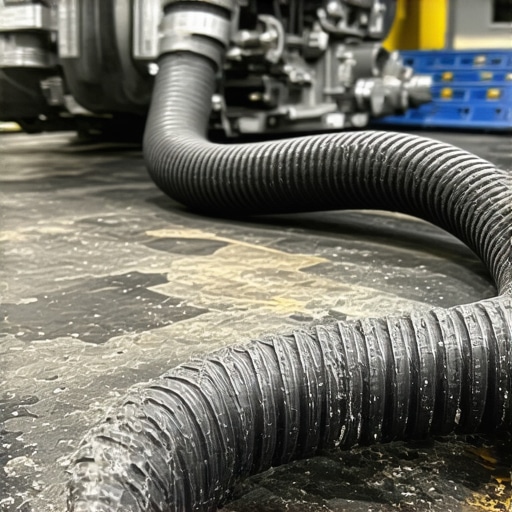
In the intricate ecosystem of internal combustion engines, the line between a catastrophic mechanical failure and a minor component degradation is often thinner than a rubber seal. Automotive technicians frequently encounter vehicles destined for the scrap heap due to perceived transmission slip, only to find that the culprit is a systemic imbalance in manifold vacuum. This diagnostic trap is particularly prevalent in older models and transitional electronic systems where the vacuum modulator plays a critical role in determining shift points. When a simple nine-dollar hose perishes, the resulting drop in pressure sends erroneous signals to the gearbox, mimicking the symptoms of worn friction plates or a failing torque converter. Professional-level auto repair requires a disciplined approach to eliminate these minor variables before committing to high-capital replacements.
The Diagnostic Mirage Between Vacuum Pressure and Gear Ratios
Experienced technicians understand that engine vacuum is not merely a byproduct of combustion; it is a vital communication stream. For many vehicles, the transmission relies on this vacuum to ‘read’ engine load. When a leak occurs, the transmission may shift harshly, late, or not at all, leading an inexperienced mechanic to misdiagnose the issue as internal gear failure. This is why a comprehensive tune up should always include a smoke test or a thorough inspection of the vacuum lines. Neglecting these basics can lead to unnecessary expenses that far exceed the cost of routine maintenance. Furthermore, the relationship between vacuum integrity and power assist means that a leak can even affect your vehicle’s stopping power, necessitating an early brake service to address inconsistent pedal feel caused by a failing booster.
Could Your Slipping Transmission Really Just Be a Cracked $9 Hose?
The short answer is a resounding yes. Vacuum leaks introduce unmetered air into the intake manifold, which not only affects idle quality but also disrupts the pressure signals required for smooth gear transitions. If you notice your car ‘hunting’ for gears or hesitating during acceleration, it is imperative to find a vacuum leak before assuming the worst. Often, the solution is as simple as replacing a brittle rubber connector that has succumbed to heat cycles. According to technical standards maintained by the Society of Automotive Engineers (SAE), air-fuel ratio deviations and vacuum leaks can trigger a cascade of sensor errors that mislead even sophisticated OBD-II scanners, reinforcing the need for hands-on physical inspections.
Shift Your Focus to Low-Cost Component Integrity First
In the realm of advanced diagnostics, the goal is always to rule out the simplest failures first. A car that stumbles or exhibits erratic shifting might be crying out for a sensor cleaning or a basic electrical check. In fact, many drivers discover that how to tell if your transmission slip is actually a $15 electrical issue is the most valuable knowledge they can possess. Before you authorize an expensive overhaul, learn how to choose a skilled mechanic you can trust to perform a proper differential diagnosis. By prioritizing systemic health—including regular spark plug replacement and fluid analysis as part of a seasonal auto repair strategy—you insulate yourself from the predatory practices of shops that favor parts-cannon solutions over precision troubleshooting.
The transition from a smooth-running engine to one that hesitates under load often points toward the Mass Airflow (MAF) sensor, a component frequently misunderstood by the average vehicle owner. When the MAF sensor becomes contaminated by microscopic debris or oil vapor, it sends skewed data to the Engine Control Unit (ECU), resulting in a lean fuel mixture that mimics the symptoms of a dying fuel pump. Before committing to a high-labor fuel system overhaul, savvy enthusiasts know that the 10-dollar cleaning move that saves your MAF sensor can restore lost horsepower and stabilize idle quality. This simple intervention demonstrates the power of precision over replacement, a core tenet of professional-grade auto repair.
The Ground Strap Is Your Vehicle’s Most Overlooked Safety Component
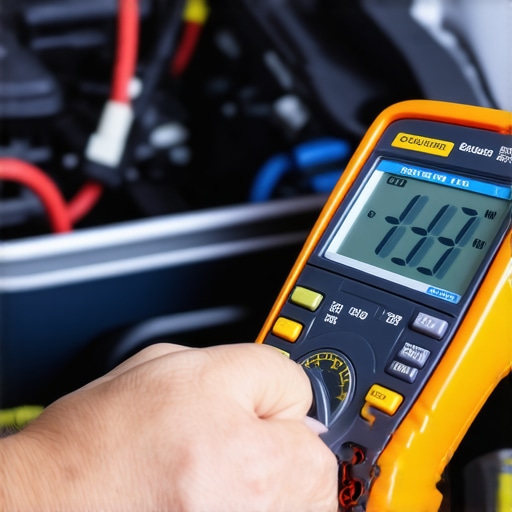
Electrical gremlins often present as erratic shifting, flickering dashboards, or intermittent no-start conditions, leading many to believe they have a faulty alternator or starter motor. However, the root cause is frequently a degraded ground strap—the braided cable that completes the electrical circuit between the engine block and the chassis. Over time, corrosion at the contact points increases resistance, choking the flow of current. Investigating the $15 ground strap fix for mystery electrical gremlins should be a priority for any technician facing a ‘ghost in the machine.’ According to the National Institute for Automotive Service Excellence (ASE), proper electrical circuit testing remains the most skipped step in modern diagnostics, yet it accounts for a significant percentage of misdiagnosed component failures.
Why Does Your Engine Surge at Red Lights But Purr on the Open Road?
This paradox is a classic symptom of an intake leak or a sticking Idle Air Control (IAC) valve. At highway speeds, the throttle plate is open wide enough that a small vacuum leak becomes statistically insignificant to the total air volume. However, at a stoplight, the engine relies on a precisely metered bypass of air. If you find that your engine surges while stopped at a light, the culprit is likely an unmetered air entry point that forces the ECU to constantly adjust fuel trims to prevent a stall. Addressing these nuances is part of a high-level tune up strategy that prioritizes drivability over simple parts swapping.
Stop Replacing Rotors for Every Brake Pedal Vibration
Vibration during deceleration is often attributed to ‘warped’ rotors, but actual metal warping is rarer than the industry suggests. Most often, the issue is uneven brake pad deposit—a layer of friction material that has transferred inconsistently to the rotor surface due to heat or poor bedding-in procedures. Learning how to stop your brakes from pulsing without new parts can save hundreds of dollars. By using a specialized abrasive or a re-bedding sequence, you can level these deposits and restore a smooth pedal feel. Integrating these brake service strategies ensures you are maintaining your safety systems without falling victim to the ‘replace-all’ mentality. Have you ever discovered a simple fix that saved you from an expensive repair bill? Share your diagnostic wins in the comments below or read our guide on choosing a mechanic who prioritizes testing over replacement.
Modern vehicles are essentially rolling data centers, yet the most sophisticated scanners often fail to pinpoint the physical reality of a mechanical failure. To master auto repair at an expert level, one must move beyond reading trouble codes and begin interpreting the narrative behind the data. This is nowhere more apparent than in the analysis of fuel trims. When a technician sees a positive fuel trim percentage exceeding double digits, the instinct is often to replace an oxygen sensor. However, the seasoned professional knows this is merely the Engine Control Unit (ECU) reporting a compensatory action. The computer is dumping more fuel into the combustion chamber to counteract an abundance of unmetered air, likely from a vacuum leak or a failing intake gasket. By monitoring these numbers in real-time while using a propane enrichment tool, you can locate the exact source of the leak without ever turning a wrench on the engine block itself.
Stop Chasing Ghosts and Start Mapping Fuel Trim Deviations
The nuance of diagnostic logic requires a shift from reactive part-swapping to proactive systemic analysis. If the Short Term Fuel Trim (STFT) stabilizes at high RPMs but spikes at idle, you are almost certainly looking at a vacuum leak rather than a fuel delivery issue. This is because the volume of ‘false air’ becomes a smaller percentage of the total intake charge as the throttle plate opens. Conversely, if the lean condition persists or worsens at higher speeds, the culprit shifts toward a clogged fuel filter or a weary fuel pump that cannot maintain volume under load. Integrating these observations into your routine tune up protocol transforms a simple spark plug change into a comprehensive health screening. Mastering this level of data interpretation is what separates a parts-changer from a true mechanic.

Can a Tiny PCV Valve Really Mimic a Blown Head Gasket?
It sounds improbable, but a stuck-open Positive Crankcase Ventilation (PCV) valve can create symptoms that mimic severe internal engine damage. When the valve fails, it allows unrestricted manifold vacuum to pull oil vapor and combustion gases directly into the intake tract. This often results in a distinct blue-white smoke from the exhaust, an erratic idle, and significant oil consumption—symptoms that many shops misinterpret as worn piston rings or failing valve seals. Before you agree to a multi-thousand-dollar engine teardown, a simple five-minute test of the PCV system is mandatory. According to data archived by the National Highway Traffic Safety Administration (NHTSA) technical service bulletins, a significant volume of engine-related complaints are traced back to neglected emissions components that cost less than a tank of gas to replace.
Don’t Junk Your Transmission Before Checking the Speed Sensor Pulse
Transmission health is frequently misrepresented by the erratic behavior of a $30 Variable Speed Sensor (VSS). If your speedometer is needle-dancing or your cruise control refuses to engage, the transmission control module may lose its primary reference point for shift timing. The resulting ‘limp mode’ or harsh engagement can feel like a total mechanical meltdown. Before committing to a rebuild, verify the integrity of the VSS wiring harness. Road salt and heat cycles frequently compromise the shielding, introducing electromagnetic interference that confuses the ECU. This is why a targeted auto repair strategy focuses on the signal path rather than just the mechanical components. Have you ever been told you needed a new gearbox only to find a loose wire? If you are facing a mystery shift issue, check out our guide on testing sensors with a simple multimeter to save yourself from a predatory repair quote.
Beyond the sensors and the software, the physical mounting of the drivetrain plays a silent but critical role in how a car ‘feels’ during a transition. A snapped motor mount can allow the engine to rotate several degrees under torque, stretching wire harnesses and misaligning shift linkages. This physical displacement can create a ‘thud’ that feels remarkably like a failing torque converter or a brake service issue where the calipers are sticking. Identifying these secondary physical failures requires a ‘load test’ where the technician observes the engine’s movement while the brakes are applied in gear. This hands-on approach ensures that the vibration you feel in your seat isn’t just a rubber mount that has reached the end of its service life after years of heat and vibration.
The pursuit of a flawless auto repair often leads technicians into the murky waters of thermal dynamics, where a cooling system failure can masquerade as a terminal engine defect. A common nightmare for vehicle owners is the ‘false positive’ head gasket diagnosis. When a cooling system cannot maintain pressure due to a hairline fracture in a plastic coolant crossover or a weak radiator cap, the engine may exhibit localized overheating and white vapor from the tailpipe. Before you authorize an engine teardown, a professional mechanic will employ a chemical combustion leak detector. This tool sniffs for carbon dioxide within the cooling system; a color change in the testing fluid provides empirical evidence of a breached combustion chamber, preventing the unnecessary replacement of a healthy engine block based on mere symptoms.
Don’t Buy an Engine Block Before Testing for Combustion Gas
Identifying the ‘pheromones of failure’ within the cooling system is a hallmark of expert-level diagnostic logic. If the block test returns negative, the focus should shift to the thermal equilibrium of the radiator and the efficiency of the water pump. A worn impeller might still circulate some coolant, but fail to provide the high-volume flow required under load, leading to ‘heat soak’ that mimics a blown gasket. Furthermore, air pockets trapped in the heater core can create erratic temperature spikes. A vacuum-filling tool is the industry standard for a high-quality tune up of the cooling system, ensuring no air remains to disrupt the thermal transfer. This level of precision protects the delicate aluminum heads found in modern powerplants from the warping that necessitates an expensive auto repair.

Can an Overheated Transmission Fluid Cooler Mimic a Slipping Clutch Pack?
Yes, and the physics behind it are simple: viscosity breakdown. Modern automatic transmissions are hyper-sensitive to fluid temperature. If the integrated transmission cooler inside your radiator becomes restricted, the fluid temperature can soar beyond 220 degrees Fahrenheit. At these temperatures, the ATF (Automatic Transmission Fluid) thins significantly, losing the hydraulic pressure required to keep clutch packs firmly engaged. The result is a ‘flare’ or slip during shifts that feels like internal mechanical wear. According to technical bulletins from the Automatic Transmission Rebuilders Association (ATRA), over 25% of supposed ‘rebuild-ready’ transmissions are actually suffering from cooling-related fluid degradation or external sensor malfunctions.
Resetting Adaptive Learning Is the Missing Link in Modern Gearbox Care
When you perform a tune up or replace a shift solenoid, the job isn’t finished until you address the Transmission Control Module’s (TCM) adaptive memory. Modern gearboxes ‘learn’ the wear patterns of their internal components and adjust line pressure to compensate for aging friction plates. If you install new parts but fail to reset these adaptive tables, the computer will continue to apply pressure based on the old, worn components, leading to harsh shifts or premature wear of the new parts. This digital recalibration is a critical step in professional auto repair that DIYers often overlook. It ensures the software and hardware are speaking the same language, restoring that ‘factory-new’ shift feel without the ‘factory-new’ price tag.
The complexity of these systems underscores why a systematic approach is non-negotiable. Whether you are chasing a ghost in the electrical harness or trying to decipher an erratic idle, the goal is to validate the integrity of every supporting system before condemning a major component. By prioritizing physical testing—like fuel pressure sweeps and oscilloscope patterns—over simple code-clearing, you elevate your maintenance game to a professional standard. What was the most elusive ‘ghost’ you ever had to hunt down in your car’s engine bay? Share your most challenging diagnostic wins in the comments, and don’t forget to check our deep-dive into brake service strategies that prevent costly rotor warping through proper hub cleaning.
In the intricate ecosystem of internal combustion engines, the line between a catastrophic mechanical failure and a minor component degradation is often thinner than a rubber seal. Automotive technicians frequently encounter vehicles destined for the scrap heap due to perceived transmission slip, only to find that the culprit is a systemic imbalance in manifold vacuum. This diagnostic trap is particularly prevalent in older models and transitional electronic systems where the vacuum modulator plays a critical role in determining shift points. When a simple nine-dollar hose perishes, the resulting drop in pressure sends erroneous signals to the gearbox, mimicking the symptoms of worn friction plates or a failing torque converter. Professional-level auto repair requires a disciplined approach to eliminate these minor variables before committing to high-capital replacements.
The Diagnostic Mirage Between Vacuum Pressure and Gear Ratios
Experienced technicians understand that engine vacuum is not merely a byproduct of combustion; it is a vital communication stream. For many vehicles, the transmission relies on this vacuum to ‘read’ engine load. When a leak occurs, the transmission may shift harshly, late, or not at all, leading an inexperienced mechanic to misdiagnose the issue as internal gear failure. This is why a comprehensive tune up should always include a smoke test or a thorough inspection of the vacuum lines. Neglecting these basics can lead to unnecessary expenses that far exceed the cost of routine maintenance. Furthermore, the relationship between vacuum integrity and power assist means that a leak can even affect your vehicle’s stopping power, necessitating an early brake service to address inconsistent pedal feel caused by a failing booster.
Could Your Slipping Transmission Really Just Be a Cracked $9 Hose?
The short answer is a resounding yes. Vacuum leaks introduce unmetered air into the intake manifold, which not only affects idle quality but also disrupts the pressure signals required for smooth gear transitions. If you notice your car ‘hunting’ for gears or hesitating during acceleration, it is imperative to find a vacuum leak before assuming the worst. Often, the solution is as simple as replacing a brittle rubber connector that has succumbed to heat cycles. According to technical standards maintained by the Society of Automotive Engineers (SAE), air-fuel ratio deviations and vacuum leaks can trigger a cascade of sensor errors that mislead even sophisticated OBD-II scanners, reinforcing the need for hands-on physical inspections.
Shift Your Focus to Low-Cost Component Integrity First
In the realm of advanced diagnostics, the goal is always to rule out the simplest failures first. A car that stumbles or exhibits erratic shifting might be crying out for a sensor cleaning or a basic electrical check. In fact, many drivers discover that how to tell if your transmission slip is actually a $15 electrical issue is the most valuable knowledge they can possess. Before you authorize an expensive overhaul, learn how to choose a skilled mechanic you can trust to perform a proper differential diagnosis. By prioritizing systemic health—including regular spark plug replacement and fluid analysis as part of a seasonal auto repair strategy—you insulate yourself from the predatory practices of shops that favor parts-cannon solutions over precision troubleshooting.
The transition from a smooth-running engine to one that hesitates under load often points toward the Mass Airflow (MAF) sensor, a component frequently misunderstood by the average vehicle owner. When the MAF sensor becomes contaminated by microscopic debris or oil vapor, it sends skewed data to the Engine Control Unit (ECU), resulting in a lean fuel mixture that mimics the symptoms of a dying fuel pump. Before committing to a high-labor fuel system overhaul, savvy enthusiasts know that the 10-dollar cleaning move that saves your MAF sensor can restore lost horsepower and stabilize idle quality. This simple intervention demonstrates the power of precision over replacement, a core tenet of professional-grade auto repair.
The Ground Strap Is Your Vehicle’s Most Overlooked Safety Component
Electrical gremlins often present as erratic shifting, flickering dashboards, or intermittent no-start conditions, leading many to believe they have a faulty alternator or starter motor. However, the root cause is frequently a degraded ground strap—the braided cable that completes the electrical circuit between the engine block and the chassis. Over time, corrosion at the contact points increases resistance, choking the flow of current. Investigating the $15 ground strap fix for mystery electrical gremlins should be a priority for any technician facing a ‘ghost in the machine.’ According to the National Institute for Automotive Service Excellence (ASE), proper electrical circuit testing remains the most skipped step in modern diagnostics, yet it accounts for a significant percentage of misdiagnosed component failures.
Why Does Your Engine Surge at Red Lights But Purr on the Open Road?
This paradox is a classic symptom of an intake leak or a sticking Idle Air Control (IAC) valve. At highway speeds, the throttle plate is open wide enough that a small vacuum leak becomes statistically insignificant to the total air volume. However, at a stoplight, the engine relies on a precisely metered bypass of air. If you find that your engine surges while stopped at a light, the culprit is likely an unmetered air entry point that forces the ECU to constantly adjust fuel trims to prevent a stall. Addressing these nuances is part of a high-level tune up strategy that prioritizes drivability over simple parts swapping.
Stop Replacing Rotors for Every Brake Pedal Vibration
Vibration during deceleration is often attributed to ‘warped’ rotors, but actual metal warping is rarer than the industry suggests. Most often, the issue is uneven brake pad deposit—a layer of friction material that has transferred inconsistently to the rotor surface due to heat or poor bedding-in procedures. Learning how to stop your brakes from pulsing without new parts can save hundreds of dollars. By using a specialized abrasive or a re-bedding sequence, you can level these deposits and restore a smooth pedal feel. Integrating these brake service strategies ensures you are maintaining your safety systems without falling victim to the ‘replace-all’ mentality. Have you ever discovered a simple fix that saved you from an expensive repair bill? Share your diagnostic wins in the comments below or read our guide on choosing a mechanic who prioritizes testing over replacement.
Modern vehicles are essentially rolling data centers, yet the most sophisticated scanners often fail to pinpoint the physical reality of a mechanical failure. To master auto repair at an expert level, one must move beyond reading trouble codes and begin interpreting the narrative behind the data. This is nowhere more apparent than in the analysis of fuel trims. When a technician sees a positive fuel trim percentage exceeding double digits, the instinct is often to replace an oxygen sensor. However, the seasoned professional knows this is merely the Engine Control Unit (ECU) reporting a compensatory action. The computer is dumping more fuel into the combustion chamber to counteract an abundance of unmetered air, likely from a vacuum leak or a failing intake gasket. By monitoring these numbers in real-time while using a propane enrichment tool, you can locate the exact source of the leak without ever turning a wrench on the engine block itself.
Stop Chasing Ghosts and Start Mapping Fuel Trim Deviations
The nuance of diagnostic logic requires a shift from reactive part-swapping to proactive systemic analysis. If the Short Term Fuel Trim (STFT) stabilizes at high RPMs but spikes at idle, you are almost certainly looking at a vacuum leak rather than a fuel delivery issue. This is because the volume of ‘false air’ becomes a smaller percentage of the total intake charge as the throttle plate opens. Conversely, if the lean condition persists or worsens at higher speeds, the culprit shifts toward a clogged fuel filter or a weary fuel pump that cannot maintain volume under load. Integrating these observations into your routine tune up protocol transforms a simple spark plug change into a comprehensive health screening. Mastering this level of data interpretation is what separates a parts-changer from a true mechanic.
Can a Tiny PCV Valve Really Mimic a Blown Head Gasket?
It sounds improbable, but a stuck-open Positive Crankcase Ventilation (PCV) valve can create symptoms that mimic severe internal engine damage. When the valve fails, it allows unrestricted manifold vacuum to pull oil vapor and combustion gases directly into the intake tract. This often results in a distinct blue-white smoke from the exhaust, an erratic idle, and significant oil consumption—symptoms that many shops misinterpret as worn piston rings or failing valve seals. Before you agree to a multi-thousand-dollar engine teardown, a simple five-minute test of the PCV system is mandatory. According to data archived by the National Highway Traffic Safety Administration (NHTSA) technical service bulletins, a significant volume of engine-related complaints are traced back to neglected emissions components that cost less than a tank of gas to replace.
Don’t Junk Your Transmission Before Checking the Speed Sensor Pulse
Transmission health is frequently misrepresented by the erratic behavior of a $30 Variable Speed Sensor (VSS). If your speedometer is needle-dancing or your cruise control refuses to engage, the transmission control module may lose its primary reference point for shift timing. The resulting ‘limp mode’ or harsh engagement can feel like a total mechanical meltdown. Before committing to a rebuild, verify the integrity of the VSS wiring harness. Road salt and heat cycles frequently compromise the shielding, introducing electromagnetic interference that confuses the ECU. This is why a targeted auto repair strategy focuses on the signal path rather than just the mechanical components. Have you ever been told you needed a new gearbox only to find a loose wire? If you are facing a mystery shift issue, check out our guide on testing sensors with a simple multimeter to save yourself from a predatory repair quote.
Beyond the sensors and the software, the physical mounting of the drivetrain plays a silent but critical role in how a car ‘feels’ during a transition. A snapped motor mount can allow the engine to rotate several degrees under torque, stretching wire harnesses and misaligning shift linkages. This physical displacement can create a ‘thud’ that feels remarkably like a failing torque converter or a brake service issue where the calipers are sticking. Identifying these secondary physical failures requires a ‘load test’ where the technician observes the engine’s movement while the brakes are applied in gear. This hands-on approach ensures that the vibration you feel in your seat isn’t just a rubber mount that has reached the end of its service life after years of heat and vibration.
The pursuit of a flawless auto repair often leads technicians into the murky waters of thermal dynamics, where a cooling system failure can masquerade as a terminal engine defect. A common nightmare for vehicle owners is the ‘false positive’ head gasket diagnosis. When a cooling system cannot maintain pressure due to a hairline fracture in a plastic coolant crossover or a weak radiator cap, the engine may exhibit localized overheating and white vapor from the tailpipe. Before you authorize an engine teardown, a professional mechanic will employ a chemical combustion leak detector. This tool sniffs for carbon dioxide within the cooling system; a color change in the testing fluid provides empirical evidence of a breached combustion chamber, preventing the unnecessary replacement of a healthy engine block based on mere symptoms.
Don’t Buy an Engine Block Before Testing for Combustion Gas
Identifying the ‘pheromones of failure’ within the cooling system is a hallmark of expert-level diagnostic logic. If the block test returns negative, the focus should shift to the thermal equilibrium of the radiator and the efficiency of the water pump. A worn impeller might still circulate some coolant, but fail to provide the high-volume flow required under load, leading to ‘heat soak’ that mimics a blown gasket. Furthermore, air pockets trapped in the heater core can create erratic temperature spikes. A vacuum-filling tool is the industry standard for a high-quality tune up of the cooling system, ensuring no air remains to disrupt the thermal transfer. This level of precision protects the delicate aluminum heads found in modern powerplants from the warping that necessitates an expensive auto repair.
Can an Overheated Transmission Fluid Cooler Mimic a Slipping Clutch Pack?
Yes, and the physics behind it are simple: viscosity breakdown. Modern automatic transmissions are hyper-sensitive to fluid temperature. If the integrated transmission cooler inside your radiator becomes restricted, the fluid temperature can soar beyond 220 degrees Fahrenheit. At these temperatures, the ATF (Automatic Transmission Fluid) thins significantly, losing the hydraulic pressure required to keep clutch packs firmly engaged. The result is a ‘flare’ or slip during shifts that feels like internal mechanical wear. According to technical bulletins from the Automatic Transmission Rebuilders Association (ATRA), over 25% of supposed ‘rebuild-ready’ transmissions are actually suffering from cooling-related fluid degradation or external sensor malfunctions.
Resetting Adaptive Learning Is the Missing Link in Modern Gearbox Care
When you perform a tune up or replace a shift solenoid, the job isn’t finished until you address the Transmission Control Module’s (TCM) adaptive memory. Modern gearboxes ‘learn’ the wear patterns of their internal components and adjust line pressure to compensate for aging friction plates. If you install new parts but fail to reset these adaptive tables, the computer will continue to apply pressure based on the old, worn components, leading to harsh shifts or premature wear of the new parts. This digital recalibration is a critical step in professional auto repair that DIYers often overlook. It ensures the software and hardware are speaking the same language, restoring that ‘factory-new’ shift feel without the ‘factory-new’ price tag.
Expert Insights & Advanced Considerations
The Fallacy of Lifetime Fluids in High-Stress Environments
Many manufacturers claim their transmissions use ‘lifetime’ fluid, but a seasoned mechanic knows this term often refers to the expected life of the warranty, not the vehicle’s actual potential. Heat cycles and mechanical shear eventually break down additives, making it vital to learn how to check your transmission fluid without a dipstick to ensure your gears aren’t grinding through thermal sludge. Proactive fluid analysis is a cornerstone of advanced auto repair that prevents the need for a total gearbox replacement.
Software Calibration Is the New Essential Tool
In the digital age, a simple physical tune up is incomplete without checking for firmware updates and resetting adaptive shift logic. If your car exhibits strange behavior, identifying the 18-dollar accumulator spring fix for hard shifting into second gear might only be half the battle; the ECU must be told that the mechanical resistance has changed. This prevents the computer from over-pressurizing the system and causing premature wear on new internals.
Transient Voltage Issues Often Mask as Mechanical Failures
A weak battery or a failing alternator can send electrical ripples that confuse sensitive solenoids. This is why you should understand why your check engine light keeps coming back after you clear it—the code is a symptom, not necessarily the source. Using tools like the 20-dollar scanner that every modern driver should own allows you to monitor live data and spot voltage drops before they translate into erratic shifting or engine stalling.
Curated Expert Resources
ATRA Technical Bulletins: This remains the premier authority for understanding the nuances of shift logic, fluid dynamics, and common failure patterns in modern gearboxes.
ASE Training Materials: Reviewing these study guides ensures your diagnostic approach matches the high-level methodology required for professional-grade auto repair and brake service.
NHTSA Technical Service Bulletins: A critical archive for discovering if your car’s specific symptoms are part of a documented engineering oversight rather than a random component failure.
Final Expert Perspective
True automotive mastery is found at the intersection of mechanical logic and data-driven diagnostics. Whether you are performing a seasonal tune up or troubleshooting a complex shifting issue, the goal is always to validate the integrity of every supporting system before condemning a high-cost component. By prioritizing systemic health—from ground straps to vacuum lines—you ensure your vehicle remains reliable without falling victim to unnecessary expenses. If you have faced a diagnostic ghost that defied logic, we invite you to share your findings or explore our specialized guides to further refine your approach to professional auto repair. Reach out through our contact page to share your own professional insights or suggest topics for our next deep-dive analysis.