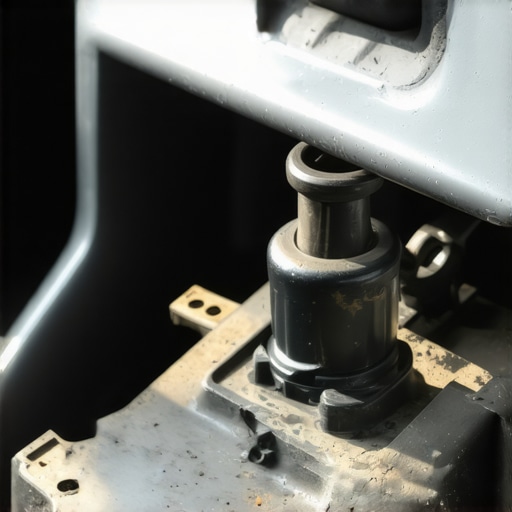
The Hidden Mechanical Resistance in Modern Automatic Linkages
The interface between a driver and the vehicle’s transmission is often taken for granted until the tactile feedback shifts from smooth to stubborn. While many modern vehicles utilize shift-by-wire systems, a vast majority of cars on the road still rely on mechanical linkages or cables to actuate gear changes. When that shifter feels ‘notchy’ or requires excessive force, it rarely indicates an internal planetary gear failure; instead, it signals a breakdown in the communication channel between the cabin and the gearbox. This resistance is a physical manifestation of mechanical friction, electronic gatekeeping, or structural misalignment that demands immediate auto repair attention before you find yourself stranded in a parking lot.
Professional diagnostics for this issue must account for the shift interlock system—a safety mechanism designed to prevent the car from shifting out of Park without the brake pedal depressed. If the signal from the brake switch is intermittent, the solenoid will not retract the locking pin, leading to that ‘stuck’ sensation. Interestingly, you can often cross-reference this failure by checking why your brake lights stay on when the car is off, as a faulty switch affects both systems simultaneously. This electronic sentinel is the first line of defense, but it is far from the only point of failure in a complex assembly.
Tiny Bushings That Cause Massive Shifting Headaches
Beneath the center console and at the transmission housing lie small elastomer bushings that secure the shift cable to the linkage. Over time, heat cycles and environmental exposure cause these plastic components to become brittle and disintegrate. When the bushing fails, the cable develops ‘play,’ which the driver perceives as a vague or notchy feeling. In extreme cases, the cable may detach entirely, leaving the shifter moving freely while the transmission remains in its last gear. If you find the movement feels loose rather than stuck, the 8 bushing that fixes a sloppy gear shifter is frequently the unsung hero of a successful DIY repair.
Does Temperature Change How Your Shift Cable Performs?
Environmental factors play a significant role in cable health. According to technical standards published by SAE International, the durability of shift cable assemblies is predicated on precise tolerances within the protective sheath. When the internal lining of the cable housing frays, moisture can enter and cause corrosion. In colder climates, this moisture freezes, effectively locking the cable in place. Conversely, extreme heat can cause the internal lubricant to dry out, increasing friction and creating that characteristic notchiness during a tune up or daily commute.
When Worn Engine Mounts Force Your Shifter Out of Alignment
The relationship between the engine’s position and the shifter is more delicate than most realize. The engine and transmission are held in place by mounts that dampen vibration. When these mounts fail, the entire drivetrain can sag or tilt several degrees. This shift in geometry puts undue tension on the shift cable, pulling it taut and making it difficult to move the lever through its gates. If the shifter moves fine while the engine is off but struggles when running, it is worth investigating how to tell if your transmission mount is snapped. Experienced professionals often provide mechanic tips for diagnosing common auto problems that prioritize checking these structural connections. If you have encountered a shifter that fights back, we encourage you to share your specific symptoms below to help other enthusiasts troubleshoot their drivetrain issues.
How Transmission Fluid Chemistry Mimics Mechanical Binding
While external linkages are the primary suspects when a shifter feels heavy, the internal hydraulic environment of the gearbox often masquerades as a physical blockage. When internal clutches or bands begin to disintegrate, the resulting metallic debris and friction material can clog the valve body, preventing the manual valve from sliding freely within its bore. This creates a feedback loop where the driver must apply excessive force to the lever just to overcome internal hydraulic resistance. If you notice your gear selection feels gummy or delayed, checking why your transmission fluid is turning black can provide immediate clues into the health of these internal components. High-performance auto repair diagnostics often involve pressure testing the ports to ensure the resistance isn’t a symptom of a failing pump or a seized solenoid pack that is physically fighting the manual lever’s position.
The Precision Geometry of a Bent Control Rod
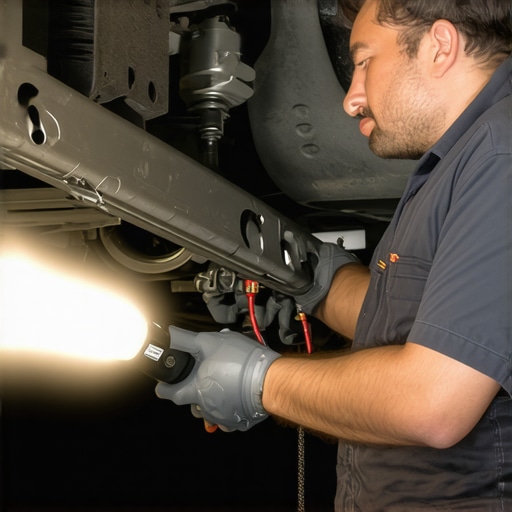
In vehicles that utilize solid metal rods instead of flexible cables, the alignment is far less forgiving. A minor impact from road debris or even an improperly placed floor jack during a brake service can slightly bend the shift rod. Because the rod must travel through a series of narrow guides and bushings, even a two-degree deviation from straightness will cause the assembly to bind against the chassis. This physical interference often manifests as a shifter that works perfectly in Neutral and Drive but becomes nearly impossible to move into Reverse or Park. Professional technicians often use a straightedge to verify the rod’s integrity, as even a microscopic bow can lead to 3 reasons your transmission wont shift into overdrive or other gear selection errors. Correcting this requires more than just lubrication; it demands a restoration of the original factory geometry to ensure the rod clears every heat shield and frame rail without contact.
Why Your Center Console Might Be the Real Culprit Behind Gear Resistance
It sounds rudimentary, but expert-level troubleshooting always begins with the closest interface to the driver. The shift gate inside the cabin is prone to collecting debris—coins, pens, or spilled sugary drinks—that eventually work their way down into the pivot mechanism. Over years of use, this debris mixes with factory grease to create a thick, abrasive paste that physically impedes the shifter’s arc. According to the Car Care Council, neglecting the cleanliness of the vehicle interior can lead to premature wear of mechanical interfaces, as contaminants act as a grinding compound on plastic pivot points. If your shifter feels crunchy rather than stiff, the solution is often a deep cleaning of the gate rather than a full tune up of the transmission system. Utilizing the 20 scanner that every modern driver should own can help you confirm that the electronic position sensor is still reading correctly while you address the physical obstruction.
The Electrical Phantom in the Shift Gate
Modern vehicles often integrate the shifter with the security system and the ECU via a complex series of microswitches. A failing relay or a corroded ground strap can cause the shift interlock solenoid to flutter or partially engage while you are trying to move the lever. This creates a ‘notchy’ sensation that feels mechanical but is actually the locking pin rapidly tapping against the shift gate. This phenomenon is frequently confused with a failing cable. If you suspect an electrical ghost is haunting your drivetrain, checking the 12 relay that mimics a blown starter motor can sometimes reveal shared circuit failures that affect the shift interlock. If you’ve ever managed to free a stuck shifter with a simple cleaning trick or a clever bypass, drop a comment below—your insight might save someone a massive tow bill and help our community of DIYers stay on the road.
Stop Blaming the Linkage When Synchronizers Wear Out
While external obstructions are frequent culprits, the physical resistance felt at the lever often originates from the internal dance of synchronizer rings. In manual or dual-clutch systems, these brass or carbon-lined components act as internal brakes, matching the speed of the gear to the input shaft before engagement. When the friction lining on a synchronizer ring thins, it can no longer effectively synchronize speeds, resulting in a ‘hard’ stop where the shifter physically refuses to enter the gate. This is not a failure of the auto repair of the linkage, but a fundamental breakdown of internal metallurgy. According to technical specifications from ZF Aftermarket, even a fraction of a millimeter of wear on the synchronizer cone can increase the required shift force by over 40%, creating a sensation that the shifter is hitting a literal brick wall.
How Do Worn Synchronizers Mimic a Stuck Shifter?
The diagnostic tell-tale for internal synchronizer wear is the ‘double-clutch’ test. If the shifter is stubborn while the vehicle is moving but slips into gear effortlessly when the engine is off or when you pump the clutch pedal twice, the issue is hydraulic or internal rather than a binding cable. This internal resistance often generates heat that further degrades the lubricating properties of your gear oil. If you find yourself fighting the lever specifically during downshifts, investigating the specific gear oil that saves manual gearboxes can often provide a temporary reprieve by restoring the necessary friction coefficient for the synchronizers to bite. However, ignoring the physical pushback from the transmission can lead to rounded ‘dog teeth’ on the gears, a far more expensive tune up than a simple fluid swap.
Fix the Slack in Your Shifter Cable Tension
Over tens of thousands of shift cycles, the braided steel core of a shift cable begins to stretch, a phenomenon known as mechanical creep. This microscopic elongation means that when you move the lever to the ‘Park’ or ‘First Gear’ position, the linkage at the transmission end isn’t quite reaching its intended detent. The ‘notchy’ feeling you experience is actually the transmission’s internal spring-loaded ‘rooster comb’ struggling to fall into the correct notch because the cable is holding it in a state of limbo. Most modern assemblies include a plastic tension adjuster—often a bright orange or blue clip—near the transmission bracket. Re-tensioning this system is a precision task that requires the shifter to be locked in a neutral ‘home’ position using a specialized pin or a drill bit of the correct diameter.
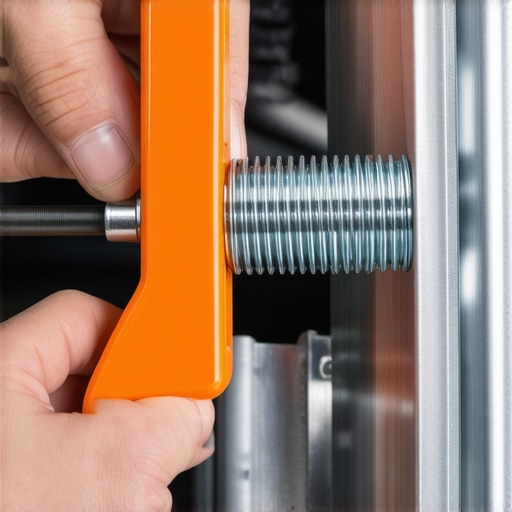
If you have recently performed a brake service or other major under-hood work, it is possible the cable housing was bumped out of its firewall grommet. This change in the cable’s arc introduces a new point of friction that mimics a seized cable. Professional technicians always look for ‘witness marks’—shiny spots on the black cable housing—that indicate it is rubbing against a heat shield or a coolant hose. If the cable has stretched beyond the limit of the factory adjuster, you may notice symptoms similar to how to tell if your transmission is slipping, as the gear position sensor may be reporting an ‘in-between’ state to the computer. Adjusting this tension is often the last step in a comprehensive drivetrain auto repair before considering component replacement. Have you checked your cable’s adjustment clip lately? A simple two-minute reset could be the difference between a smooth click and a frustrating shove.
The Vacuum Modulator Ghost in Older Drivetrains
For those maintaining classic or late-model vehicles with vacuum-modulated transmissions, the physical effort required to move the shifter can be influenced by engine vacuum levels. The modulator valve receives a vacuum signal from the intake manifold to determine shift points and line pressure. A ruptured diaphragm in this valve doesn’t just cause smoky exhaust; it can create erratic hydraulic pressure that makes the manual valve inside the transmission harder to slide. This creates a peculiar ‘heavy’ feeling in the shifter that varies with engine RPM. If the resistance seems to change depending on how hard you are stepping on the gas, the issue is likely atmospheric rather than mechanical. Testing the vacuum line for ATF contamination is a vital step in any tune up for these legacy systems, as a leaking modulator can literally suck transmission fluid into the combustion chamber, leading to a cascade of engine and transmission failures.
Bypass the Gearbox and Check the Pivot Pin Instead
When investigating a stubborn gear selector, even the most seasoned mechanic can overlook the fulcrum of the entire operation: the shifter pivot pin. Located deep within the center console assembly, this pin serves as the primary axis for every movement of the lever. Over years of operation, the factory-applied lithium grease undergoes a process called saponification, where it hardens into a waxy substance that traps microscopic metal shavings. This creates a high-friction environment that makes every gear engagement feel as though you are pushing the lever through wet cement. Unlike a failing cable which often feels ‘springy,’ a seized pivot pin provides a constant, uniform resistance that doesn’t dissipate once the vehicle warms up during a tune up or long drive.
Can a Corroded Neutral Safety Switch Actually Lock Your Lever?
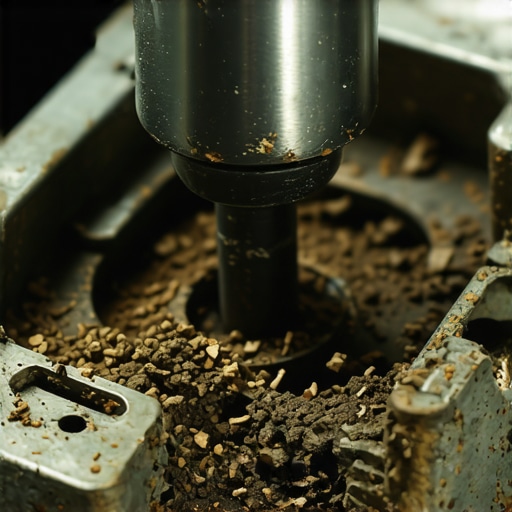
While often viewed purely as an electrical component, the Neutral Safety Switch (NSS) on many longitudinal transmissions acts as a mechanical gatekeeper. On certain classic and late-model rear-wheel-drive platforms, the NSS is mounted externally on the transmission housing and is physically rotated by the shift linkage. If road salt or moisture penetrates the switch housing, internal corrosion can cause the contacts to swell, physically impeding the rotation of the internal rotor. This creates a hard mechanical stop that prevents the driver from selecting ‘Park’ or ‘Low’ gears. Diagnosing this requires disconnecting the linkage from the switch; if the shifter suddenly moves freely, you have identified an electrical component causing a physical blockage—a nuance that separates amateur troubleshooting from professional auto repair expertise.
Why Collision History Dictates Modern Shifter Geometry
Precision in shifting is as much about the chassis as it is about the transmission. According to technical bulletins from ASE (National Institute for Automotive Service Excellence), even a minor subframe shift following a front-end impact can wreak havoc on gear selection. Because the shifter is mounted to the unibody and the transmission is mounted to the subframe, any deviation in the alignment of these two structures stretches or compresses the linkage beyond its engineered limits. You might notice the shifter feels perfect on a lift, but becomes notchy once the vehicle’s weight is on its wheels. This structural interference is frequently misdiagnosed as a failing internal synchronizer. If your vehicle has ever required a brake service involving the removal of the engine cradle, verifying the ‘zero-point’ alignment of the shifter should be your first priority to ensure long-term drivetrain health.
The High-Tech Struggle of Shift-by-Wire Calibration Errors
In the era of shift-by-wire, the ‘notchy’ sensation has transitioned from a mechanical grind to an electronic hesitation. Modern systems utilize haptic actuators and solenoid gates to simulate the feel of a traditional gearbox. However, if the Transmission Control Module (TCM) detects a slight discrepancy in fluid pressure or clutch pack thickness, it may intentionally delay the release of the electronic shift lock to protect the internal components. This creates a ‘stuck’ sensation that is actually a software-imposed safety margin. Advanced auto repair in these scenarios involves recalibrating the ‘shift-point adaptation’ values rather than turning a wrench. If you find your modern joystick-style shifter fighting your inputs, it may be a sign that the software is out of sync with the physical state of the gearbox. We want to hear from you—have you experienced a shifter that feels more like a computer glitch than a mechanical failure? Share your diagnostic journey in the comments below to help our community master these complex systems.
The Hidden Mechanical Resistance in Modern Automatic Linkages
The interface between a driver and the vehicle’s transmission is often taken for granted until the tactile feedback shifts from smooth to stubborn. While many modern vehicles utilize shift-by-wire systems, a vast majority of cars on the road still rely on mechanical linkages or cables to actuate gear changes. When that shifter feels ‘notchy’ or requires excessive force, it rarely indicates an internal planetary gear failure; instead, it signals a breakdown in the communication channel between the cabin and the gearbox. This resistance is a physical manifestation of mechanical friction, electronic gatekeeping, or structural misalignment that demands immediate auto repair attention before you find yourself stranded in a parking lot.
Professional diagnostics for this issue must account for the shift interlock system—a safety mechanism designed to prevent the car from shifting out of Park without the brake pedal depressed. If the signal from the brake switch is intermittent, the solenoid will not retract the locking pin, leading to that ‘stuck’ sensation. Interestingly, you can often cross-reference this failure by checking why your brake lights stay on when the car is off, as a faulty switch affects both systems simultaneously. This electronic sentinel is the first line of defense, but it is far from the only point of failure in a complex assembly.
Tiny Bushings That Cause Massive Shifting Headaches
Beneath the center console and at the transmission housing lie small elastomer bushings that secure the shift cable to the linkage. Over time, heat cycles and environmental exposure cause these plastic components to become brittle and disintegrate. When the bushing fails, the cable develops ‘play,’ which the driver perceives as a vague or notchy feeling. In extreme cases, the cable may detach entirely, leaving the shifter moving freely while the transmission remains in its last gear. If you find the movement feels loose rather than stuck, the 8 bushing that fixes a sloppy gear shifter is frequently the unsung hero of a successful DIY repair.
Does Temperature Change How Your Shift Cable Performs?
Environmental factors play a significant role in cable health. According to technical standards published by SAE International, the durability of shift cable assemblies is predicated on precise tolerances within the protective sheath. When the internal lining of the cable housing frays, moisture can enter and cause corrosion. In colder climates, this moisture freezes, effectively locking the cable in place. Conversely, extreme heat can cause the internal lubricant to dry out, increasing friction and creating that characteristic notchiness during a tune up or daily commute.
When Worn Engine Mounts Force Your Shifter Out of Alignment
The relationship between the engine’s position and the shifter is more delicate than most realize. The engine and transmission are held in place by mounts that dampen vibration. When these mounts fail, the entire drivetrain can sag or tilt several degrees. This shift in geometry puts undue tension on the shift cable, pulling it taut and making it difficult to move the lever through its gates. If the shifter moves fine while the engine is off but struggles when running, it is worth investigating how to tell if your transmission mount is snapped. Experienced professionals often provide mechanic tips for diagnosing common auto problems that prioritize checking these structural connections. If you have encountered a shifter that fights back, we encourage you to share your specific symptoms below to help other enthusiasts troubleshoot their drivetrain issues.
How Transmission Fluid Chemistry Mimics Mechanical Binding
While external linkages are the primary suspects when a shifter feels heavy, the internal hydraulic environment of the gearbox often masquerades as a physical blockage. When internal clutches or bands begin to disintegrate, the resulting metallic debris and friction material can clog the valve body, preventing the manual valve from sliding freely within its bore. This creates a feedback loop where the driver must apply excessive force to the lever just to overcome internal hydraulic resistance. If you notice your gear selection feels gummy or delayed, checking why your transmission fluid is turning black can provide immediate clues into the health of these internal components. High-performance auto repair diagnostics often involve pressure testing the ports to ensure the resistance isn’t a symptom of a failing pump or a seized solenoid pack that is physically fighting the manual lever’s position.
#IMAGE_PLACE_HOLDER_B#
The Precision Geometry of a Bent Control Rod
In vehicles that utilize solid metal rods instead of flexible cables, the alignment is far less forgiving. A minor impact from road debris or even an improperly placed floor jack during a brake service can slightly bend the shift rod. Because the rod must travel through a series of narrow guides and bushings, even a two-degree deviation from straightness will cause the assembly to bind against the chassis. This physical interference often manifests as a shifter that works perfectly in Neutral and Drive but becomes nearly impossible to move into Reverse or Park. Professional technicians often use a straightedge to verify the rod’s integrity, as even a microscopic bow can lead to 3 reasons your transmission wont shift into overdrive or other gear selection errors. Correcting this requires more than just lubrication; it demands a restoration of the original factory geometry to ensure the rod clears every heat shield and frame rail without contact.
Why Your Center Console Might Be the Real Culprit Behind Gear Resistance
It sounds rudimentary, but expert-level troubleshooting always begins with the closest interface to the driver. The shift gate inside the cabin is prone to collecting debris—coins, pens, or spilled sugary drinks—that eventually work their way down into the pivot mechanism. Over years of use, this debris mixes with factory grease to create a thick, abrasive paste that physically impedes the shifter’s arc. According to the Car Care Council, neglecting the cleanliness of the vehicle interior can lead to premature wear of mechanical interfaces, as contaminants act as a grinding compound on plastic pivot points. If your shifter feels crunchy rather than stiff, the solution is often a deep cleaning of the gate rather than a full tune up of the transmission system. Utilizing the 20 scanner that every modern driver should own can help you confirm that the electronic position sensor is still reading correctly while you address the physical obstruction.
The Electrical Phantom in the Shift Gate
Modern vehicles often integrate the shifter with the security system and the ECU via a complex series of microswitches. A failing relay or a corroded ground strap can cause the shift interlock solenoid to flutter or partially engage while you are trying to move the lever. This creates a ‘notchy’ sensation that feels mechanical but is actually the locking pin rapidly tapping against the shift gate. This phenomenon is frequently confused with a failing cable. If you suspect an electrical ghost is haunting your drivetrain, checking the 12 relay that mimics a blown starter motor can sometimes reveal shared circuit failures that affect the shift interlock. If you’ve ever managed to free a stuck shifter with a simple cleaning trick or a clever bypass, drop a comment below—your insight might save someone a massive tow bill and help our community of DIYers stay on the road.
Stop Blaming the Linkage When Synchronizers Wear Out
While external obstructions are frequent culprits, the physical resistance felt at the lever often originates from the internal dance of synchronizer rings. In manual or dual-clutch systems, these brass or carbon-lined components act as internal brakes, matching the speed of the gear to the input shaft before engagement. When the friction lining on a synchronizer ring thins, it can no longer effectively synchronize speeds, resulting in a ‘hard’ stop where the shifter physically refuses to enter the gate. This is not a failure of the auto repair of the linkage, but a fundamental breakdown of internal metallurgy. According to technical specifications from ZF Aftermarket, even a fraction of a millimeter of wear on the synchronizer cone can increase the required shift force by over 40%, creating a sensation that the shifter is hitting a literal brick wall.
How Do Worn Synchronizers Mimic a Stuck Shifter?
The diagnostic tell-tale for internal synchronizer wear is the ‘double-clutch’ test. If the shifter is stubborn while the vehicle is moving but slips into gear effortlessly when the engine is off or when you pump the clutch pedal twice, the issue is hydraulic or internal rather than a binding cable. This internal resistance often generates heat that further degrades the lubricating properties of your gear oil. If you find yourself fighting the lever specifically during downshifts, investigating the specific gear oil that saves manual gearboxes can often provide a temporary reprieve by restoring the necessary friction coefficient for the synchronizers to bite. However, ignoring the physical pushback from the transmission can lead to rounded ‘dog teeth’ on the gears, a far more expensive tune up than a simple fluid swap.
Fix the Slack in Your Shifter Cable Tension
Over tens of thousands of shift cycles, the braided steel core of a shift cable begins to stretch, a phenomenon known as mechanical creep. This microscopic elongation means that when you move the lever to the ‘Park’ or ‘First Gear’ position, the linkage at the transmission end isn’t quite reaching its intended detent. The ‘notchy’ feeling you experience is actually the transmission’s internal spring-loaded ‘rooster comb’ struggling to fall into the correct notch because the cable is holding it in a state of limbo. Most modern assemblies include a plastic tension adjuster—often a bright orange or blue clip—near the transmission bracket. Re-tensioning this system is a precision task that requires the shifter to be locked in a neutral ‘home’ position using a specialized pin or a drill bit of the correct diameter.
#IMAGE_PLACE_HOLDER_C#
If you have recently performed a brake service or other major under-hood work, it is possible the cable housing was bumped out of its firewall grommet. This change in the cable’s arc introduces a new point of friction that mimics a seized cable. Professional technicians always look for ‘witness marks’—shiny spots on the black cable housing—that indicate it is rubbing against a heat shield or a coolant hose. If the cable has stretched beyond the limit of the factory adjuster, you may notice symptoms similar to how to tell if your transmission is slipping, as the gear position sensor may be reporting an ‘in-between’ state to the computer. Adjusting this tension is often the last step in a comprehensive drivetrain auto repair before considering component replacement. Have you checked your cable’s adjustment clip lately? A simple two-minute reset could be the difference between a smooth click and a frustrating shove.
The Vacuum Modulator Ghost in Older Drivetrains
For those maintaining classic or late-model vehicles with vacuum-modulated transmissions, the physical effort required to move the shifter can be influenced by engine vacuum levels. The modulator valve receives a vacuum signal from the intake manifold to determine shift points and line pressure. A ruptured diaphragm in this valve doesn’t just cause smoky exhaust; it can create erratic hydraulic pressure that makes the manual valve inside the transmission harder to slide. This creates a peculiar ‘heavy’ feeling in the shifter that varies with engine RPM. If the resistance seems to change depending on how hard you are stepping on the gas, the issue is likely atmospheric rather than mechanical. Testing the vacuum line for ATF contamination is a vital step in any tune up for these legacy systems, as a leaking modulator can literally suck transmission fluid into the combustion chamber, leading to a cascade of engine and transmission failures.
Bypass the Gearbox and Check the Pivot Pin Instead
When investigating a stubborn gear selector, even the most seasoned mechanic can overlook the fulcrum of the entire operation: the shifter pivot pin. Located deep within the center console assembly, this pin serves as the primary axis for every movement of the lever. Over years of operation, the factory-applied lithium grease undergoes a process called saponification, where it hardens into a waxy substance that traps microscopic metal shavings. This creates a high-friction environment that makes every gear engagement feel as though you are pushing the lever through wet cement. Unlike a failing cable which often feels ‘springy,’ a seized pivot pin provides a constant, uniform resistance that doesn’t dissipate once the vehicle warms up during a tune up or long drive.
#IMAGE_PLACE_HOLDER_D#
Can a Corroded Neutral Safety Switch Actually Lock Your Lever?
While often viewed purely as an electrical component, the Neutral Safety Switch (NSS) on many longitudinal transmissions acts as a mechanical gatekeeper. On certain classic and late-model rear-wheel-drive platforms, the NSS is mounted externally on the transmission housing and is physically rotated by the shift linkage. If road salt or moisture penetrates the switch housing, internal corrosion can cause the contacts to swell, physically impeding the rotation of the internal rotor. This creates a hard mechanical stop that prevents the driver from selecting ‘Park’ or ‘Low’ gears. Diagnosing this requires disconnecting the linkage from the switch; if the shifter suddenly moves freely, you have identified an electrical component causing a physical blockage—a nuance that separates amateur troubleshooting from professional auto repair expertise.
Why Collision History Dictates Modern Shifter Geometry
Precision in shifting is as much about the chassis as it is about the transmission. According to technical bulletins from the ASE, even a minor subframe shift following a front-end impact can wreak havoc on gear selection. Because the shifter is mounted to the unibody and the transmission is mounted to the subframe, any deviation in the alignment of these two structures stretches or compresses the linkage beyond its engineered limits. You might notice the shifter feels perfect on a lift, but becomes notchy once the vehicle’s weight is on its wheels. This structural interference is frequently misdiagnosed as a failing internal synchronizer. If your vehicle has ever required a brake service involving the removal of the engine cradle, verifying the ‘zero-point’ alignment of the shifter should be your first priority to ensure long-term drivetrain health.
The High-Tech Struggle of Shift-by-Wire Calibration Errors
In the era of shift-by-wire, the ‘notchy’ sensation has transitioned from a mechanical grind to an electronic hesitation. Modern systems utilize haptic actuators and solenoid gates to simulate the feel of a traditional gearbox. However, if the Transmission Control Module (TCM) detects a slight discrepancy in fluid pressure or clutch pack thickness, it may intentionally delay the release of the electronic shift lock to protect the internal components. This creates a ‘stuck’ sensation that is actually a software-imposed safety margin. Advanced auto repair in these scenarios involves recalibrating the ‘shift-point adaptation’ values rather than turning a wrench. If you find your modern joystick-style shifter fighting your inputs, it may be a sign that the software is out of sync with the physical state of the gearbox. We want to hear from you—have you experienced a shifter that feels more like a computer glitch than a mechanical failure? Share your diagnostic journey in the comments below to help our community master these complex systems.
Expert Insights and Advanced Considerations
Check the Counterweight Before Tearing Down the Gearbox
Many transmission linkages, especially in manual front-wheel-drive setups, utilize a weighted arm to provide inertia during a shift. If the retaining bolt on this counterweight loosens, it creates an erratic physical barrier that mimics an internal gear failure. Always verify the stability of these weights as part of your mechanic tips for diagnosing common auto problems before authorizing expensive teardowns.
Heat Soak and the Braided Steel Reality
Proximity to the exhaust manifold can eventually ‘cook’ the internal Teflon lining of a shift cable. Once this liner melts or deforms, the cable may move smoothly while cold but become incredibly notchy after a long highway drive. This thermal expansion issue is a key reason why regular tune ups are key to car longevity, as inspecting heat shields can prevent cable failure.
Why Clutch Drag Mimics a Seized Linkage
If your hydraulic clutch system isn’t providing a full disengagement—even if the pedal feels normal—the input shaft remains under slight load. This residual torque makes selecting a gear feel ‘heavy’ or blocked. Utilizing tune up strategies to save money on auto repairs includes bleeding the clutch master cylinder before assuming the linkage itself has failed.
Curated Expert Resources
For those looking to deepen their technical mastery, we recommend the following authoritative sources: The SAE International Technical Library offers in-depth papers on shift cable durability and friction coefficients. ZF Aftermarket provides detailed service bulletins for modern synchronizer wear and fluid requirements. Additionally, the ASE (National Institute for Automotive Service Excellence) provides professional-grade diagnostic frameworks that are essential for any high-level auto repair professional or dedicated DIYer.
Final Expert Perspective
Mastering a stubborn gear selector requires moving beyond simple lubrication and looking at the vehicle as a unified mechanical system. From the geometry of engine mounts to the calibration of shift-by-wire software, every variable influences that final ‘click’ into gear. By applying auto repair cost saving tips from industry experts, you can often identify external linkage issues before they lead to internal transmission damage. We encourage you to share your own diagnostic breakthroughs in the comments—professional collaboration is the ultimate tool for keeping our community’s vehicles shifting smoothly for years to come.