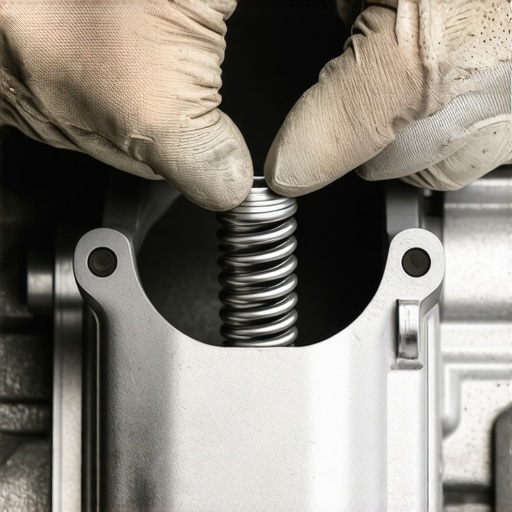
Small Parts, Massive Impact: The Hydraulic Truth Behind Harsh Shifting
In the realm of advanced diagnostics, professional technicians often encounter the phenomenon of diagnostic tunnel vision, where a complex symptom like a violent 1-2 shift is immediately attributed to total gearbox failure. However, a deep dive into hydraulic circuit logic reveals that the culprit is frequently a minor mechanical fatigue within the valve body. Specifically, the the $18 accumulator spring serves as a critical dampener in the hydraulic engagement process. When this spring fractures, the pressure rise during gear transitions is no longer modulated, leading to a metal-on-metal engagement feel that mimics catastrophic failure. Understanding this nuance is what separates a world-class mechanic from a simple parts-changer.
Can an $18 Spring Really Outperform a Full Transmission Overhaul?
The short answer is yes, provided the diagnostic path is correct. Accumulators are designed to absorb the initial shock of fluid pressure as it applies a clutch pack or band. According to technical papers from the Society of Automotive Engineers (SAE), hydraulic dampening is essential for the longevity of friction materials. If you ignore the signs of a broken spring, the resulting shock loads will eventually necessitate a full auto repair involving the replacement of scorched clutches. It is often worth investigating if your transmission slip is actually a minor electrical or mechanical issue before committing to a multi-thousand dollar rebuild.
Precision Maintenance Beats Reactive Overhauls
True vehicle longevity is built on the foundation of a comprehensive tune up strategy that looks beyond just oil and filters. This includes inspecting secondary systems that professionals often overlook. For instance, a vehicle undergoing a standard brake service should also have its hydraulic lines checked for micro-leaks that could affect overall pressure balance. When you address these small variables proactively, you significantly reduce the frequency of major shop visits. Modern vehicles operate as integrated ecosystems; a failure in one area, like a clogged PCV valve, can trigger sensors that indirectly affect how the transmission shifts by altering engine load signals.
High-Value Diagnostics for the Informed Owner
Why do some vehicles reach 300,000 miles while others fail at 80,000? The difference lies in the owner’s ability to identify specific mechanical stresses. Rather than just asking for a general inspection, request targeted checks such as verifying the integrity of the shifter bushings or the condition of the accumulator springs during a fluid service. This level of detail is a hallmark of tune up strategies that save money over the life of the vehicle. If you are experiencing strange vibrations or shifting patterns, take a moment to review our auto repair cost-saving tips from industry experts to ensure you aren’t overpaying for simple mechanical fixes.
Stop Chasing Ghost Problems in Your Electrical System
The phantom issues that plague modern drivetrains often stem from poor conductivity rather than mechanical wear. A seasoned expert knows that before condemning a starter or an alternator, one must verify the path of least resistance. Often, a $15 ground strap fix can resolve shifting hesitations or random sensor spikes that appear to be major component failures. This is especially true in salt-belt states where corrosion eats away at hidden chassis grounds. By employing a $10 multimeter trick, you can differentiate between a dying battery and a simple connectivity failure before you are stranded on the shoulder of the highway.

Could a Corroded Connection Be Tricking Your Transmission’s Brain?
Electronic Control Units (ECUs) rely on millivolt-level signals to determine shift timing and line pressure. When a ground is compromised, the ‘noise’ in the electrical circuit can cause the computer to misinterpret engine load, leading to erratic shifting patterns. The National Institute for Automotive Service Excellence (ASE) highlights that a significant percentage of modern diagnostic errors occur because technicians bypass foundational electrical checks in favor of reading generic error codes. Before you authorize a heavy-duty repair, it is critical to ensure your sensors are receiving clean, stable power. This prevents you from clearing codes that will inevitably return because the root cause—poor voltage—remains unaddressed.
Restore Stopping Power Without Swapping Rotors
When it comes to the braking system, the most common complaint from drivers is a persistent vibration during deceleration. Most shops will immediately suggest a full rotor replacement, but an expert perspective often reveals a different path. You can frequently stop your brakes from pulsing without buying new rotors by addressing uneven pad deposit buildup. This ‘warped’ sensation is rarely a bend in the metal; it is usually a layer of friction material transferred unevenly due to overheating. Understanding the chemistry of your components, such as why new brake pads squeak even if they were installed correctly, allows you to maintain peak performance without unnecessary overhead.
Why Your Fluid Color is a Window Into Your Safety
Hydraulic integrity is the lifeblood of your stopping distance. Over time, brake fluid absorbs moisture from the atmosphere, lowering its boiling point and causing internal corrosion. Consulting a brake fluid color chart is a simple yet vital diagnostic step for any owner. If your fluid has transitioned from honey-gold to a dark, murky tea color, it is no longer providing the protection your calipers need. Proactive flushing is the secret to quiet brakes that most shops ignore, as it prevents the seizing of slide pins and the degradation of rubber seals. If you have noticed a change in your pedal feel, take a moment to look at our guide on brake maintenance hacks to prevent costly failures. Have you ever been quoted for a full rebuild only to find out it was something much simpler? Share your experiences in the comments below or check our list of questions to ask your mechanic so we can keep the community informed.
Stop Your Radiator from Nuking Your Transmission
While most drivers associate the radiator solely with engine cooling, the reality for automatic vehicles is far more integrated. A significant portion of your transmission’s thermal management occurs within a dedicated heat exchanger submerged in the radiator’s cold tank. When this internal barrier fails—a phenomenon often called the ‘strawberry milkshake’ due to the pink, frothy mixture of coolant and ATF—the damage is instantaneous and systemic. The glycol in the coolant dissolves the water-based glues holding the friction material to your clutch discs. Before you find yourself facing a total rebuild, it is vital to inspect the fittings where these lines enter the radiator. A simple pressure test during your next tune up can reveal microscopic cracks in the internal cooler long before they catastrophically fail.
Can Frequent Short Trips Be More Damaging Than High Mileage?
This is a question that plagues urban drivers, and the mechanical answer is a definitive yes. When a vehicle is driven for only ten or fifteen minutes, the oil rarely reaches its optimal operating temperature. This prevents the evaporation of condensation and unburnt fuel that naturally seeps into the crankcase. Over time, these contaminants react to form sulfuric acid and sludge, which aggressively attack bearing surfaces. According to technical data from Machinery Lubrication, fluid oxidation rates accelerate dramatically when moisture is allowed to dwell in the system. To counter this, experts recommend at least one ‘thermal cycle’ per week—a drive long enough to keep the oil at full temperature for 20 minutes—to purge these harmful elements from your engine’s lifeblood.
The Hidden Cost of Extended Service Intervals
Modern marketing often touts 10,000-mile or even 15,000-mile oil change intervals as a selling point for new car buyers. However, seasoned mechanics see the aftermath of these ‘stretched’ schedules in the form of clogged variable valve timing (VVT) solenoids and seized oil control rings. The detergent package in even the highest-quality synthetic oil eventually depletes, leaving the metal surfaces vulnerable to carbon buildup. This is especially critical if you are trying to stop your engine from consuming oil. When these microscopic passages clog, your engine’s timing can drift, leading to a loss of power that many mistake for a failing sensor. Adopting a more conservative 5,000-mile interval is one of the most effective tune up strategies to save money by avoiding the massive labor costs associated with cleaning internal engine sludge.
Why Your Transmission Filter is the Last Line of Defense
Most ‘sealed-for-life’ transmissions actually have a serviceable filter hidden behind the pan. Ignoring this component is a gamble that rarely pays off for the long-term owner. As the internal clutches wear, they shed fine metallic dust that the filter must trap to prevent it from reaching the delicate solenoid valves. If you have noticed a slight lag when shifting into ‘Drive’ or ‘Reverse’ on cold mornings, it may be a sign that the filter is partially restricted, slowing the flow of viscous fluid. This is exactly why we suggest checking for minor mechanical issues before assuming the worst. Which maintenance habit do you swear by to keep your high-mileage vehicle on the road? Join the conversation in the comments below or see our guide on questions to ask your mechanic to stay ahead of the curve.
Don’t Blame the Gears for Your Chassis Shudder
Sometimes a vibration felt through the floorboards isn’t the transmission slipping or the engine misfiring; it is a breakdown in driveline harmonics. When control arm bushings or motor mounts degrade, they lose their ability to isolate the powertrain’s natural frequencies from the cabin. This creates a rhythmic shudder that occurs at specific speeds, often leading owners to believe their torque converter is failing. Professionals use a Reed Tachometer or an NVH (Noise, Vibration, Harshness) analyzer to pin down these frequencies. Before you sign off on a gearbox replacement, ensure your mechanic inspects the subframe connectors and the integrity of the CV joints. A small amount of play in a constant velocity joint can telegraph massive vibrations through the steering rack, making a minor mechanical wear feel like a terminal diagnosis.
Does Your Direct Injection Engine Require a Special Intake Cleaning?
Unlike older port-injection systems that sprayed fuel onto the back of the intake valves—effectively cleaning them with every stroke—modern Direct Injection (GDI) engines spray fuel directly into the combustion chamber. This leaves the intake valves dry and vulnerable to carbon ‘coking’ from the PCV system. Over time, these stony deposits restrict airflow and disrupt the air-fuel swirl, causing erratic idling and power loss that no bottle of fuel tank additive can fix. According to technical bulletins from the Car Care Council, neglecting manual walnut blasting or chemical intake cleaning on GDI engines can lead to catastrophic valve seat failure. If you have noticed a drop in fuel economy or a ‘lazy’ throttle response, it is time to look beyond the spark plugs and evaluate the carbon footprint inside your intake runners.
Stop Modern Engines from Starving for Air
The complexity of modern variable valve timing (VVT) means your engine is constantly adjusting its breathing based on load and temperature. This system relies on the precise flow of oil through tiny screens. If these screens become blocked by microscopic debris—often the result of those aforementioned extended oil change intervals—your VVT solenoids will struggle to advance or retard timing. This creates a ‘flat spot’ in acceleration that feels remarkably like a failing fuel pump. A proactive technician will pull these solenoids to inspect the screens before recommending a full engine teardown. By maintaining a clean oil supply and replacing your air filter before it becomes a wall of dust, you ensure the VVT system can breathe and adjust as designed, keeping your performance sharp and your auto repair bills low.
Modern Cooling Systems Demand More Than Just Water
Today’s vehicles utilize MAP-controlled thermostats that are electronically managed by the ECU to maintain specific temperature windows for efficiency. This means your thermostat can fail internally without ever showing a traditional ‘overheating’ needle on the dash. Instead, it might stay just a few degrees too cool, preventing the engine from entering ‘closed-loop’ fuel management. This small discrepancy causes the engine to run rich, washing the cylinder walls with fuel and diluting your oil. Expert maintenance involves monitoring live data streams to ensure your operating temperature matches the ECU’s commanded target. Taking these precision steps is what truly defines a high-level technical tune up in the age of computerized thermal management. What’s the strangest ‘ghost’ vibration you’ve ever experienced? We want to hear how you finally tracked down the source—share your story in the comments below or browse our archive of tune up strategies to save money to keep your ride running like new.
Expert Insights & Advanced Considerations
Fluid Shearing Sabotages Even the Best Solenoids
When you neglect your fluid service, you aren’t just letting it get dirty; you are allowing the viscosity to break down under high shear stress. This means your solenoids lose the hydraulic cushion required for precise engagement. Always ask your mechanic to check the fluid’s molecular integrity rather than just its color. High-quality synthetics are better, but even they have limits. Using cheap synthetic oil might be killing your variable valve timing by clogging those micro-screens we discussed earlier.
Grounding Issues Mimic Modern Transmission Failure
Electrical resistance is the enemy of a smooth-shifting car. A 15 dollar ground strap fix can often restore a car that feels like it needs a new gearbox. If the ECU doesn’t have a clean reference voltage, its adaptive learning will try to compensate for ‘ghost’ signals, leading to the harsh shifts often blamed on hardware. Always perform a voltage drop test during a comprehensive tune up before authorizing a rebuild.
Stop Blaming Warped Rotors for Your Brake Pulse
The sensation of a pulsating pedal is rarely the rotor bending. It is almost always cementite formation or uneven pad deposits. You can stop your brakes from pulsing without buying new rotors by properly bedding in your pads and keeping your slide pins lubricated. If you skip this, even the most expensive brake service will fail to provide long-term results.
Your 10,000-Mile Oil Interval is a Maintenance Trap
While manufacturers push long service windows to lower the ‘total cost of ownership’ in marketing materials, the physical reality of oil oxidation remains unchanged. Following a more frequent schedule is one of the most effective tune up tips to boost your car’s performance and prevent internal sludge. If you value your engine’s VVT system, 5,000 miles is the gold standard for protection.
#IMAGE_PLACEHOLDER_E#
Curated Expert Resources
SAE International Technical Papers provide the pinnacle of automotive engineering data for those who want to understand the physics of fluid dynamics and friction materials. ASE Study Guides are essential for understanding the diagnostic logic that a top-rated mechanic uses to isolate complex electrical faults. Machinery Lubrication Magazine offers a deep dive into the chemistry of oil and why certain additives can actually harm modern seal materials. The Car Care Council is excellent for tracking how preventative auto repair trends are shifting with the rise of GDI and hybrid drivetrains.
Final Expert Perspective
Mastering your vehicle’s health requires shifting your mindset from reactive fixing to proactive system management. Whether it’s replacing a simple 9 dollar PCV valve to prevent oil consumption or learning brake service secrets that keep your stopping power consistent, the power lies in the details. A successful tune up isn’t just a checkbox; it is a diagnostic deep dive. What advanced maintenance trick has saved your vehicle from a major shop visit? We invite you to share your technical wins in the comments below or contact our experts to help refine your own diagnostic strategy.