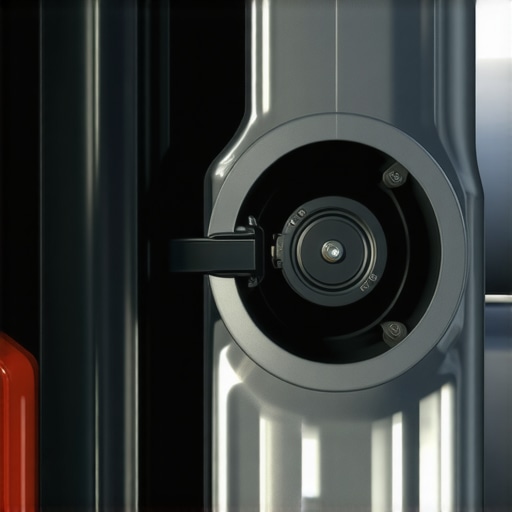
How a Faulty Seal Mimics Catastrophic Engine Failures
Modern On-Board Diagnostics (OBD-II) are highly sophisticated, yet they remain vulnerable to simple physical failures. Automotive technicians frequently encounter vehicles towed into diagnostic bays for an illuminated check engine light, only to discover that the culprit is a compromised fuel filler cap. When the rubber gasket on a gas cap degrades or tears, the Evaporative Emission Control (EVAP) system loses its ability to perform pressure and vacuum decay tests. This pressure loss is interpreted by the engine control unit (ECU) as a fuel system leak, prompting a diagnostic trouble code (DTC) such as P0455 or P0457.
Drivers often panic, fearing expensive transmission issues or internal engine damage. This panic highlights the critical need for a reliable auto repair diagnostic process. Unscrupulous operators might leverage this anxiety to recommend unnecessary repairs, emphasizing the value of learning how to spot a fake mechanic near me before authorizing major teardowns. A simple, inexpensive physical inspection can save hundreds of dollars in diagnostic fees.
The EVAP System Mechanics Behind the False Alert
The EVAP system is designed to trap and purge harmful fuel vapors before they escape into the atmosphere. The system relies on absolute sealing from the fuel tank up to the intake manifold. During a standard diagnostic cycle, the ECU closes the canister vent valve and opens the purge valve, creating a vacuum within the fuel tank. If the system fails to hold this vacuum over a specified timeframe, the sensor registers a leak.
According to research published by the Society of Automotive Engineers (SAE), evaporative leaks are among the most common causes of illuminated malfunction indicator lights globally. While a compromised gas cap is the most frequent low-cost failure point, identical codes can also be triggered by a faulty purge valve or damaged vacuum lines. This diagnostic overlap makes it crucial to approach vehicle maintenance methodically, combining regular tune up schedules with targeted sensor diagnostics.
Why Does Your Check Engine Light Keep Coming Back After You Clear It?
If you have recently replaced your fuel cap or tightened it, yet the warning light persists, the ECU likely hasn’t completed its drive cycle monitors. Simply erasing the code with a basic scanner only clears the current alert; the vehicle must undergo specific driving conditions—including sustained highway speeds followed by deceleration—for the computer to re-verify the seal. If there is a deeper issue, such as a cracked charcoal canister or a compromised filler neck, the light will return. Drivers facing persistent issues should study why your check engine light keeps coming back after you clear it to understand how modern computers track emission failures.
Avoid Diagnostic Pitfalls by Seeking Qualified Professionals
A false warning light might seem minor, but ignoring it can mask actual, severe engine misfires or emission system failures that occur later. When seeking professional assistance, finding a technician who understands system diagnostics rather than mere component-swapping is essential. Choosing a highly qualified mechanic ensures that simple issues are resolved cost-effectively while preventing minor codes from escalating into major expenses. To expand your knowledge of automotive diagnostics and ensure your vehicle is treated with the highest industry standards, read our guide on how a top-rated mechanic ensures safe auto repairs.
Step-by-Step DIY Troubleshooting for Evaporative Leak Codes
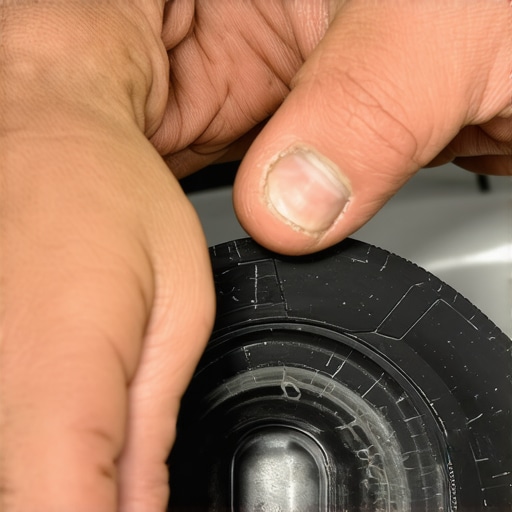
Before you commit to professional diagnostics, you can perform a rapid physical assessment of your fuel system’s integrity. Begin by removing the gas cap entirely and inspecting the black rubber O-ring running along the perimeter of the threads. Over time, heat cycles and exposure to gasoline vapors cause this rubber to dry out, crack, or develop micro-tears. If the seal appears dry or slightly flattened but undamaged, cleaning it with a clean microfiber cloth and applying a thin layer of silicone grease can occasionally restore its sealing properties temporarily.
Next, inspect the metal filler neck on your vehicle where the cap threads in. Rust build-up or dirt accumulation on this mating surface prevents the rubber gasket from making airtight contact, leading to persistent EVAP trouble codes. Cleaning this lip with fine steel wool can resolve the issue immediately. If the cap threads feel loose or fail to click firmly into place, the internal ratcheting mechanism is likely broken. In such cases, replacing it with an OEM-spec cap is highly recommended, as cheap aftermarket alternatives often trigger the exact same code due to poor manufacturing tolerances.
How Can You Confirm a Pinhold EVAP Leak Without an Expensive Smoke Machine?
Professional shops rely on dedicated smoke machines to pressurize the fuel system and pinpoint escaping vapors, but home mechanics can use a simple alternative method. By pressurizing the system slightly or using a soapy water solution sprayed over suspected areas like the filler neck and purge solenoid connections, you can watch for bubbling. If you suspect an intake manifold or vacuum system issue is contributing to your rough idle alongside the EVAP code, you can learn how to find an intake leak using only a 5-bottle of soapy water to diagnose vacuum-related issues at home without specialized tools.
The Financial Realities of Misdiagnosed EVAP Codes
Failing to understand the simplicity of EVAP diagnostics often results in vehicle owners paying for costly and unnecessary component replacements. Unscrupulous shops might claim that a P0456 code requires a brand-new fuel pump, fuel lines, or a complete charcoal canister system, billing you for hours of high-rate labor. This classic overcharge scenario is why keeping a critical eye on repair estimates is essential for your wallet. To protect your finances, be sure to review our expert breakdown on the 7 warning signs your mechanic is overcharging to help you identify when a shop is inflating diagnostic or repair times.
According to data compiled by the Car Care Council, neglecting basic emission components like gas caps, filters, and hoses not only triggers warning lights but can actively reduce your vehicle’s fuel economy by allowing raw fuel vapors to escape continuously into the atmosphere. Regularly inspecting these small components during your seasonal vehicle walkarounds prevents minor evaporative issues from turning into rejected state emissions inspections.
The Critical Link Between Engine Vacuum and EVAP Integrity
Your vehicle’s engine relies on a carefully balanced internal vacuum environment to operate efficiently. When an EVAP valve or a physical seal like the gas cap fails, it can subtly alter the air-to-fuel ratio depending on how the purge valve commands flow. If you are tracking down frustrating performance issues that seem to occur alongside your check engine light, such as a rough idle or stumbling while stopped, you may actually be dealing with an air bypass problem. We recommend checking out our diagnostic guide on the 5-air leak making your car idle like its about to die to see how tiny vacuum failures mimic major engine damage.
Have you recently dealt with a stubborn check engine light that turned out to be a simple fix? Let us know in the comments below, or share this guide with a friend who is currently staring at a glowing dashboard light!
How Vacuum Pressure Fluctuations Degrade Engine Efficiency
Modern internal combustion engines operate within highly restricted parameters where atmospheric management dictates performance. When a leak occurs within the Evaporative Emission Control (EVAP) loop, the fuel system pressure sensor reports unstable readings back to the powertrain control module (PCM). This can throw off the long-term fuel trim (LTFT) values, forcing the engine to run slightly rich or lean to compensate for unmetered air entering the combustion chamber during purge cycles. Over time, these constantly shifting fuel trims can lead to spark plug fouling, accelerated catalytic converter degradation, and a noticeable loss in throttle response during cold starts.
Why Do Some EVAP Leak Codes Trigger a False Transmission Slipping Sensation?
When the PCM detects erratic vacuum pressure due to a faulty purge valve or compromised gas cap seal, it may alter the engine load calculations. Because modern automatic transmissions rely heavily on engine load data from the mass airflow (MAF) and manifold absolute pressure (MAP) sensors to regulate line pressure, an incorrect load calculation can result in harsh shifts, delayed gear engagement, or a sensation that mimics clutch slipping. Technicians referencing the National Institute for Automotive Service Excellence (ASE) training guidelines warn against diagnosing transmission physical failures before verifying that the engine’s vacuum and EVAP integrity are fully restored.
Advanced Bench Testing of Purge and Vent Solenoids
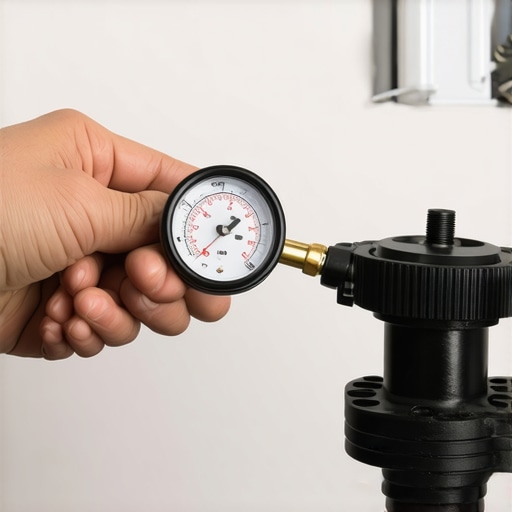
If replacing the fuel cap fails to clear the P0456 or P0455 codes, a systematic bench test of the vacuum solenoids is required. Mechanics utilize a hand-held vacuum pump combined with a 12-volt power source to manually actuate the canister purge valve. A functional valve must hold a steady vacuum when de-energized, immediately releasing it when 12 volts are applied to the terminals. If the internal diaphragm has suffered thermal breakdown, the valve will slowly leak air even in its closed position. This continuous bypass allows fuel vapors to flow unrestricted from the charcoal canister into the intake manifold, creating a rich air-fuel mixture that causes hard starting immediately after refueling at the gas pump.
Modern internal combustion engines operate within highly restricted parameters where atmospheric management dictates performance. When a leak occurs within the Evaporative Emission Control (EVAP) loop, the fuel system pressure sensor reports unstable readings back to the powertrain control module (PCM). This can throw off the long-term fuel trim (LTFT) values, forcing the engine to run slightly rich or lean to compensate for unmetered air entering the combustion chamber during purge cycles. Over time, these constantly shifting fuel trims can lead to spark plug fouling, accelerated catalytic converter degradation, and a noticeable loss in throttle response during cold starts.
Why Do Some EVAP Leak Codes Trigger a False Transmission Slipping Sensation?
When the PCM detects erratic vacuum pressure due to a faulty purge valve or compromised gas cap seal, it may alter the engine load calculations. Because modern automatic transmissions rely heavily on engine load data from the mass airflow (MAF) and manifold absolute pressure (MAP) sensors to regulate line pressure, an incorrect load calculation can result in harsh shifts, delayed gear engagement, or a sensation that mimics clutch slipping. Technicians referencing the National Institute for Automotive Service Excellence (ASE) training guidelines warn against diagnosing transmission physical failures before verifying that the engine’s vacuum and EVAP integrity are fully restored.
Advanced Bench Testing of Purge and Vent Solenoids
If replacing the fuel cap fails to clear the P0456 or P0455 codes, a systematic bench test of the vacuum solenoids is required. Mechanics utilize a hand-held vacuum pump combined with a 12-volt power source to manually actuate the canister purge valve. A functional valve must hold a steady vacuum when de-energized, immediately releasing it when 12 volts are applied to the terminals. If the internal diaphragm has suffered thermal breakdown, the valve will slowly leak air even in its closed position. This continuous bypass allows fuel vapors to flow unrestricted from the charcoal canister into the intake manifold, creating a rich air-fuel mixture that causes hard starting immediately after refueling at the gas pump.
Stop Throwing Money at Parts and Pinpoint the True Leak Instead
Many vehicle owners spend hundreds of dollars replacing random sensors when a methodical smoke-generation test or a simple vacuum isolation diagnostic could target the exact failure point. High-end digital smoke machines utilize a specialized vaporizing oil compound designed not to degrade the internal charcoal lining of your EVAP canister. By introducing this dense, low-pressure smoke into the EVAP test port, a technician can easily spot minute wisps escaping from micro-cracks in the plastic filler neck housing or dry-rotted vacuum lines running near the hot exhaust manifold.
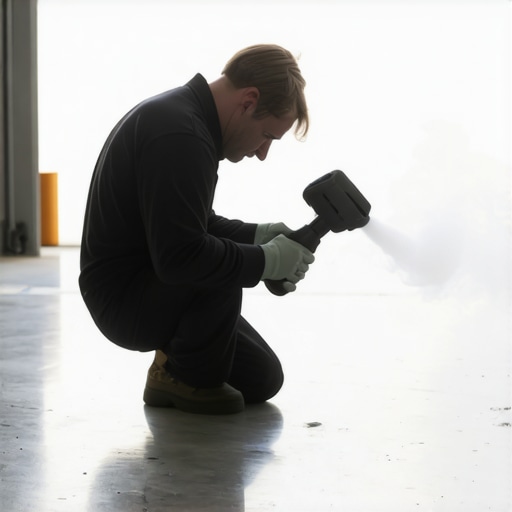
Before authorizing an expensive charcoal canister replacement, make sure your technician has performed a true isolation test. If you are ready to tackle your vehicle’s maintenance head-on or want to ensure you are not paying for unnecessary components, check out our comprehensive diagnostic guides and empower yourself against common mechanical misdiagnoses.
Expert Insights & Advanced Considerations
Unmetered Air Can Disguise Itself as Transmission Wear
When an EVAP purge valve leaks internally, it introduces fuel vapors and unmetered air directly into the intake tract. This disrupts the air-to-fuel ratio and skews engine load calculations. Because automatic transmissions rely on load calculations to govern fluid pressures, this tiny atmospheric imbalance can trigger harsh shifting or gear hunting. Before authorizing expensive internal transmission work, look into the 15-sensor that stops your transmission from hunting for gears to rule out simple electronic or vacuum control failures first.
Why Solenoid Cycle Frequency Matters During Warm-Up
Modern powertrain control modules do not just open or close the purge valves; they duty-cycle them at varying pulse-width modulation frequencies. Testing a solenoid with a static 12-volt bench test is a helpful start, but it fails to replicate the high-frequency thermal stresses of a long highway drive. An intermittent code often indicates a valve coil that is failing under load. If you are experiencing unstable idle conditions alongside these code cycles, check out the 5-air leak making your car idle like its about to die to identify where physical engine vacuum lines break down.
The Hidden Risk of Overfilling Your Fuel Tank
Repeatedly “topping off” your gas tank past the initial automatic click of the pump nozzle forces liquid fuel directly into your vehicle’s charcoal canister. The EVAP system is engineered to manage vapors alone; introducing raw liquid fuel degrades the internal charcoal element, sending fine black carbon debris through vacuum lines. This debris can block purge solenoids open and lead to complex diagnostic trouble codes that look like major internal failures. Making routine tune up inspections a habit helps you catch these compromised lines before they ruin your engine’s overall performance.
Curated Expert Resources
For those looking to expand their diagnostic capabilities, we recommend studying the training materials provided by the National Institute for Automotive Service Excellence (ASE). Their professional repair standards offer deeply detailed insights into complex engine performance and electrical system diagnostics.
We also suggest utilizing the online technical databases from the Society of Automotive Engineers (SAE). Their engineering papers explain the precise atmospheric thresholds and diagnostic parameters used by car manufacturers to calibrate modern OBD-II EVAP systems.
Finally, refer to the Car Care Council database. This resource provides vehicle owners with real-world failure rate statistics, helpful maintenance intervals, and cost-effective strategies to keep your emissions systems running smoothly.
Final Expert Perspective
Chasing diagnostic trouble codes without a systematic plan often leads to wasted money on unneeded parts. An illuminated warning light is simply a starting point; verifying the seal of your fuel filler cap and checking the health of your vacuum lines should always be your very first steps. If you suspect an engine issue is larger than a simple EVAP code, reading our guide on mechanic tips diagnosing common auto problems will help you pinpoint the issue. To learn more about selecting a reliable repair professional who respects your time and your budget, explore our guide on how to choose a skilled mechanic you can trust. What is the trickiest warning light issue you have ever had to troubleshoot? Leave a comment below or send us your questions so we can help keep your vehicle running efficiently!