
Why High-Load Scenarios Trigger Sulfur Emission
The pungent aroma of sulfur, frequently described as rotten eggs, during aggressive acceleration is a significant diagnostic indicator of a chemical imbalance within your vehicle’s powertrain. This phenomenon occurs when hydrogen sulfide—a byproduct of gasoline containing sulfur—is not properly oxidized into sulfur dioxide by the catalytic converter. When you press the gas pedal, the engine demands a richer fuel mixture, and if the emission control system is compromised, these raw gases bypass the filtration process. Identifying the root cause requires a systematic approach, as it often involves the intersection of fuel delivery, ignition timing, and exhaust chemistry.
Does a Failing Catalytic Converter Always Mean Replacement?
While the immediate suspicion falls on the exhaust system, a rotten egg smell isn’t always a death sentence for your hardware. In many instances, the converter is simply being overwhelmed by an upstream issue. For example, a failing fuel pressure regulator or a leaking injector can cause the engine to run ‘rich,’ dumping excess unburned fuel into the exhaust. Over time, this saturates the precious metals inside the converter, leading to the characteristic odor. Before committing to expensive hardware, it is prudent to consult mechanic tips for diagnosing common auto problems to ensure you aren’t treating a symptom rather than the disease. According to the U.S. Environmental Protection Agency (EPA), catalytic converters are highly durable but are extremely sensitive to engine malfunctions like misfires.
Stop the Smell Before the Converter Melts
Ignoring this scent during acceleration can lead to a catastrophic ‘melt-down’ of the honeycomb structure inside your exhaust system, resulting in severe backpressure and power loss. A professional tune up is often the first line of defense. By ensuring that spark plugs are gapping correctly and that the air-fuel ratio is stoichiometric, you reduce the chemical load on the converter. Professionals often use an infrared thermometer to check for temperature differentials across the converter; a significantly hotter outlet than inlet suggests the unit is working overtime to burn off excess fuel. If you suspect a blockage, you should learn how to tell if your catalytic converter is actually clogged before the car enters a limp-mode state.
Secondary Culprits Beyond the Exhaust Path
In rarer cases, the sulfur smell may not be coming from the tailpipe at all. An overcharging alternator can boil the battery’s electrolyte solution, releasing hydrogen sulfide gas that the HVAC system pulls into the cabin. This is particularly noticeable during acceleration when the alternator output peaks. Furthermore, old transmission fluid that has lost its thermal stability can emit a similar, though slightly more acrid, scent. Engaging in proactive auto repair cost-saving tips involves checking all fluid levels and battery voltages when these mystery odors arise. If you have noticed other strange scents, such as a sweet or burnt smell, check out these 3 exhaust smells that reveal engine trouble to broaden your diagnostic perspective and protect your vehicle’s longevity.
Don’t Blame the Hardware When the Fuel is the Flaw
Many drivers overlook the simplest variable in the chemical equation of their exhaust: the fuel itself. High sulfur content in low-quality gasoline is a primary driver of that persistent rotten egg smell. When you use off-brand fuels that lack robust detergent packages, you risk overwhelming the catalytic converter with excessive impurities. This is particularly prevalent in regions where fuel regulations are less stringent. According to research conducted by AAA, engines using non-Top Tier gasoline were found to have significantly more internal deposits, which directly affects combustion efficiency. If you notice the smell accompanied by a metallic rattling under load, you might be seeing the effects of poor octane stability. You can learn more about why your engine pings when using cheap gas and how it contributes to premature emission system wear. In some cases, switching to a high-quality fuel or using an fuel treatment that actually works can clear out these deposits before they permanently glaze the catalytic surfaces.
Could a Lazy Oxygen Sensor Be Lying to Your ECU?
The Engine Control Unit (ECU) relies on precise data from oxygen sensors to maintain the perfect balance of air and fuel. However, an O2 sensor doesn’t always fail outright with a dashboard light; it can become ‘lazy,’ responding slowly to changes in exhaust flow. This lag causes the engine to oscillate between lean and rich conditions, often dumping too much fuel during acceleration and creating that sulfurous output. Replacing a sensor that fixes your rough idle is often the missing link in resolving an odor issue. A lazy sensor fails to signal the ECU to trim fuel quickly enough, forcing the converter to work beyond its design capacity. Have you experienced a mystery smell that only appears on cold mornings? Drop a comment below and let us know if a sensor swap or a fuel change finally did the trick for your vehicle.

Verify Your Electrical Grounds Before Replacing Sensors
Before you spend hundreds on new exhaust components, you must rule out electrical interference. Modern vehicles are essentially computers on wheels, and a weak ground connection can cause sensors to send ‘noisy’ or inaccurate data to the ECU. If the ground strap for the engine block or the battery is corroded, the reference voltage for your emission sensors fluctuates, potentially leading to a rich-run condition that smells like sulfur. It is a common diagnostic trap to replace the converter when the real issue is a ground wire that fixes stalling issues and sensor inaccuracies. Using a multi-meter test for your charging system can reveal if your alternator is spiking, which not only affects the sensors but can also cause the battery to off-gas a similar sulfur scent. You should always check this ground connection first to ensure your diagnostic path is based on solid electrical integrity. Addressing these ‘ghost’ electrical issues can save you from the high costs of unnecessary catalytic converter replacement while restoring your car’s responsiveness.
Stop Guessing and Start Testing Exhaust Backpressure
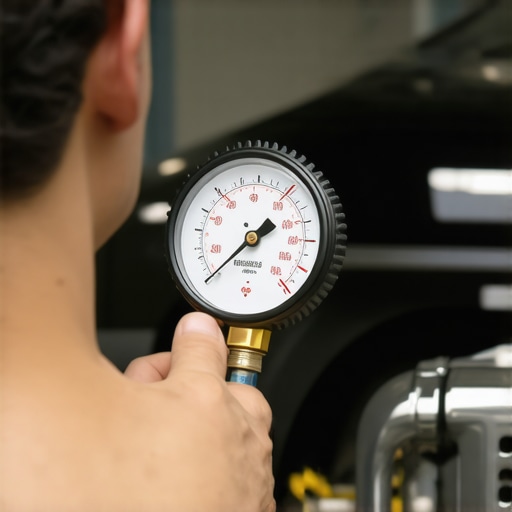
When the rotten egg smell persists despite fuel changes and electrical checks, you must move from visual inspection to mechanical verification. A restricted catalytic converter doesn’t just smell; it creates a literal bottleneck for your engine’s breathing. To diagnose this with precision, technicians often perform a backpressure test by removing the upstream oxygen sensor and installing a low-pressure gauge in its place. At idle, the pressure should be nearly zero; however, if you see anything exceeding 1.5 PSI at 2,500 RPM, the internal ceramic honeycomb has likely begun to collapse or melt. This physical obstruction forces exhaust gases back into the combustion chamber, diluting the fresh air-fuel mixture and exacerbating the rich condition that created the sulfur odor in the first place.
Why does my car smell like eggs only when climbing hills?
This specific symptom points toward a ‘thermal threshold’ issue within your emission system. Climbing a hill puts the engine under a sustained high-load state, which significantly increases exhaust gas temperatures. If your air-fuel ratio is even slightly off, the catalytic converter reaches temperatures where it starts to over-process the sulfur compounds in your fuel. This is often a sign of a ‘lean misfire’ or a slightly clogged fuel filter that can’t keep up with the high-demand flow, causing the ECU to struggle with fuel trimming. If you’ve noticed a lack of power on inclines, it is worth checking if a fuel filter clog is the silent culprit behind your smelly exhaust.
Clean the Intake to Save Your Catalytic Converter
Modern Gasoline Direct Injection (GDI) engines are particularly prone to a hidden cause of sulfur emissions: carbon buildup on the intake valves. Unlike older port-injection systems, fuel never washes over these valves, allowing oil vapors and carbon to bake into hard deposits. These deposits disrupt the ‘tumble’ of air entering the cylinder, leading to incomplete combustion and a localized rich environment. According to research published by SAE International, intake valve deposits can significantly increase particulate matter and unburned hydrocarbon emissions, which directly overloads the catalytic converter. Using a high-quality intake valve cleaner can restore the airflow dynamics needed for a clean, odor-free burn.
The Role of the EGR System in Exhaust Chemistry
The Exhaust Gas Recirculation (EGR) valve is designed to lower combustion temperatures to reduce Nitrogen Oxide (NOx) emissions, but a sticking EGR valve can inadvertently cause a sulfurous stench. If the valve fails to close properly during acceleration, too much inert gas enters the cylinder, causing a weak spark and leaving unburned sulfur compounds to head straight for the tailpipe. Identifying a faulty EGR often requires a digital scan tool to monitor commanded versus actual valve position. Have you ever experienced a sudden stumble followed by a waft of rotten eggs while merging onto the highway? This is a classic indicator of an EGR valve that is failing to seat correctly under load. We’d love to hear your diagnostic stories—share your experience in the comments below to help other drivers narrow down their own mystery smells.
Fix Your PCV Valve to Stop Foul Exhaust Gases
While most enthusiasts point toward the catalytic converter as the primary culprit, the Positive Crankcase Ventilation (PCV) system is frequently an overlooked catalyst for sulfurous emissions. When a PCV valve sticks or becomes restricted, it allows oil-rich blow-by gases to re-enter the intake manifold in uncontrolled volumes. This extra dose of hydrocarbons alters the combustion chemistry, creating a rich spike that the catalytic converter struggles to neutralize during the transition to open-loop fueling. Under the strain of acceleration, this imbalance manifests as that unmistakable rotten egg scent. A simple replacement of a five-dollar valve can often alleviate the chemical stress on your entire exhaust stream.
Check for Cracks in the Exhaust Manifold Before Buying a Converter
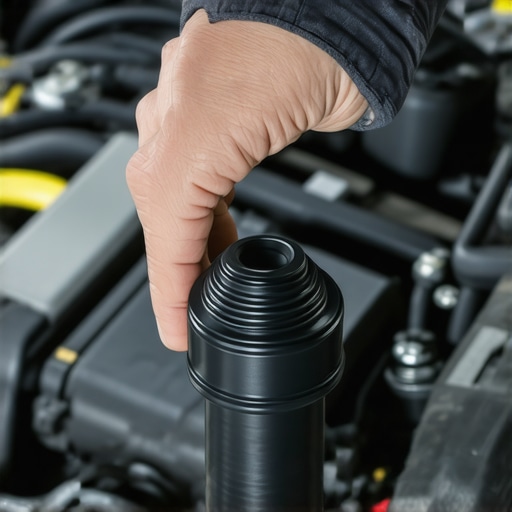
A hairline fracture in the exhaust manifold can wreak havoc on your vehicle’s air-fuel management without necessarily causing a loud ticking sound. These false lean conditions occur when fresh air is sucked into the exhaust stream through a crack during the pulses between engine cycles. The upstream oxygen sensor detects this excess oxygen and tells the ECU to dump more fuel into the cylinders. This creates a genuine rich condition further down the line where the catalytic converter resides. According to technical bulletins from Delphi Technologies, even a microscopic leak upstream of the sensor can lead to a 10-15% increase in fuel delivery, which rapidly saturates the converter and generates sulfur gas. Before condemning your hardware, use a smoke machine or soapy water to verify the integrity of the manifold and its gaskets.
Does your car smell like sulfur only after a cold start?
If the odor is most pungent immediately after ignition and fades as the engine reaches operating temperature, the issue is likely rooted in the secondary air injection system or the warm-up enrichment cycle. Modern vehicles are programmed to run rich during the first few minutes to help the catalytic converter reach its light-off temperature faster. However, if the secondary air pump is failing to provide enough oxygen to assist this burn-off, the excess sulfur in the fuel remains unreacted. This specific timing helps differentiate between a failing converter and a peripheral component that only operates during the initial thermal expansion phase. If you’ve encountered this, checking for secondary air pump codes should be your next priority.
High-Mileage Oil Additives and the Sulfur Connection
The lubricants you choose can also play a subtle role in the aromatic profile of your exhaust. High-mileage engine oils often contain higher concentrations of friction modifiers and seal swellers, some of which utilize sulfur-based compounds. If your engine is consuming oil—even in small amounts—these additives are burned in the combustion chamber and sent through the exhaust. When these specialized compounds hit a hot catalytic converter, they can produce a more acrid, sulfurous smell than standard fuel alone. This is particularly noticeable in engines with high cylinder pressures or turbochargers where oil mist is more likely to bypass the rings. Swapping to a low-SAPS (Sulfated Ash, Phosphorus, and Sulfur) synthetic oil can sometimes provide an immediate reduction in tailpipe odors while protecting your expensive emission components from poisoning. Have you recently switched oil brands and noticed a change in your car’s scent? Share your findings in the comments so we can track how different lubricants affect modern emission systems.
Expert Insights & Advanced Considerations
Don’t Ignore the Catalyst’s Thermal Memory
A catalytic converter that has been subjected to repeated sulfur-rich events develops what technicians call ‘thermal memory.’ Even after the upstream fuel issue is resolved, the ceramic structure may have microscopic fractures that decrease its efficiency during future high-load events. Monitoring the temperature delta between the inlet and outlet remains the gold standard for verifying if the unit has survived these chemical spikes. Utilizing mechanic tips for diagnosing common auto problems can help you differentiate between a permanent hardware failure and a temporary chemical imbalance.
Fuel Trim Data Tells the True Story
Modern diagnostic tools allow you to look past the dashboard lights. If your Long-Term Fuel Trim (LTFT) is consistently positive by more than 10%, the engine is fighting a lean condition, which often precedes the ‘rotten egg’ odor as the ECU overcompensates. Before you assume the exhaust is the culprit, check the real reason your check engine light keeps coming back on to see if a hidden vacuum leak is the root cause. Precision tuning requires looking at the digital data, not just the physical symptoms.
Evaluate the Impact of Internal Engine Sludge
Heavy carbon and sludge deposits can disrupt oil flow to variable valve timing (VVT) solenoids, leading to improper valve overlap and incomplete combustion. This inefficiency often dumps unburned sulfur compounds into the exhaust stream. When considering aggressive cleaning, you should evaluate the truth about engine flushes to determine if a chemical cleaning is safer than a mechanical teardown for your specific mileage. #IMAGE_PLACEHOLDER_E#
Curated Expert Resources
SAE International Technical Papers: Accessing peer-reviewed data on catalyst light-off temperatures and sulfur poisoning is essential for any professional-grade diagnostic workflow.
AAA Proprietary Fuel Research: Their deep dives into Top Tier gasoline benefits provide the empirical evidence needed to justify the cost of premium fuel to skeptical vehicle owners.
EPA Emissions Compliance Guides: These documents outline the legal and chemical thresholds for vehicle emissions, offering a baseline for what ‘normal’ exhaust output should look like.
Final Expert Perspective
Resolving a persistent rotten egg smell requires more than just replacing parts; it demands a holistic understanding of the vehicle’s chemical and electrical ecosystem. From the quality of the fuel in the tank to the integrity of a small ground wire, every component plays a role in preventing sulfur emissions. By applying advanced tune-up strategies to save money on auto repairs, you can systematically eliminate variables and restore your car’s efficiency. Knowing how to choose a skilled mechanic you can trust is the final piece of the puzzle if the diagnostic path leads into complex backpressure testing. Have you successfully diagnosed a sulfur smell that wasn’t the catalytic converter? We invite you to share your technical findings in the comments below to help our community of enthusiasts master their own machine’s health.